How to Ask 'How Are You' in Russian: Everyday Conversational Alternatives 🗣️
Learn natural alternatives to 'Как дела?' in Russian, including essential phrases like 'Как жизнь?' and 'Что нового?' to sound more like a native speaker.
Ready to move beyond the basic “Как дела?” in your daily Russian conversations? This lesson explores natural, everyday alternatives like “Как жизнь?” (How’s life?) and “Что нового?” (What’s new?) through a casual dialogue between Ivan and Anya. You’ll also learn how to respond naturally, share minor life updates, and propose catching up over a cup of coffee.
💬 Video Transcript
Иван: Привет, Аня!
(Ivan: Hi, Anya!)
Аня: Привет, Иван!
(Anya: Hi, Ivan!)
Иван: Как дела, Аня?
(Ivan: How are you, Anya?)
Аня: Спасибо, отлично! А как твои дела?
(Anya: Thanks, excellent! And how are things with you?)
Иван: Все хорошо. Спасибо. Аня, у меня есть вопрос.
(Ivan: Everything is good. Thanks. Anya, I have a question.)
Аня: Какой вопрос, Иван?
(Anya: What question, Ivan?)
Иван: Я всегда говорю: “Как дела?”. Это очень скучно. Как еще можно спросить?
(Ivan: I always say: “How are you?”. It is very boring. How else can one ask?)
Аня: Это хороший вопрос! Можно сказать: “Как жизнь?”.
(Anya: That is a good question! You can say: “How’s life?”.)
Иван: “Как жизнь?”.
(Ivan: “How’s life?”.)
Аня: Да. Жизнь. “Как жизнь?”.
(Anya: Yes. Life. “How’s life?”.)
Иван: Хорошо. Как жизнь, Аня?
(Ivan: Okay. How’s life, Anya?)
Аня: Спасибо, отлично! Все хорошо. А как твоя жизнь, Иван?
(Anya: Thanks, excellent! Everything is good. And how is your life, Ivan?)
Иван: Моя жизнь тоже отлично. Я запомнил первую фразу: “Как жизнь?”.
(Ivan: My life is also excellent. I remembered the first phrase: “How’s life?”.)
Аня: Молодец, Иван. Еще можно сказать: “Что нового?”.
(Anya: Well done, Ivan. You can also say: “What’s new?”.)
Иван: “Что нового?”.
(Ivan: “What’s new?”.)
Аня: Да. Что нового у тебя?
(Anya: Yes. What is new with you?)
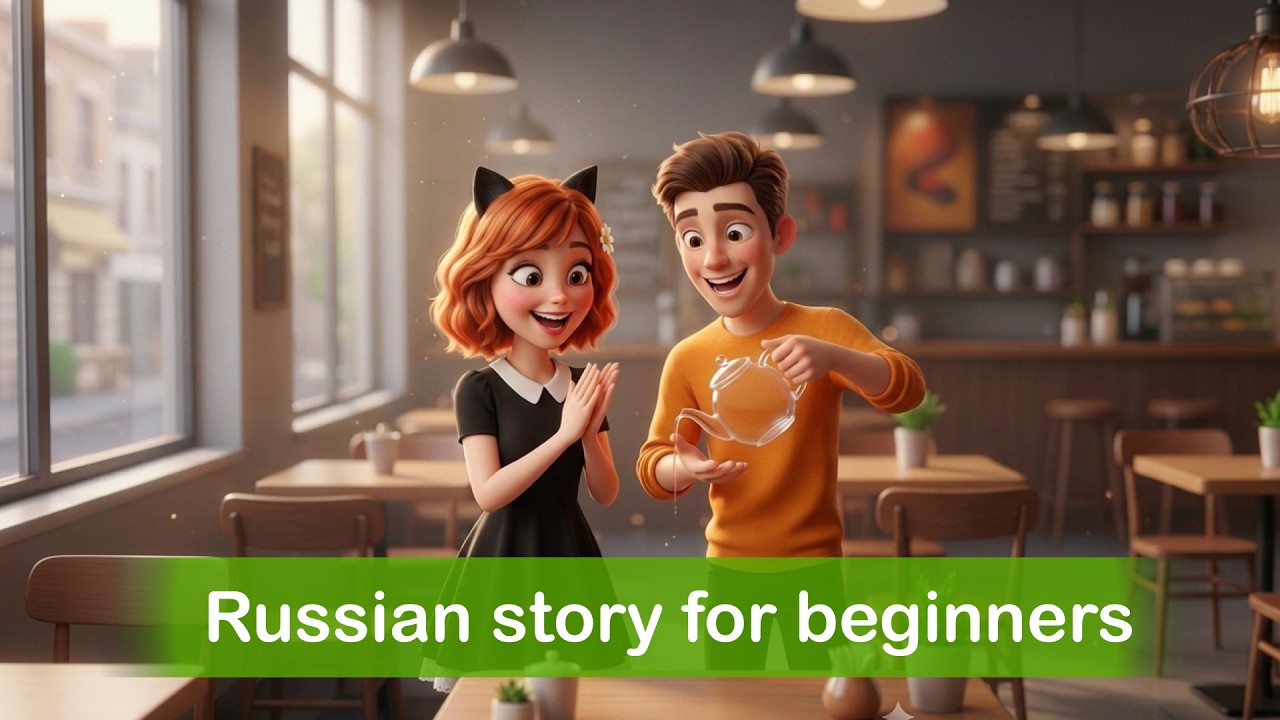
Иван: У меня новая рубашка. Смотри! Оранжевая рубашка.
(Ivan: I have a new shirt. Look! An orange shirt.)
Аня: Очень красивая рубашка.
(Anya: A very beautiful shirt.)
Иван: Спасибо. А у тебя, Аня? Что нового?
(Ivan: Thank you. And with you, Anya? What’s new?)
Аня: Ничего нового. Все стабильно.
(Anya: Nothing new. Everything is stable.)
Иван: Понятно. Значит: “Как дела?”, “Как жизнь?”, “Что нового?”.
(Ivan: Understood. So: “How are you?”, “How’s life?”, “What’s new?”.)
Аня: Правильно. И есть еще одна фраза: “Как успехи?”.
(Anya: Correct. And there is one more phrase: “How is your progress?”.)
Иван: “Как успехи?”.
(Ivan: “How is your progress?”.)
Аня: Да. Успехи на работе. Успехи в школе. Как успехи?
(Anya: Yes. Progress at work. Progress at school. How is your progress?)
Иван: Понятно. Аня, как твои успехи?
(Ivan: Understood. Anya, how is your progress?)
Аня: Отлично! Я читаю новую интересную книгу. А как твои успехи, Иван?
(Anya: Excellent! I am reading a new interesting book. And how is your progress, Ivan?)
Иван: Мои успехи тоже отлично. Я изучаю новые слова!
(Ivan: My progress is also excellent. I am studying new words!)
Аня: Ты молодец. Давай повторим все фразы.
(Anya: You are doing great. Let’s repeat all the phrases.)
Иван: Давай. Номер один: Как дела?
(Ivan: Let’s do it. Number one: How are you?)
Аня: Правильно. Номер два?
(Anya: Correct. Number two?)
Иван: Как жизнь?
(Ivan: How’s life?)
Аня: Отлично. Номер три?
(Anya: Excellent. Number three?)
Иван: Что нового?
(Ivan: What’s new?)
Аня: Очень хорошо. И номер четыре?
(Anya: Very good. And number four?)
Иван: Как успехи?
(Ivan: How is your progress?)
Аня: Браво, Иван! Теперь ты знаешь много новых фраз.
(Anya: Bravo, Ivan! Now you know many new phrases.)
Иван: Да! Теперь я говорю красиво.
(Ivan: Yes! Now I speak beautifully.)
Аня: Это точно. А теперь, Иван… Как твои дела сейчас?
(Anya: That is for sure. And now, Ivan… How are you right now?)
Иван: Сейчас все супер! Я хочу пить кофе. Идем в кафе?
(Ivan: Right now everything is super! I want to drink coffee. Shall we go to a cafe?)
Аня: Идем! Отличная идея.
(Anya: Let’s go! Great idea.)
📝 Essential Vocabulary
| Target Language | English Translation | Pronunciation |
|---|---|---|
| Скучно | Boring | |
| Жизнь | Life | |
| Что нового? | What’s new? | |
| Рубашка | Shirt | |
| Стабильно | Stable | |
| Успехи | Successes / Progress | |
| Запомнил | Remembered (masculine) | |
| Идея | Idea |
🔍 Grammar Focus
Expressing “I Have” with У + Genitive
In Russian, the most common way to say “I have” or “Someone has” is by using the preposition у followed by the person in the Genitive case, plus the word есть (is/exists) and the object in the Nominative case. Often, when emphasizing an adjective or a specific state, есть is omitted.
- У меня есть вопрос. (I have a question.)
- У меня новая рубашка. (I have a new shirt. — Notice “есть” is omitted because the focus is on the shirt being “new”.)
- Что нового у тебя? (What is new with you?)
Matching Possessive Pronouns
Russian possessive pronouns like “your” (твой) and “my” (мой) must change their endings to match the gender and number of the noun they belong to.
- Как твои дела? (How are your things? — дела is plural, so we use твои)
- Как твоя жизнь? (How is your life? — жизнь is feminine singular, so we use твоя)
- Мои успехи тоже отлично. (My successes are also excellent. — успехи is plural, so we use мои)
🌍 Cultural Tip
🃏 Flip & Learn
How's life?
Как жизнь?
What's new?
Что нового?
How is your progress? / How are your successes?
Как успехи?
Nothing new. Everything is stable.
Ничего нового. Все стабильно.
Shall we go to a cafe?
Идем в кафе?
💡 Key Takeaways
- Move beyond “Как дела?”: Expand your vocabulary with natural phrases like Как жизнь? (How’s life?) and Что нового? (What’s new?).
- Ask about progress: Use Как успехи? when you want to know about someone’s specific achievements at work, school, or in their hobbies.
- Neutral responses are normal: Answering with Ничего нового (Nothing new) or Все стабильно (Everything is stable) is a perfectly polite and common response in Russian culture.
- Possession with У: Remember that to say “I have” or “You have”, Russian relies on the У меня… and У тебя… structures rather than a direct translation of the verb “to have”.
🎯 Practice Quiz
Question
Question
Question
✍️ Fill in the Blanks
Let’s test your spelling and memory! Fill in the missing words below. Use correct spelling.
Fill in the blank
Fill in the blank
Support Us
Did you find this lesson helpful? Your support is what makes it possible for us to keep creating free, high-quality educational content.