Anya's First Bike Ride: A Beginner Russian Dialogue
Learn essential Russian vocabulary for encouragement, instructions, and activities like riding a bike in this fun dialogue for A1 learners.
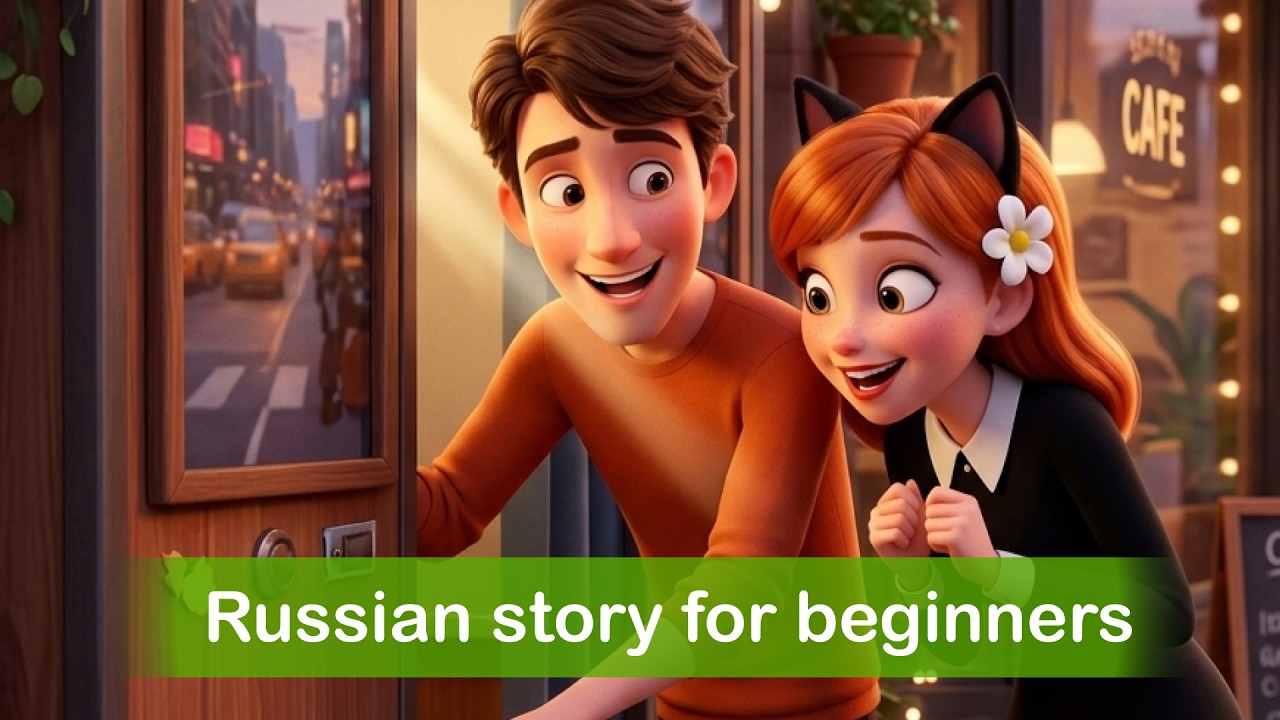
In this A1-level Russian dialogue, you’ll join Anya as she learns to ride a bicycle for the first time with her friend Ivan’s help. This lesson is perfect for beginners, focusing on essential vocabulary for encouragement, giving simple instructions, and expressing feelings like fear and excitement.
📝 Essential Vocabulary
Here are some key words and phrases from the video. Listen and repeat to practice your pronunciation.
| Target Language | English Translation | Pronunciation |
|---|---|---|
| Велосипед | Bicycle | |
| Кататься на велосипеде | To ride a bicycle | |
| Ты умеешь…? | Do you know how to…? | |
| Трудно | Difficult | |
| Легко | Easy | |
| Руль | Handlebars | |
| Педали | Pedals | |
| Крутить педали | To turn the pedals | |
| Бояться / Не бойся | To be afraid / Don’t be afraid | |
| Держать | To hold | |
| Молодец! | Well done! / Good job! | |
| Весело | Fun |
💬 Video Transcript
Иван: Привет, Аня! Какой хороший день!
(Ivan: Hi, Anya! What a nice day!)
Аня: Привет, Иван! Да, очень хороший день. Солнце светит.
(Anya: Hi, Ivan! Yes, a very nice day. The sun is shining.)
Иван: Аня, смотри! Это мой новый велосипед.
(Ivan: Anya, look! This is my new bicycle.)
Аня: Ого! Какой красивый велосипед! Он синий.
(Anya: Wow! What a beautiful bicycle! It’s blue.)
Иван: Да, он синий. Мой любимый цвет. Ты умеешь кататься на велосипеде?
(Ivan: Yes, it’s blue. My favorite color. Do you know how to ride a bicycle?)
Аня: Нет, я не умею. Я думаю, это очень трудно.
(Anya: No, I don’t know how. I think it’s very difficult.)
Иван: Нет, это не трудно. Это легко! Я могу тебя научить.
(Ivan: No, it’s not difficult. It’s easy! I can teach you.)
Аня: Ты можешь меня научить? Правда?
(Anya: You can teach me? Really?)
Иван: Конечно! Я хороший учитель. Смотри. Это руль.
(Ivan: Of course! I’m a good teacher. Look. These are the handlebars.)
Аня: Руль. Понятно. А это?
(Anya: Handlebars. Understood. And this?)
Иван: Это педали. Ты крутишь педали, и велосипед едет.
(Ivan: These are the pedals. You turn the pedals, and the bicycle goes.)
Аня: Педали. Хорошо. Но я боюсь. Я думаю, я упаду.
(Anya: Pedals. Okay. But I’m afraid. I think I will fall.)
Иван: Не бойся. Я здесь. Я помогаю. Садись.
(Ivan: Don’t be afraid. I’m here. I’m helping. Get on.)
Аня: Хорошо. Я сажусь. Ой! Велосипед… он падает!
(Anya: Okay. I’m getting on. Oh! The bicycle… it’s falling!)
Иван: Нет, нет! Я держу. Я держу велосипед. Всё хорошо.
(Ivan: No, no! I’m holding it. I’m holding the bicycle. Everything is fine.)
Аня: Спасибо, Иван. Так, что я делаю сейчас?
(Anya: Thanks, Ivan. So, what do I do now?)
Иван: Сейчас крути педали. Очень-очень медленно.
(Ivan: Now, turn the pedals. Very, very slowly.)
Аня: Хорошо. Я кручу педали. Медленно… медленно…
(Anya: Okay. I’m turning the pedals. Slowly… slowly…)
Иван: Да! Молодец! Велосипед едет! Я всё ещё держу.
(Ivan: Yes! Well done! The bicycle is moving! I’m still holding on.)
Аня: Он правда едет! Это так странно! И немного страшно.
(Anya: It’s really moving! This is so strange! And a little scary.)
Иван: Всё хорошо. Теперь ещё раз. Крути педали. Медленно.
(Ivan: It’s all good. Now one more time. Turn the pedals. Slowly.)
Аня: Хорошо. Я пробую ещё раз. Я кручу… Ой, ой, ой!
(Anya: Okay. I’m trying again. I’m turning… Oh, oh, oh!)
Иван: Спокойно. Я здесь. Я помогаю. Ты молодец, Аня!
(Ivan: Calm down. I’m here. I’m helping. You’re doing great, Anya!)
Аня: Иван, может, это плохая идея? Может, пойдём пить кофе?
(Anya: Ivan, maybe this is a bad idea? Maybe we should go get coffee?)
Иван: Нет! Ты можешь! Ещё один раз. Только один раз. Я верю в тебя!
(Ivan: No! You can do it! One more time. Just one more time. I believe in you!)
Аня: Ладно. Последний раз. Я сажусь. Я держу руль.
(Anya: Alright. Last time. I’m getting on. I’m holding the handlebars.)
Иван: Да. А я держу велосипед. Готова?
(Ivan: Yes. And I’m holding the bicycle. Ready?)
Аня: Я готова. Я кручу педали…
(Anya: I’m ready. I’m turning the pedals…)
Иван: Молодец! Ещё, ещё…
(Ivan: Well done! More, more…)
Аня: Иван… ты держишь?
(Anya: Ivan… are you holding on?)
Иван: Смотри, Аня! Ты едешь сама!
(Ivan: Look, Anya! You’re riding by yourself!)
Аня: Что?! Я еду? Я еду сама! Смотри! Я еду на велосипеде!
(Anya: What?! I’m riding? I’m riding by myself! Look! I’m riding a bicycle!)
Иван: Да! Аня, ты молодец! Ты едешь очень хорошо!
(Ivan: Yes! Anya, you’re doing great! You’re riding very well!)
Аня: Ура! Я еду! Иван, спасибо! Это не трудно! Это очень весело!
(Anya: Hooray! I’m riding! Ivan, thank you! It’s not difficult! It’s very fun!)
Иван: Я же говорил! Ты очень хорошая ученица.
(Ivan: I told you! You’re a very good student.)
Аня: Спасибо, учитель Иван! А теперь… теперь пойдём пить сок?
(Anya: Thank you, teacher Ivan! And now… now shall we go get juice?)
Иван: Да! Отличная идея! Ты заслужила.
(Ivan: Yes! Excellent idea! You’ve earned it.)
🔍 Grammar Focus
Let’s look at two key grammar points from this dialogue that are essential for A1 learners.
1. Expressing Ability with “Уметь” (To Know How To)
The verb уметь (umet’) is used to talk about skills or abilities—things you know how to do. In the dialogue, Ivan asks Anya:
- Ты умеешь кататься на велосипеде? (Do you know how to ride a bicycle?)
Anya replies:
- Нет, я не умею. (No, I don’t know how.)
Notice that уметь is followed by an infinitive verb (a verb in its basic form, like кататься - to ride). This is the standard structure: уметь + infinitive verb.
Here’s a simple conjugation for “I” and “you”:
- Я умею - I know how
- Ты умеешь - You (informal) know how
2. Giving Simple Commands (Imperative Mood)
Ivan gives Anya many instructions to help her learn. These commands are in the “imperative mood.” For many verbs, you form the informal ‘you’ (ты) command by taking the ’they’ (они) form of the verb, removing the ending, and adding -и or -й.
Let’s look at examples from the script:
- Смотри! (Look!) - from смотреть (to look)
- Садись! (Sit down! / Get on!) - from садиться (to sit down)
- Крути педали! (Turn the pedals!) - from крутить (to turn/spin)
For negative commands, you simply add не (not) before the verb, as Ivan does to reassure Anya:
- Не бойся. (Don’t be afraid.) - from бояться (to be afraid)
🃏 Interactive Flashcards
Review the key vocabulary and phrases from the lesson with these flashcards.
To ride a bicycle
Кататься на велосипеде
Don't be afraid.
Не бойся.
Well done! / Good job!
Молодец!
It's not difficult! It's very fun!
Это не трудно! Это очень весело!
💡 Key Takeaways
Here are the most important points to remember from this lesson:
- Use the verb уметь + an infinitive to talk about skills you have (e.g.,
Я умею кататься на велосипеде). - Essential vocabulary for a bicycle includes велосипед (bicycle), руль (handlebars), and педали (pedals).
- To give simple, informal commands, use the imperative form of verbs like смотри (look!), крути (turn!), and садись (get on!).
- Encourage others with positive phrases like Молодец! (Well done!) and Я верю в тебя! (I believe in you!).
- You can contrast difficulty using the adverbs трудно (difficult) and легко (easy).
🎯 Practice Quiz
Test your understanding of the dialogue and vocabulary with these questions.
Question
Question
Question
Support Us
Did you find this lesson helpful? Your support is what makes it possible for us to keep creating free, high-quality educational content.