Talking About What’s in Your Bag in Korean: Beginner Dialogue & Essential Vocabulary 🎒
Learn basic Korean conversation by listening to a fun dialogue about what's in a bag. Master essential vocabulary like 'book', 'pen', 'apple', and the grammar for 'to have' (있어요).
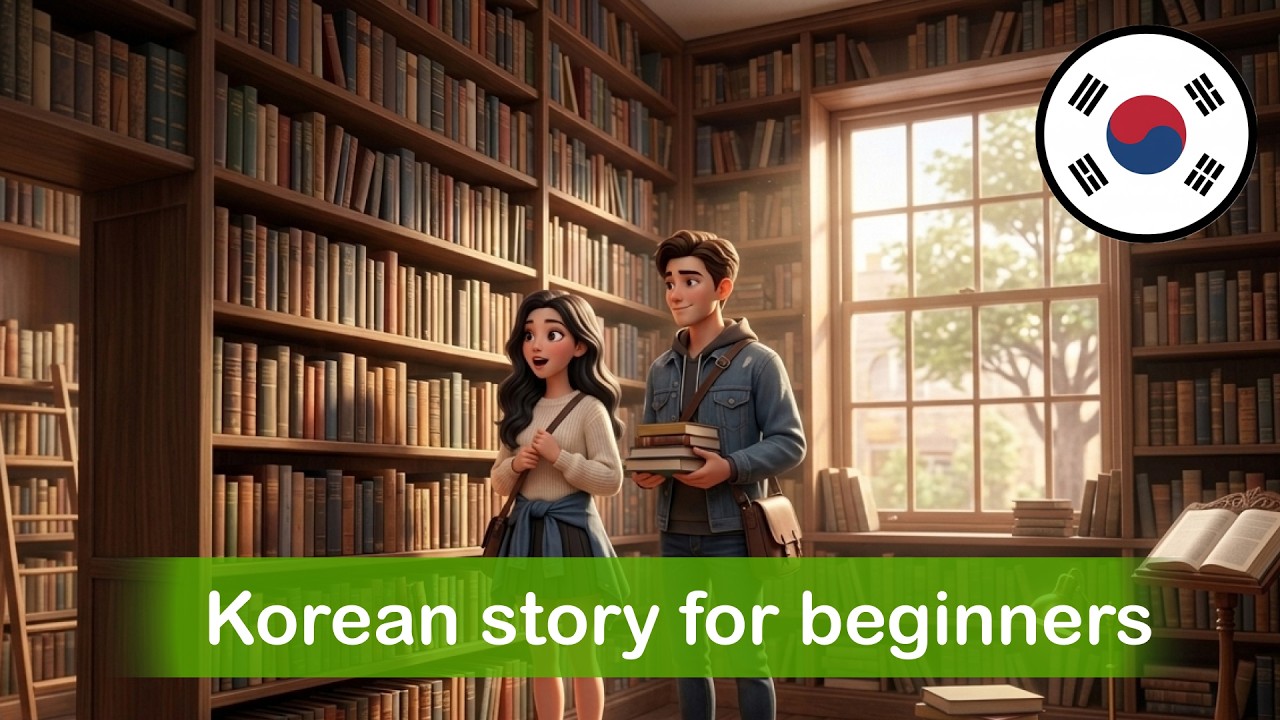
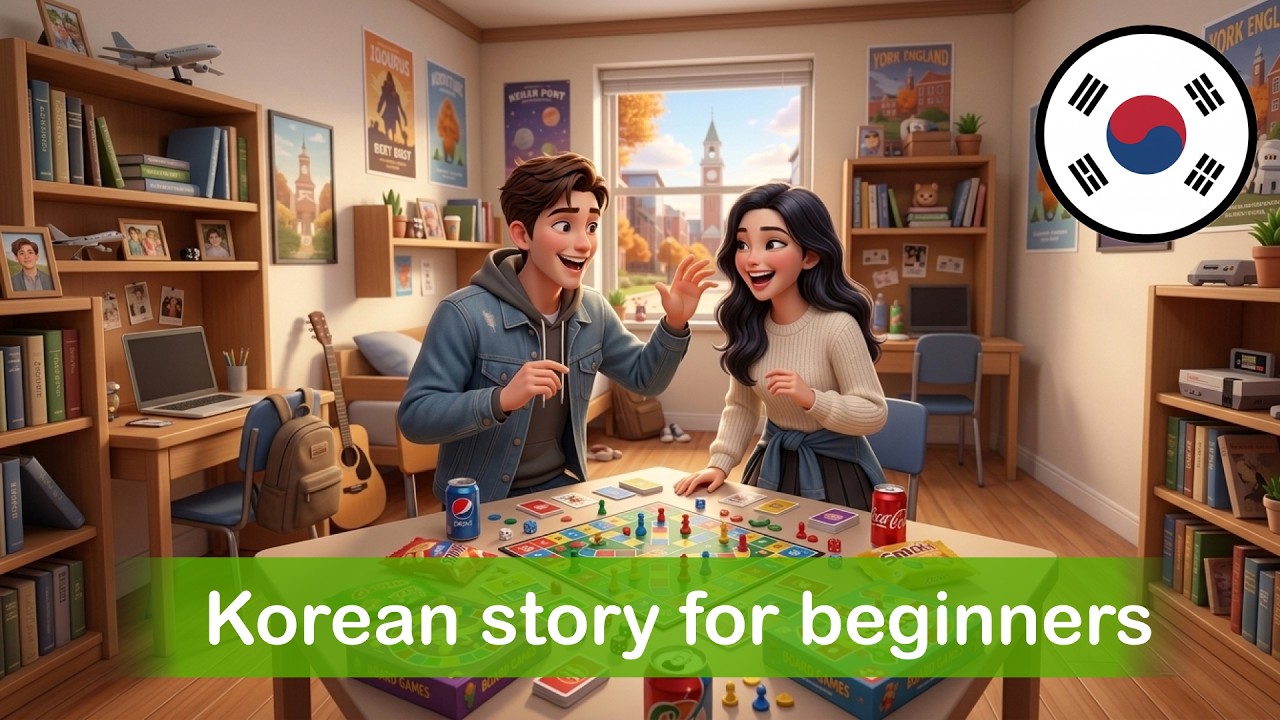
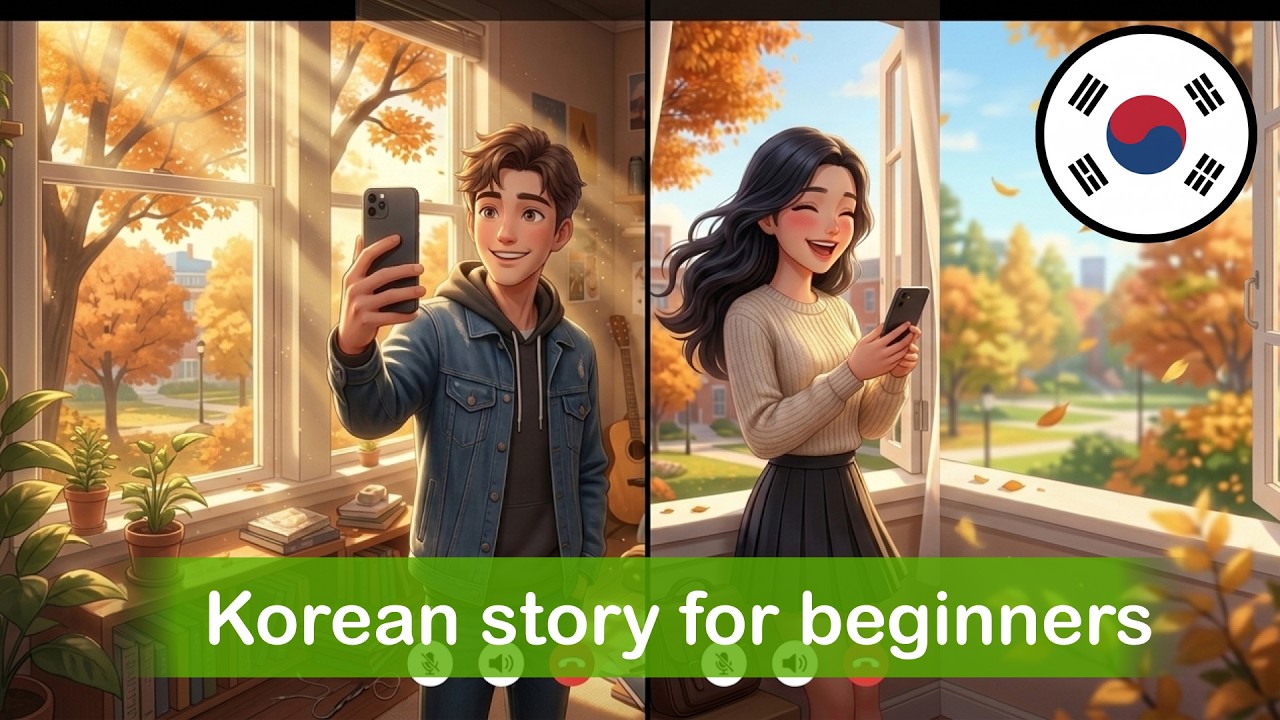
In this A1-level Korean listening practice, you’ll hear a simple and natural conversation between two friends, Minjun and Seoyeon. You’ll learn how to ask what someone is doing, talk about what’s inside your bag using essential vocabulary, and suggest doing an activity together.
💬 Video Transcript
민준: 서연 씨, 안녕하세요.
(Minjun: Seoyeon, hello.)
서연: 아, 민준 씨. 안녕하세요.
(Seoyeon: Ah, Minjun. Hello.)
민준: 지금 뭐 해요?
(Minjun: What are you doing now?)
서연: 저는 공부해요. 민준 씨는 뭐 해요?
(Seoyeon: I’m studying. What are you doing, Minjun?)
민준: 저도 공부해요. 우리 같이 공부해요.
(Minjun: I’m studying too. Let’s study together.)
서연: 네, 좋아요. 같이 공부해요.
(Seoyeon: Yes, sounds good. Let’s study together.)
민준: 서연 씨, 가방이 커요.
(Minjun: Seoyeon, your bag is big.)
서연: 네, 제 가방은 커요.
(Seoyeon: Yes, my bag is big.)
민준: 가방 안에 뭐 있어요?
(Minjun: What’s inside the bag?)
서연: 제 가방 안에요? 음… 많이 있어요.
(Seoyeon: Inside my bag? Hmm… there’s a lot.)
민준: 정말요? 뭐 있어요?
(Minjun: Really? What’s there?)
서연: 보세요. 이것은 책이에요. 한국어 책이에요.
(Seoyeon: Look. This is a book. It’s a Korean book.)
민준: 와, 한국어 책이 있어요.
(Minjun: Wow, you have a Korean book.)
서연: 네, 책이 있어요. 그리고 이것은 공책이에요.
(Seoyeon: Yes, I have a book. And this is a notebook.)
민준: 아, 공책도 있어요.
(Minjun: Ah, you have a notebook too.)
서연: 네. 공책도 있어요. 그리고 펜도 있어요. 여기 펜이 있어요.
(Seoyeon: Yes. I have a notebook too. And I have a pen too. Here is a pen.)
민준: 책, 공책, 펜… 또 뭐 있어요?
(Minjun: A book, a notebook, a pen… what else is there?)
서연: 음… 물이 있어요. 이것은 물이에요.
(Seoyeon: Hmm… there’s water. This is water.)
민준: 아, 가방에 물이 있어요. 저도 목이 말라요.
(Minjun: Ah, there’s water in the bag. I’m thirsty too.)
서연: 하하. 제 가방에는 책, 공책, 펜, 그리고 물이 있어요.
(Seoyeon: Haha. In my bag, there’s a book, a notebook, a pen, and water.)
민준: 좋은 가방이에요.
(Minjun: It’s a good bag.)
서연: 민준 씨 가방은 작아요.
(Seoyeon: Minjun, your bag is small.)
민준: 네, 제 가방은 작아요.
(Minjun: Yes, my bag is small.)
서연: 민준 씨 가방 안에는 뭐 있어요?
(Seoyeon: What’s inside your bag, Minjun?)
민준: 제 가방 안에요? 음… 저도 책이 있어요.
(Minjun: Inside my bag? Hmm… I have a book too.)
서연: 오, 민준 씨도 한국어 책이 있어요?
(Seoyeon: Oh, you have a Korean book too?)
민준: 아니요. 한국어 책이 아니에요. 그냥 책이에요.
(Minjun: No. It’s not a Korean book. It’s just a book.)
서연: 아, 그렇군요. 또 뭐 있어요?
(Seoyeon: Ah, I see. What else is there?)
민준: 저도 펜이 있어요. 파란색 펜이에요.
(Minjun: I have a pen too. It’s a blue pen.)
서연: 저도 파란색 펜을 좋아해요.
(Seoyeon: I like blue pens too.)
민준: 정말요? 하하. 그리고… 사과가 있어요!
(Minjun: Really? Haha. And… there’s an apple!)
서연: 네? 사과요? 가방에 사과가 있어요?
(Seoyeon: What? An apple? There’s an apple in your bag?)
민준: 네! 보세요. 빨간 사과예요. 맛있어요.
(Minjun: Yes! Look. It’s a red apple. It’s delicious.)
서연: 와, 신기해요. 가방에 책, 펜, 그리고 사과가 있어요.
(Seoyeon: Wow, that’s interesting. In the bag, there’s a book, a pen, and an apple.)
민준: 네, 맞아요. 저는 사과를 아주 좋아해요.
(Minjun: Yes, that’s right. I really like apples.)
서연: 저도 사과를 좋아해요.
(Seoyeon: I like apples too.)
민준: 그럼 우리 이 사과 같이 먹어요.
(Minjun: Then let’s eat this apple together.)
서연: 지금요? 공부 안 해요?
(Seoyeon: Right now? Aren’t we studying?)
민준: 공부 전에 사과를 먹어요. 그리고 공부해요.
(Minjun: Let’s eat the apple before studying. And then let’s study.)
서연: 하하. 네, 좋아요. 같이 먹어요. 맛있겠어요.
(Seoyeon: Haha. Yes, sounds good. Let’s eat together. It looks delicious.)
📝 Essential Vocabulary
Here are some key words and phrases from the dialogue. Listen to the pronunciation and practice saying them yourself.
| Target Language | English Translation | Pronunciation |
|---|---|---|
| 공부해요 | to study | |
| 같이 | together | |
| 가방 | bag | |
| 안에 | inside | |
| 뭐 있어요? | What is there? / What do you have? | |
| 책 | book | |
| 공책 | notebook | |
| 펜 | pen | |
| 물 | water | |
| 사과 | apple |
🔍 Grammar Focus
This dialogue uses some fundamental Korean grammar patterns that are essential for beginners.
1. Indicating Possession/Existence: Noun + 이/가 있어요
The phrase 있어요 (isseoyo) is incredibly versatile. It means “to exist,” “to be at a location,” or “to have.” In this dialogue, the characters use it to talk about what they have in their bags.
The noun is followed by the subject marking particle 이 (if the noun ends in a consonant) or 가 (if the noun ends in a vowel).
From the script:
- 한국어 책이 있어요. (Hangugeo chaeg-i isseoyo.) - I have a Korean book. (책 ends in a consonant, so
이is used.) - 펜이 있어요. (Pen-i isseoyo.) - I have a pen.
- 사과가 있어요! (Sagwa-ga isseoyo!) - I have an apple! (사과 ends in a vowel, so
가is used.)
2. The “Also” or “Too” Particle: -도
When you want to say “also” or “too,” you can replace the subject particle (이/가) or topic particle (은/는) with -도 (do). It’s a simple way to add information and agree with someone.
From the script:
- 저도 공부해요. (Jeo-do gongbuhaeyo.) - I’m studying too.
- 공책도 있어요. (Gongchaek-do isseoyo.) - I have a notebook too.
- 펜도 있어요. (Pen-do isseoyo.) - I have a pen too.
Notice how 저도 means “me too” and attaching -도 to nouns like 공책 (notebook) means “a notebook also.”
🌍 Cultural Tip
🃏 Flip & Learn
Use these flashcards to test your memory of key phrases from the dialogue.
Let's study together.
같이 공부해요.
What's inside the bag?
가방 안에 뭐 있어요?
I'm thirsty too.
저도 목이 말라요.
It looks delicious.
맛있겠어요.
💡 Key Takeaways
Here are the most important points to remember from this lesson:
- To ask what someone is doing, you can say 지금 뭐 해요? (Jigeum mwo haeyo?).
- Use Noun + -이/가 있어요 to say that something exists or that you have something.
- Suggest an activity with someone by using 같이 (together) + Verb. For example, 같이 먹어요 (Let’s eat together).
- Add the particle -도 to a noun or pronoun to mean “also” or “too,” as in 저도 사과를 좋아해요 (I like apples too).
- You learned basic vocabulary for classroom items: 책 (book), 공책 (notebook), and 펜 (pen).
🎯 Practice Quiz
Check your understanding of the dialogue with these questions.
Question
Question
Question
✍️ Fill in the Blanks
Let’s test your spelling and memory! Fill in the missing words below. Use correct spelling.
Fill in the blank
Fill in the blank
Support Us
Did you find this lesson helpful? Your support is what makes it possible for us to keep creating free, high-quality educational content.