Talking About Food and Weather in Korean: Rainy Day Pajeon Dialogue 🌧️
Learn beginner Korean vocabulary for weather, food, and family with this easy-to-follow story about making delicious Pajeon (Korean savory pancakes) on a rainy day.
Immerse yourself in a cozy, rainy day in Korea with this A1-A2 level story. You’ll learn essential vocabulary for food and weather, and practice the simple past tense while following along as a family makes delicious Korean savory pancakes, called Pajeon (파전).
💬 Video Transcript
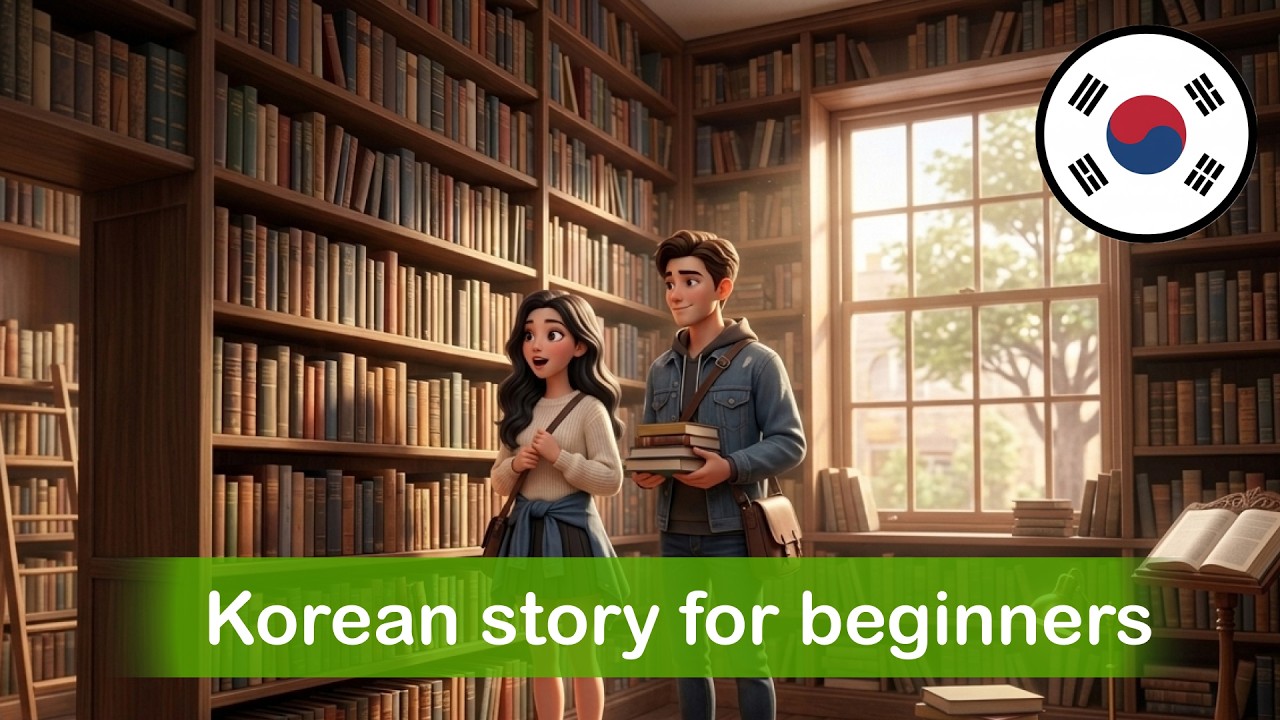
서연 (Seoyeon): 민준이의 집은 정말 따뜻했어요. 할머니께서 주신 옥수수차는 아주 맛있었어요. 저는 따뜻한 컵을 두 손으로 잡았어요. 창밖에는 계속 비가 내렸어요. 빗소리가 좋았어요. 저는 더 이상 심심하지 않았어요.
(Seoyeon: Minjun’s house was really warm. The corn tea Grandma gave me was very delicious. I held the warm cup with both hands. Outside the window, it was still raining. The sound of the rain was nice. I wasn’t bored anymore.)
서연 (Seoyeon): 할머니, 차가 정말 맛있어요. 감사합니다.
(Seoyeon: Grandma, the tea is really delicious. Thank you.)
할머니 (Grandma): 할머니는 상냥하게 웃으셨어요.
(Grandma: Grandma smiled kindly.)
민준 (Minjun): 비 오는 날에는 맛있는 음식이 먹고 싶어.
(Minjun: On a rainy day, I want to eat delicious food.)
할머니 (Grandma): 그 말을 듣고 할머니의 얼굴이 밝아졌어요. “아, 그럼 우리 파전을 만들까? 비 오는 날에는 파전이 최고야.”
(Grandma: Hearing that, Grandma’s face brightened up. “Ah, then shall we make Pajeon? Pajeon is the best on a rainy day.”)
서연 (Seoyeon): 파전이 뭐예요?
(Seoyeon: What’s Pajeon?)
민준 (Minjun): 한국의 팬케이크 같은 거야. 아주 맛있어!
(Minjun: It’s like a Korean pancake. It’s very delicious!)
서연 (Seoyeon): 저는 한 번도 파전을 만들어 본 적이 없었어요.
(Seoyeon: I had never made Pajeon before.)
할머니 (Grandma): 할머니께서 제 손을 잡으셨어요. “서연아, 같이 만들자. 아주 쉽고 재미있어.”
(Grandma: Grandma took my hand. “Seoyeon, let’s make it together. It’s very easy and fun.”)
서연 (Seoyeon): 우리는 모두 부엌으로 갔어요. 할머니는 저에게 밀가루를 주셨고, 민준이에게는 파를 주셨어요. 우리는 함께 반죽을 만들었어요. 조금 서툴렀지만 정말 재미있었어요. 곧 부엌에 맛있는 냄새가 가득 찼어요. 지글지글, 파전이 익는 소리가 빗소리와 함께 들렸어요. 할머니는 큰 접시에 노릇노릇한 파전을 담아주셨어요. 우리는 다시 식탁에 앉았어요. 김이 나는 파전을 보니 배가 더 고파졌어요.
(Seoyeon: We all went to the kitchen. Grandma gave me the flour, and she gave Minjun the green onions. We made the batter together. I was a little clumsy, but it was really fun. Soon, the kitchen was filled with a delicious smell. Sizzle, sizzle, the sound of the Pajeon cooking was heard along with the sound of the rain. Grandma placed the golden-brown Pajeon on a large plate. We sat at the table again. Seeing the steaming Pajeon made me even hungrier.)
서연 (Seoyeon): 우와! 정말 맛있어요!
(Seoyeon: Wow! It’s so delicious!)
서연 (Seoyeon): 저는 크게 말했어요. 민준이와 할머니는 행복하게 웃었어요. 우리는 함께 맛있는 파전을 먹으면서 이야기했어요. 지루했던 비 오는 날이 아주 특별하고 맛있는 날이 되었어요.
(Seoyeon: I said loudly. Minjun and Grandma smiled happily. We talked while eating the delicious Pajeon together. The boring rainy day became a very special and delicious day.)
📝 Essential Vocabulary
Here are some key words and phrases from the video that will help you understand the story. Listen to the pronunciation and practice saying them out loud.
| Target Language | English Translation | Pronunciation |
|---|---|---|
| 비 오는 날 | A rainy day | |
| 빗소리 | The sound of rain | |
| 심심하다 | To be bored | |
| 파전 | Pajeon (scallion pancake) | |
| 만들다 | To make | |
| 밀가루 | Flour | |
| 반죽 | Batter / Dough | |
| 재미있다 | To be fun, interesting | |
| 냄새 | A smell, scent | |
| 특별하다 | To be special |
🔍 Grammar Focus
Let’s explore two key grammar points from the story that are essential for A1-A2 level Korean learners.
1. Simple Past Tense: -았/었어요 (-ass/eoss-eoyo)
This story is told in the past tense, making it perfect for practicing this fundamental grammar rule. To change a verb or adjective into the simple past tense, you add -았어요 or -었어요 to the verb stem.
The rule is based on the last vowel of the verb stem:
- If the last vowel is ㅏ or ㅗ, you add -았어요.
- If the last vowel is anything else (like ㅓ, ㅜ, ㅣ), you add -었어요.
- For verbs ending in 하다, it becomes 했어요.
Here are some examples directly from our story:
- 따뜻하다 (to be warm) → 따뜻했어요 (It was warm)
- 맛있다 (to be delicious) → 맛있었어요 (It was delicious)
- 잡다 (to hold) → 잡았어요 (I held)
- 내리다 (to fall/descend, for rain) → 내리(ㅣ) + 었어요 → 내렸어요 (It rained)
- 웃다 (to laugh/smile) + honorific 시 → 웃으시다 → 웃으셨어요 (She smiled - polite)
2. Expressing Desire: -고 싶다 (-go sipda)
When Minjun feels hungry, he says “맛있는 음식이 먹고 싶어.” This -고 싶다 (-go sipda) structure is how you say you “want to” do something in Korean. It’s very easy to use!
Simply take the dictionary form of a verb, remove the -다 at the end to get the stem, and attach -고 싶다 (or the polite form -고 싶어요).
Let’s look at Minjun’s sentence:
- Verb: 먹다 (to eat)
- Stem: 먹
- Add
-고 싶어(informal) → 먹고 싶어 (I want to eat)
So, “맛있는 음식이 먹고 싶어” literally means “Delicious food, I want to eat.”
Here’s another example:
- Verb: 만들다 (to make)
- Stem: 만들
- Add
-고 싶어요(polite) → 만들고 싶어요 (I want to make)
🌍 Cultural Tip
🃏 Flip & Learn
Review the key vocabulary and phrases from the story with these flashcards.
A rainy day
비 오는 날
The sound of rain
빗소리
Korean savory pancake
파전
It was fun
재미있었어요
I want to eat
먹고 싶어요
💡 Key Takeaways
Here are the most important points to remember from this lesson:
- Cultural Tidbit: In Korea, it’s very common to crave and eat 파전 (Pajeon), often with a milky rice wine called Makgeolli, on rainy days. The sizzling sound (
지글지글) of the pancake cooking is said to resemble the sound of rain (빗소리). - Past Tense is Key: To talk about things that have already happened, use the
-았/었어요ending. Pay attention to the last vowel in the verb stem to choose the correct one. - Expressing Wants: To say you want to do an action, just add
-고 싶어요to a verb stem. For example,자고 싶어요(I want to sleep) or보고 싶어요(I want to see / I miss you). - Descriptive Sounds: Korean uses many onomatopoeic and mimetic words. In the story,
지글지글perfectly captures the sizzling sound of the pancake in the hot pan.
🎯 Practice Quiz
Test your understanding of the vocabulary and grammar from this lesson.
Question
Question
Question
✍️ Fill in the Blanks
Let’s test your spelling and memory! Fill in the missing words below. Use correct spelling.
Fill in the blank
Fill in the blank
Support Us
Did you find this lesson helpful? Your support is what makes it possible for us to keep creating free, high-quality educational content.