Meeting Your Friend’s Family in Korean: Polite Introductions & Vocabulary 👵
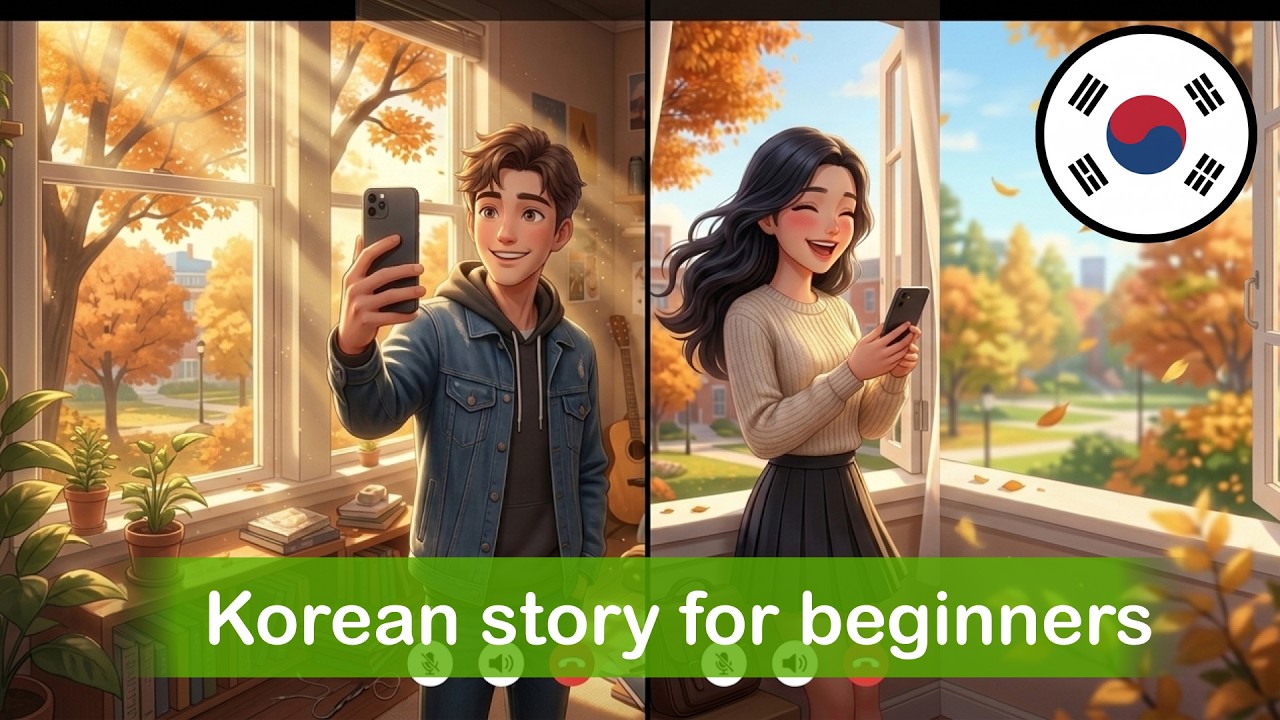
Learn essential Korean phrases for introductions and visiting a friend's home. Follow along as Minjun introduces Seoyeon to his kind grandmother (halmeoni).
In this A1-A2 Korean lesson, you’ll practice your listening and reading skills with a heartwarming story about meeting a family member for the first time. Join Minjun as he introduces his friend Seoyeon to his grandmother. You will learn essential vocabulary for family, polite introductions, and how to make friendly suggestions.
💬 Video Transcript
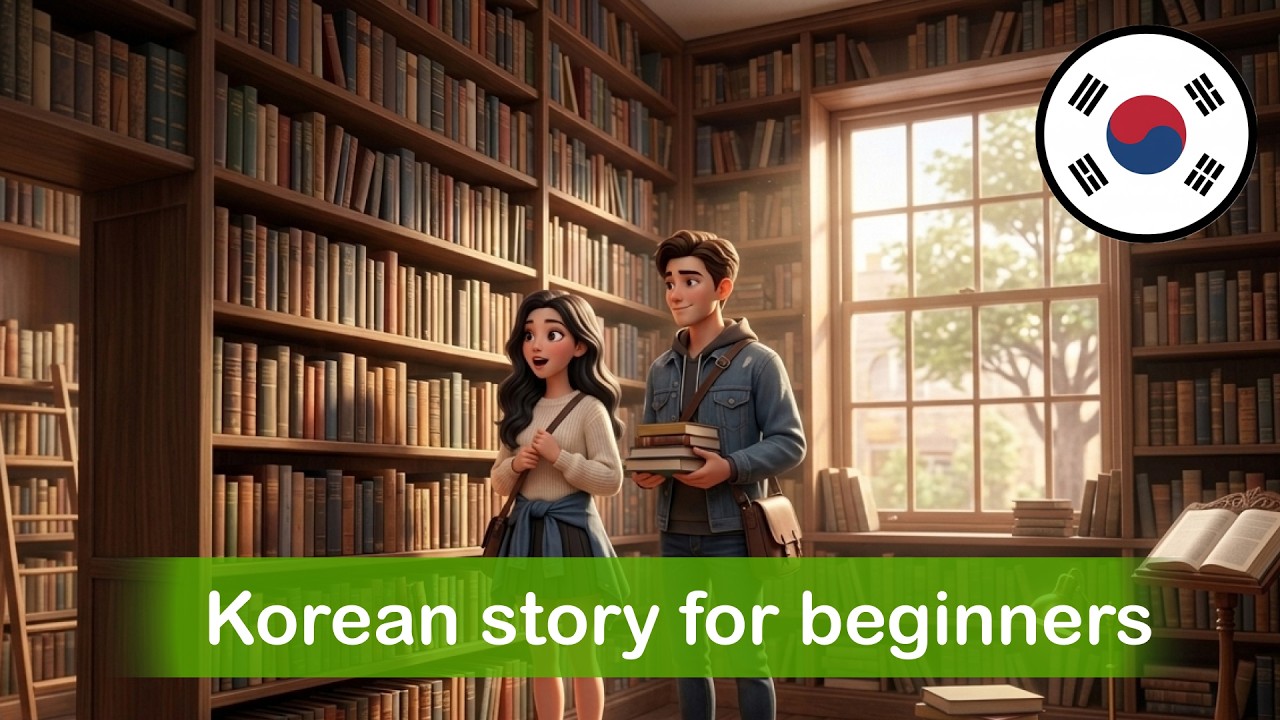
민준 (Narrator): 저는 서연 씨에게 우리 가족 사진을 보여줬어요. 서연 씨는 특히 우리 할머니 사진을 좋아했어요.
(Minjun (Narrator): I showed Seoyeon my family picture. Seoyeon especially liked my grandmother’s picture.)
서연: 민준 씨 할머니는 정말 친절해 보여요.
(Seoyeon: Minjun, your grandmother looks really kind.)
민준 (Narrator): 저는 그 말을 듣고 기분이 정말 좋았어요. 그래서 저는 서연 씨에게 물었어요.
(Minjun (Narrator): I felt really good hearing that. So I asked Seoyeon.)
민준: 서연 씨, 지금 우리 집에 갈래요? 할머니가 집에 계세요. 직접 만날 수 있어요.
(Minjun: Seoyeon, do you want to go to my house now? My grandmother is home. You can meet her in person.)
민준 (Narrator): 서연 씨는 조금 놀랐지만, 곧 활짝 웃었어요.
(Minjun (Narrator): Seoyeon was a little surprised, but she soon smiled brightly.)
서연: 네, 좋아요! 민준 씨 할머니를 만나고 싶어요.
(Seoyeon: Yes, sounds great! I want to meet your grandmother.)
민준 (Narrator): 우리는 함께 우리 집으로 걸어갔어요. 집에 도착해서 제가 문을 열었어요.
(Minjun (Narrator): We walked to my house together. When we arrived, I opened the door.)
민준: 할머니, 저 왔어요! 그리고 친구 서연 씨도 같이 왔어요.
(Minjun: Grandma, I’m home! And my friend Seoyeon came with me.)
민준 (Narrator): 부엌에 계시던 할머니가 우리를 보러 나오셨어요. 할머니는 서연 씨를 보고 따뜻하게 웃으셨어요.
(Minjun (Narrator): My grandmother, who was in the kitchen, came out to see us. She smiled warmly at Seoyeon.)
할머니: 어머, 민준이 친구구나. 어서 와요.
(Halmeoni: Oh, you must be Minjun’s friend. Welcome.)
민준 (Narrator): 서연 씨는 공손하게 인사했어요.
(Minjun (Narrator): Seoyeon greeted her politely.)
서연: 안녕하세요, 할머니. 저는 서연이라고 해요. 만나서 반갑습니다.
(Seoyeon: Hello, Grandmother. My name is Seoyeon. It’s a pleasure to meet you.)
민준 (Narrator): 할머니는 서연 씨의 손을 잡으셨어요.
(Minjun (Narrator): Grandmother took Seoyeon’s hand.)
할머니: 서연 학생, 정말 반가워요. 앉아요. 할머니가 맛있는 주스를 줄게요.
(Halmeoni: Seoyeon, it’s so nice to meet you. Sit down. Grandma will give you some delicious juice.)
민준 (Narrator): 할머니는 우리에게 시원한 오렌지 주스를 주셨어요. 우리는 식탁에 앉아 함께 주스를 마셨어요. 할머니와 서연 씨는 재미있게 이야기를 나눴어요. 저는 그 모습을 보면서 마음이 정말 따뜻해졌어요.
(Minjun (Narrator): Grandmother gave us cold orange juice. We sat at the table and drank the juice together. Grandmother and Seoyeon talked cheerfully. Watching them made my heart feel very warm.)
📝 Essential Vocabulary
Here are some key words and phrases from the video. Listen to the pronunciation and practice saying them yourself.
| Target Language | English Translation | Pronunciation |
|---|---|---|
| 할머니 (halmeoni) | Grandmother | |
| 가족 사진 (gajok sajin) | Family picture | |
| 친절하다 (chinjeolhada) | To be kind | |
| 친구 (chingu) | Friend | |
| 직접 (jikjeop) | In person, directly | |
| 공손하게 (gongsonhage) | Politely | |
| 만나서 반갑습니다 (mannaseo bangapseumnida) | Nice to meet you | |
| 맛있는 (masinneun) | Delicious |
🔍 Grammar Focus
Let’s look at two useful grammar patterns that appear in the dialogue.
1. Describing Appearances: -아/어/해 보여요 (to look/seem)
When you want to describe how someone or something looks or the impression they give, you can attach ~아/어/해 보여요 to an adjective stem.
The form changes based on the last vowel of the adjective stem:
- If the last vowel is ㅏ or ㅗ, you add
~아 보여요. - If the last vowel is anything else, you add
~어 보여요. - For adjectives ending in
~하다, it becomes~해 보여요.
In the script, Seoyeon sees a picture of Minjun’s grandmother and says:
“민준 씨 할머니는 정말 친절해 보여요.”
(Minjun, your grandmother looks really kind.)
Here, the base adjective is 친절하다 (to be kind). Because it’s a 하다 adjective, it changes to 친절해 보여요.
2. Making a Suggestion: -(으)ㄹ래요? (Do you want to…?)
This is a friendly and common way to ask someone if they want to do something with you. It’s a casual but polite suggestion.
The form changes based on the verb stem:
- If the stem ends in a vowel or ㄹ, you add
~ㄹ래요?. - If the stem ends in a consonant (other than ㄹ), you add
~을래요?.
Minjun uses this pattern to invite Seoyeon to his house:
“서연 씨, 지금 우리 집에 갈래요?”
(Seoyeon, do you want to go to my house now?)
The verb here is 가다 (to go). The stem 가 ends in a vowel, so ~ㄹ래요? is attached, becoming 갈래요?.
🌍 Cultural Tip
🃏 Flip & Learn
Review the key vocabulary and phrases from the story with these flashcards.
Grandmother
할머니
She looks kind.
친절해 보여요.
Do you want to go home?
집에 갈래요?
Nice to meet you.
만나서 반갑습니다.
Delicious juice
맛있는 주스
💡 Key Takeaways
Here are the most important points to remember from this lesson:
- Polite Introductions are Key: When meeting an elder in Korea, use polite phrases like
안녕하세요(hello),저는 [이름]이라고 해요(my name is…), and만나서 반갑습니다(nice to meet you). - Use -아/어/해 보여요 to describe impressions: This grammar pattern is perfect for saying how something or someone appears, such as “친절해 보여요” (looks kind) or “피곤해 보여요” (looks tired).
- Suggest activities with -(으)ㄹ래요?: This is a natural and friendly way to ask “Do you want to…?” or “Shall we…?”, as seen in “우리 집에 갈래요?” (Do you want to go to my house?).
- Family Vocabulary: The word
할머니(halmeoni) is the common and warm term for grandmother.
🎯 Practice Quiz
Test your understanding of the vocabulary and grammar from this lesson.
Question
Question
Question
✍️ Fill in the Blanks
Let’s test your spelling and memory! Fill in the missing words below. Use correct spelling.
Fill in the blank
Fill in the blank
Support Us
Did you find this lesson helpful? Your support is what makes it possible for us to keep creating free, high-quality educational content.