Making Weekend Plans in Korean: Library Dialogue & Scheduling 📚
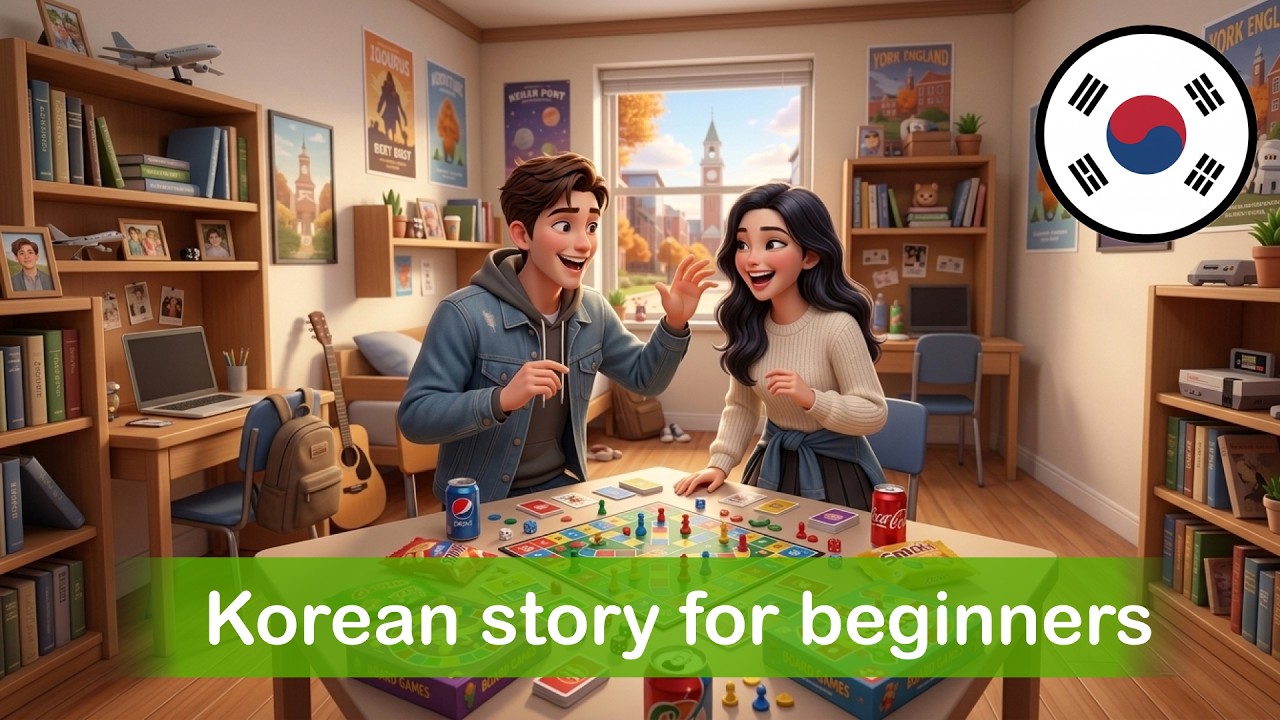
Learn essential Korean for making plans with our beginner dialogue. Follow Minjun and Seoyeon as they decide to go to the library together this weekend.
In this beginner Korean dialogue, you’ll learn how to make spontaneous weekend plans with a friend. Listen as Minjun and Seoyeon talk about their hobbies, decide to go to the library together, and set a specific time and place to meet. This lesson is perfect for practicing future tense and making suggestions.
💬 Video Transcript
민준: 서연, 안녕!
(Minjun: Seoyeon, hi!)
서연: 어, 민준! 안녕! 어디 가요?
(Seoyeon: Oh, Minjun! Hi! Where are you going?)
민준: 저는 집에 가요. 서연은 어디 가요?
(Minjun: I’m going home. Where are you going, Seoyeon?)
서연: 저도 이제 집에 가요.
(Seoyeon: I’m also going home now.)
민준: 서연, 주말에 뭐 해요?
(Minjun: Seoyeon, what are you doing on the weekend?)
서연: 주말에요? 음… 저는 도서관에 갈 거예요.
(Seoyeon: On the weekend? Hmm… I’m going to go to the library.)
민준: 도서관에요? 와!
(Minjun: To the library? Wow!)
서연: 네. 저는 도서관을 아주 좋아해요.
(Seoyeon: Yes. I really like the library.)
민준: 도서관에서 뭐 해요?
(Minjun: What do you do at the library?)
서연: 도서관에서 책을 읽어요.
(Seoyeon: I read books at the library.)
민준: 책을 읽어요?
(Minjun: You read books?)
서연: 네. 저는 책을 정말 좋아해요. 민준은 책 좋아해요?
(Seoyeon: Yes. I really like books. Do you like books, Minjun?)
민준: 네, 저도 책을 좋아해요. 조금 좋아해요.
(Minjun: Yes, I like books too. I like them a little.)
서연: 도서관은 책이 아주 많아요. 그리고 아주 조용해요.
(Seoyeon: The library has a lot of books. And it’s very quiet.)
민준: 와, 정말 좋아요. 조용한 곳, 저도 좋아해요.
(Minjun: Wow, that’s really nice. I like quiet places, too.)
서연: 그렇죠? 그래서 저는 도서관이 좋아요.
(Seoyeon: Right? That’s why I like the library.)
민준: 서연은 어떤 책을 읽어요?
(Minjun: What kind of books do you read, Seoyeon?)
서연: 저는 재미있는 이야기책을 읽어요. 그림책도 읽어요.
(Seoyeon: I read fun storybooks. I also read picture books.)
민준: 아, 이야기책하고 그림책. 재미있겠네요.
(Minjun: Ah, storybooks and picture books. That sounds fun.)
서연: 네, 아주 재미있어요. 민준은 주말에 특별한 계획 있어요?
(Seoyeon: Yes, it’s very fun. Do you have any special plans for the weekend, Minjun?)
민준: 아니요. 저는 아무 계획 없어요. 그냥 집에 있을 거예요.
(Minjun: No. I don’t have any plans. I’ll just be at home.)
서연: 그래요? 그러면… 우리 주말에 같이 도서관에 갈까요?
(Seoyeon: Really? In that case… shall we go to the library together on the weekend?)
민준: 정말요? 같이 가도 돼요?
(Minjun: Really? Is it okay if we go together?)
서연: 네! 그럼요! 같이 가요. 재미있을 거예요.
(Seoyeon: Yes! Of course! Let’s go together. It will be fun.)
민준: 와! 좋아요! 같이 가요! 정말 신난다!
(Minjun: Wow! Okay! Let’s go together! I’m so excited!)
서연: 우리 언제 만날까요? 토요일 어때요?
(Seoyeon: When shall we meet? How about Saturday?)
민준: 토요일 좋아요! 몇 시에 만날까요?
(Minjun: Saturday is good! What time shall we meet?)
서연: 음… 오후 두 시 어때요?
(Seoyeon: Hmm… How about 2 PM?)
민준: 오후 두 시. 네, 좋아요!
(Minjun: 2 PM. Yes, that’s good!)
서연: 그럼 우리 토요일 오후 두 시에 도서관 앞에서 만나요.
(Seoyeon: Then let’s meet in front of the library at 2 PM on Saturday.)
민준: 네! 토요일 두 시, 도서관 앞. 알겠어요.
(Minjun: Okay! Saturday at two, in front of the library. I understand.)
서연: 좋아요! 그럼 토요일에 봐요!
(Seoyeon: Great! Then see you on Saturday!)
민준: 네, 서연! 토요일에 봐요! 안녕!
(Minjun: Yes, Seoyeon! See you on Saturday! Bye!)
📝 Essential Vocabulary
Here are some key words and phrases from the video that you’ll need to understand the conversation about making plans.
| Target Language | English Translation | Pronunciation |
|---|---|---|
| 주말 | Weekend | |
| 도서관 | Library | |
| 책을 읽어요 | To read a book / (I) read a book | |
| 좋아해요 | To like / (I) like | |
| 계획 | Plan | |
| 같이 갈까요? | Shall we go together? | |
| 언제 만날까요? | When shall we meet? | |
| 몇 시에 | At what time |
🔍 Grammar Focus
Let’s break down two important grammar patterns used in this conversation to make plans and suggestions.
1. Expressing Future Plans: -(으)ㄹ 거예요
When you want to talk about your future plans or intentions in Korean, you can use the -(으)ㄹ 거예요 ending. You attach it to a verb stem.
- If the verb stem ends in a vowel, you add
**-ㄹ 거예요**. - If the verb stem ends in a consonant, you add
**-을 거예요**.
In the dialogue, Seoyeon and Minjun use this to describe what they will do:
- 가다 (to go) → 가 + ㄹ 거예요 → 갈 거예요
서연: 저는 도서관에 갈 거예요.
(Seoyeon: I’m going to go to the library.) - 있다 (to be/stay) → 있 + 을 거예요 → 있을 거예요
민준: 그냥 집에 있을 거예요.
(Minjun: I’ll just be at home.)
2. Making Suggestions: -(으)ㄹ까요?
To make a suggestion or ask for someone’s opinion, like “Shall we…?” or “How about…?”, you can use the -(으)ㄹ까요? ending.
- If the verb stem ends in a vowel, you add
**-ㄹ까요?**. - If the verb stem ends in a consonant, you add
**-을까요?**.
Seoyeon and Minjun use this pattern multiple times to organize their plan:
- 가다 (to go) → 가 + ㄹ까요? → 갈까요?
서연: 우리 주말에 같이 도서관에 갈까요?
(Seoyeon: Shall we go to the library together this weekend?) - 만나다 (to meet) → 만나 + ㄹ까요? → 만날까요?
서연: 우리 언제 만날까요?
(Seoyeon: When shall we meet?)
🌍 Cultural Tip
🃏 Flip & Learn
Use these flashcards to test your memory of the key phrases from the dialogue.
Weekend
주말
Library
도서관
Shall we go together?
같이 갈까요?
When shall we meet?
언제 만날까요?
What time?
몇 시에?
💡 Key Takeaways
Here are the most important points to remember from this lesson:
- To ask about weekend plans, you can say: 주말에 뭐 해요? (What are you doing on the weekend?).
- Use the future tense
-(으)ㄹ 거예요to state your own plans, like 도서관에 갈 거예요 (I will go to the library). - To suggest an activity, use the
-(으)ㄹ까요?pattern. 같이 갈까요? (Shall we go together?) is a very common and friendly way to invite someone. - To arrange a meeting, combine the day, time, and location: 토요일 오후 두 시에 도서관 앞에서 만나요 (Let’s meet on Saturday at 2 PM in front of the library).
🎯 Practice Quiz
Check your understanding of the dialogue and grammar with these questions.
Question
Question
Question
✍️ Fill in the Blanks
Let’s test your spelling and memory! Fill in the missing words below. Use correct spelling.
Fill in the blank
Fill in the blank
Support Us
Did you find this lesson helpful? Your support is what makes it possible for us to keep creating free, high-quality educational content.