Shopping for Clothes in Korean: Essential Colors & Dialogue 🛍️
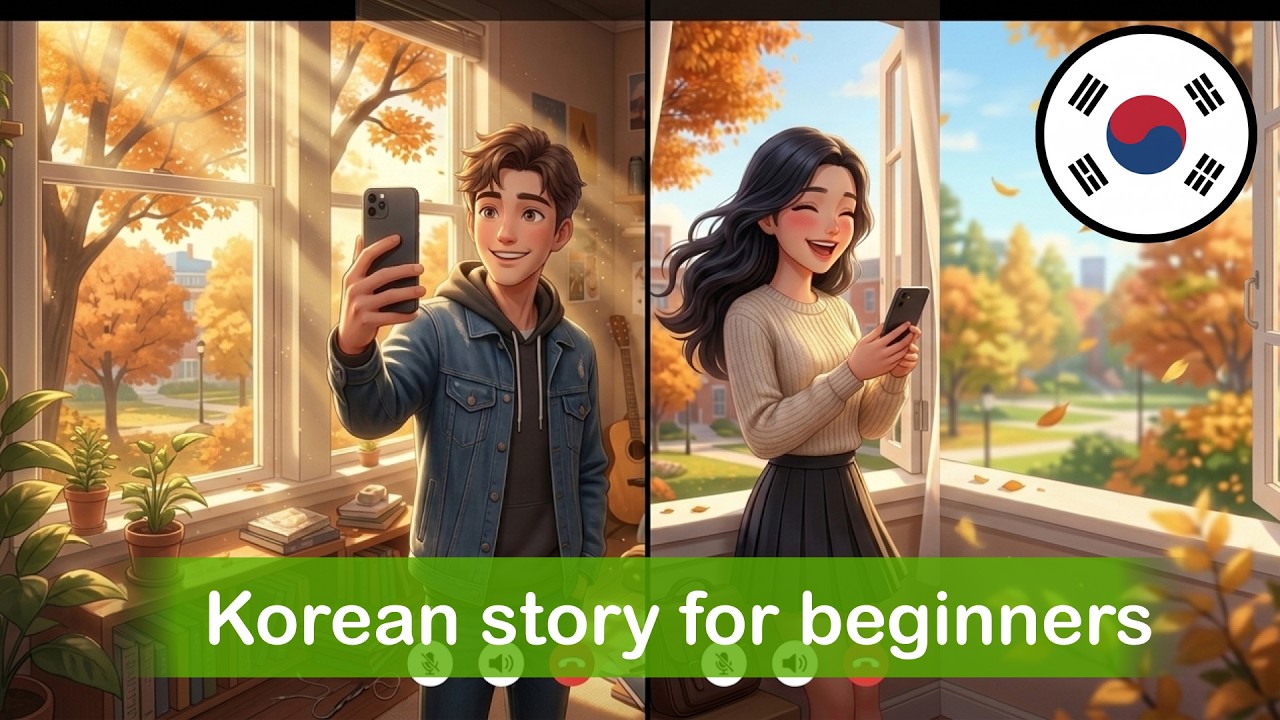
Learn beginner Korean vocabulary for shopping, colors, and making choices with our slow-speed dialogue. Follow Minjun and Seoyeon as they pick out a shirt and a hat.
In this beginner Korean lesson, you’ll join Minjun and Seoyeon on a shopping trip. You will learn essential vocabulary for clothes, colors like blue, red, and yellow, and how to express your preferences and opinions, all through a simple, slow-paced conversation.
💬 Video Transcript
민준: 서연 씨, 안녕하세요!
(Minjun: Seoyeon, hello!)
서연: 아, 민준 씨! 안녕하세요. 어디 가요?
(Seoyeon: Ah, Minjun! Hello. Where are you going?)
민준: 저는 가게에 가요. 셔츠를 사고 싶어요.
(Minjun: I’m going to the store. I want to buy a shirt.)
서연: 셔츠요? 좋은 생각이에요. 저도 같이 가도 돼요?
(Seoyeon: A shirt? That’s a good idea. Can I go with you too?)
민준: 네! 물론이죠. 같이 가요.
(Minjun: Yes! Of course. Let’s go together.)
서연: 좋아요! 어떤 셔츠를 사고 싶어요?
(Seoyeon: Great! What kind of shirt do you want to buy?)
민준: 음… 파란색 셔츠를 사고 싶어요. 저는 파란색을 좋아해요.
(Minjun: Um… I want to buy a blue shirt. I like the color blue.)
서연: 저도 파란색을 좋아해요. 예쁜 셔츠를 찾아봐요.
(Seoyeon: I like blue, too. Let’s look for a pretty shirt.)
민준: 네, 좋아요!
(Minjun: Yes, great!)
(잠시 후, 가게 안에서)
(A little later, inside the store)
민준: 와, 이 가게에는 옷이 정말 많아요.
(Minjun: Wow, there are so many clothes in this store.)
서연: 맞아요. 셔츠도 많고, 바지도 많아요.
(Seoyeon: That’s right. There are many shirts and many pants, too.)
민준: 서연 씨, 이 셔츠 어때요? 파란색 셔츠예요.
(Minjun: Seoyeon, how is this shirt? It’s a blue shirt.)
서연: 와, 색깔이 정말 예뻐요. 아주 밝은 파란색이네요.
(Seoyeon: Wow, the color is really pretty. It’s a very bright blue.)
민준: 그렇죠? 제 마음에 들어요.
(Minjun: Right? I like it.)
서연: 민준 씨, 저기 보세요. 빨간색 셔츠도 있어요.
(Seoyeon: Minjun, look over there. There’s a red shirt, too.)
민준: 아, 저 셔츠도 예쁘네요. 빨간색도 좋아요.
(Minjun: Ah, that shirt is pretty, too. I like red as well.)
서연: 파란색 셔츠가 좋아요, 아니면 빨간색 셔츠가 좋아요?
(Seoyeon: Do you like the blue shirt or the red shirt?)
민준: 음… 고민이 돼요. 하지만 저는 파란색이 더 좋아요. 이 파란색 셔츠를 살래요.
(Minjun: Hmm… It’s hard to decide. But I like the blue one more. I’ll buy this blue shirt.)
서연: 좋은 선택이에요. 민준 씨한테 잘 어울릴 거예요.
(Seoyeon: Good choice. It will look good on you, Minjun.)
민준: 고마워요. 어? 서연 씨, 그건 뭐예요?
(Minjun: Thank you. Huh? Seoyeon, what is that?)
서연: 아, 이건 모자예요. 노란색 모자인데, 정말 귀엽죠?
(Seoyeon: Ah, this is a hat. It’s a yellow hat, really cute, right?)
민준: 와! 정말 귀여워요. 한번 써 보세요.
(Minjun: Wow! It’s really cute. Try it on.)
서연: (모자를 써본다) 어때요? 저한테 잘 어울려요?
(Seoyeon: (Tries on the hat) How is it? Does it suit me well?)
민준: 네! 정말 잘 어울려요. 아주 귀여워요.
(Minjun: Yes! It suits you really well. It’s very cute.)
서연: 정말요? 그럼 저도 이 모자를 살래요. 기분이 좋아요.
(Seoyeon: Really? Then I’ll buy this hat, too. I feel great.)
민준: 좋아요. 그럼 저는 파란색 셔츠를 사고, 서연 씨는 노란색 모자를 사요.
(Minjun: Great. Then I’ll buy the blue shirt, and you’ll buy the yellow hat.)
서연: 네! 우리 쇼핑을 재미있게 했어요.
(Seoyeon: Yes! We had a fun time shopping.)
민준: 맞아요. 이제 우리 뭐 할까요? 목이 말라요.
(Minjun: That’s right. What should we do now? I’m thirsty.)
서연: 그럼 우리 카페에 가서 시원한 주스를 마실까요?
(Seoyeon: Then shall we go to a cafe and drink some cool juice?)
민준: 와, 좋아요! 맛있는 오렌지 주스 마시러 가요.
(Minjun: Wow, great! Let’s go drink some delicious orange juice.)
서연: 네! 빨리 가요!
(Seoyeon: Yes! Let’s go quickly!)
📝 Essential Vocabulary
Here are some key words and phrases from the video that will help you talk about shopping and preferences in Korean.
| Target Language | English Translation | Pronunciation |
|---|---|---|
| 가게 | Store / Shop | |
| 셔츠 | Shirt | |
| 사고 싶어요 | I want to buy | |
| 파란색 | Blue color | |
| 빨간색 | Red color | |
| 노란색 | Yellow color | |
| 어때요? | How is it? / What do you think? | |
| 마음에 들어요 | I like it / It’s to my liking | |
| 잘 어울려요 | It suits you well |
🔍 Grammar Focus
Let’s break down two important grammar patterns used in the conversation.
1. Expressing Desire: Verb Stem + -고 싶어요
When you want to say “I want to…” in Korean, you can use the grammar pattern -고 싶어요 (go sip-eo-yo). You simply take a verb, remove the final 다 (da) from its dictionary form, and attach -고 싶어요.
Minjun uses this pattern several times:
셔츠를 사<strong>고 싶어요</strong>.(I want to buy a shirt.)- Here,
사다(to buy) becomes사-+고 싶어요.
- Here,
파란색 셔츠를 사<strong>고 싶어요</strong>.(I want to buy a blue shirt.)
Seoyeon also uses it to ask Minjun a question:
어떤 셔츠를 사<strong>고 싶어요</strong>?(What kind of shirt do you want to buy?)
2. Asking if Something Suits You: -한테 잘 어울려요
This is a very useful phrase when shopping for clothes or accessories. 잘 어울려요 (jal eo-ul-lyeo-yo) means “it suits well” or “it looks good on.” To specify who it looks good on, you use the particle -한테 (hante) after a person’s name or a pronoun.
In the dialogue:
민준 씨<strong>한테</strong> 잘 어울릴 거예요.(It will suit you well, Minjun.)- Seoyeon is telling Minjun that the shirt will look good on him.
저<strong>한테</strong> 잘 어울려요?(Does it suit me well?)- Seoyeon asks Minjun for his opinion about the hat.
저is the humble form of “I” or “me”.
- Seoyeon asks Minjun for his opinion about the hat.
🌍 Cultural Tip
🃏 Flip & Learn
Practice the key phrases from our shopping trip with these flashcards.
I want to buy a shirt.
셔츠를 사고 싶어요.
How is this shirt?
이 셔츠 어때요?
I like it.
마음에 들어요.
It suits you really well.
정말 잘 어울려요.
💡 Key Takeaways
Here are the most important points to remember from this lesson:
- To express what you want to do, add
-고 싶어요to a verb stem (e.g.,가다→가고 싶어요- I want to go). - Master basic color vocabulary:
파란색(blue),빨간색(red), and노란색(yellow). - To ask for an opinion on an item, you can simply point and say
어때요?(How is it?). - Use the phrase
[사람]한테 잘 어울려요to say that something looks good on a specific person. - Express that you like something by saying
마음에 들어요, which literally means “it enters my heart.”
🎯 Practice Quiz
Test your understanding of the vocabulary and grammar from the dialogue.
Question
Question
Question
✍️ Fill in the Blanks
Let’s test your spelling and memory! Fill in the missing words below. Use correct spelling.
Fill in the blank
Fill in the blank
Support Us
Did you find this lesson helpful? Your support is what makes it possible for us to keep creating free, high-quality educational content.