Talking About Clothes in Korean: Outfit Dialogue & Colors 👗
Learn how to describe clothes and colors in Korean with this fun dialogue! Practice A1 vocabulary for items like dresses, t-shirts, and shoes, and learn how to give compliments.
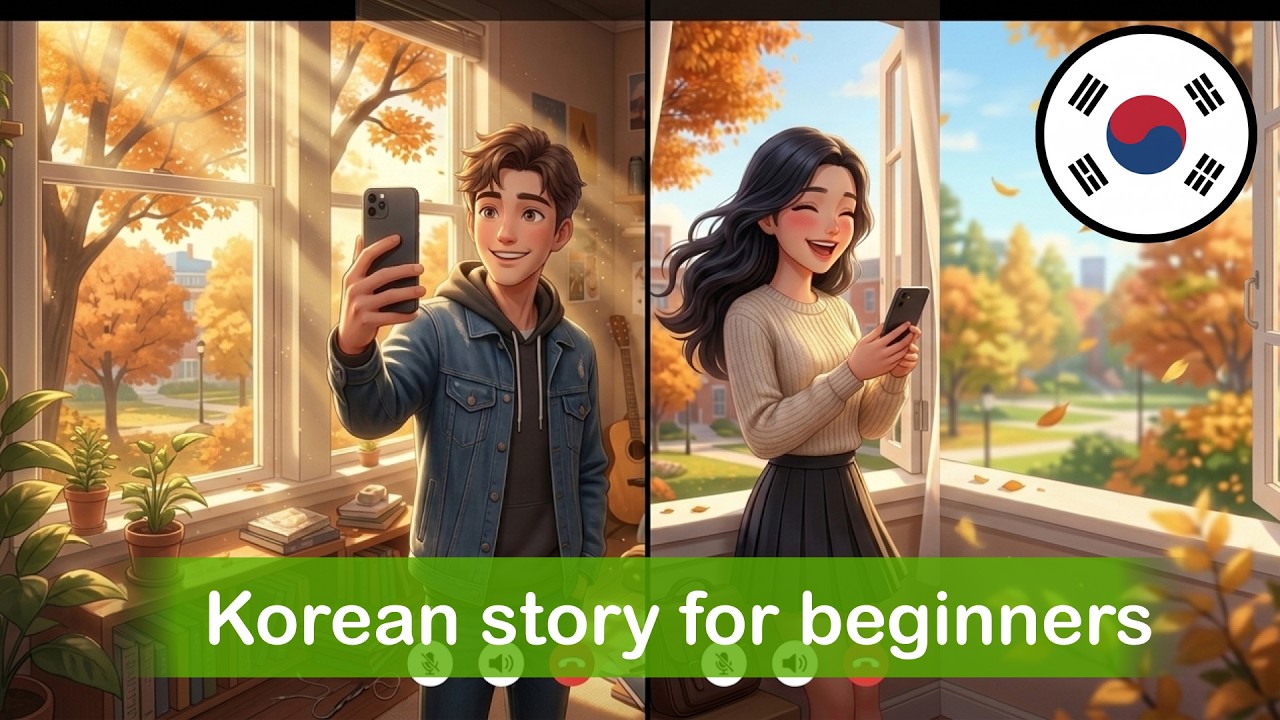
In this beginner Korean conversation, you’ll learn essential vocabulary for describing clothes, colors, and the weather. Follow along with Minjun and Seoyeon as they compliment each other’s outfits and make plans to enjoy a beautiful sunny day at the park.
💬 Video Transcript
민준: 서연 씨, 안녕하세요!
(Minjun: Seoyeon, hello!)
서연: 어, 민준 씨! 안녕하세요. 좋은 아침이에요.
(Seoyeon: Oh, Minjun! Hello. Good morning.)
민준: 네, 좋은 아침이에요. 오늘 날씨가 정말 좋아요.
(Minjun: Yes, good morning. The weather is really nice today.)
서연: 맞아요. 하늘이 아주 파래요. 그리고 따뜻해요.
(Seoyeon: That’s right. The sky is very blue. And it’s warm.)
민준: 그래서 오늘 기분이 좋아요. 서연 씨는요?
(Minjun: So I feel good today. How about you, Seoyeon?)
서연: 저도 기분이 아주 좋아요.
(Seoyeon: I feel very good too.)
민준: 서연 씨, 오늘 옷이 정말 예뻐요.
(Minjun: Seoyeon, your clothes are really pretty today.)
서연: 정말요? 고마워요, 민준 씨.
(Seoyeon: Really? Thank you, Minjun.)
민준: 네. 그건 노란색 원피스예요?
(Minjun: Yes. Is that a yellow dress?)
서연: 네, 맞아요. 저는 노란색을 좋아해요. 그래서 노란색 원피스를 입었어요.
(Seoyeon: Yes, that’s right. I like the color yellow. So I wore a yellow dress.)
민준: 아, 그렇군요. 노란색이 잘 어울려요.
(Minjun: Ah, I see. Yellow suits you well.)
서연: 민준 씨도 오늘 옷이 멋있어요.
(Seoyeon: Your clothes are cool today too, Minjun.)
민준: 하하, 고마워요.
(Minjun: Haha, thank you.)
서연: 민준 씨는 하얀색 티셔츠를 입었어요.
(Seoyeon: You’re wearing a white t-shirt, Minjun.)
민준: 네. 저는 하얀색 티셔츠를 좋아해요. 아주 편해요.
(Minjun: Yes. I like white t-shirts. They’re very comfortable.)
서연: 그리고 청바지를 입었어요. 파란색 청바지네요.
(Seoyeon: And you’re wearing jeans. They’re blue jeans.)
민준: 맞아요. 저는 파란색 청바지를 자주 입어요.
(Minjun: That’s right. I wear blue jeans often.)
서연: 저도 청바지를 좋아해요.
(Seoyeon: I like jeans too.)
민준: 아, 그리고 서연 씨 신발도 하얀색이네요.
(Minjun: Oh, and your shoes are white too, Seoyeon.)
서연: 네. 원피스랑 같이 샀어요. 하얀색 신발은 예뻐요.
(Seoyeon: Yes. I bought them with the dress. White shoes are pretty.)
민준: 맞아요. 저도 동의해요. 제 신발은 검은색이에요.
(Minjun: That’s right. I agree. My shoes are black.)
서연: 아, 검은색 운동화. 아주 편해 보여요.
(Seoyeon: Ah, black sneakers. They look very comfortable.)
민준: 네. 이 운동화는 정말 편해요. 그래서 매일 신어요.
(Minjun: Yes. These sneakers are really comfortable. So I wear them every day.)
서연: 우리는 오늘 옷에 대해서 이야기하네요. 재미있어요.
(Seoyeon: We’re talking about clothes today. It’s fun.)
민준: 네, 재미있어요. 서연 씨는 노란색 원피스와 하얀색 신발.
(Minjun: Yes, it’s fun. You have a yellow dress and white shoes, Seoyeon.)
서연: 맞아요. 그리고 민준 씨는 하얀색 티셔츠와 파란색 청바지, 그리고 검은색 운동화.
(Seoyeon: That’s right. And you have a white t-shirt, blue jeans, and black sneakers, Minjun.)
민준: 와, 완벽해요.
(Minjun: Wow, perfect.)
서연: 오늘 날씨가 좋으니까, 산책하고 싶어요.
(Seoyeon: Since the weather is nice today, I want to go for a walk.)
민준: 좋은 생각이에요. 우리 같이 공원에 갈까요?
(Minjun: That’s a good idea. Shall we go to the park together?)
서연: 와, 정말 좋아요! 공원에 가서 산책해요.
(Seoyeon: Wow, that’s great! Let’s go to the park and take a walk.)
민준: 네, 좋아요. 지금 바로 가요!
(Minjun: Okay, great. Let’s go right now!)
서연: 네, 지금 가요!
(Seoyeon: Yes, let’s go now!)
📝 Essential Vocabulary
Here are some of the key words and phrases from the video. Listen to the pronunciation and practice saying them yourself.
| Target Language | English Translation | Pronunciation |
|---|---|---|
| 날씨 | Weather | |
| 원피스 | (One-piece) Dress | |
| 티셔츠 | T-shirt | |
| 청바지 | Jeans | |
| 신발 | Shoes | |
| 운동화 | Sneakers | |
| 입다 | To wear (clothes) | |
| 신다 | To wear (shoes) | |
| 예쁘다 | To be pretty | |
| 멋있다 | To be cool/stylish |
🔍 Grammar Focus
Let’s look at two key grammar patterns from the dialogue that are essential for beginners.
1. Describing Things with Colors
In Korean, you describe an object’s color by putting the color word directly before the noun. The structure is Color + Noun. You’ll notice the word 색 (saek), meaning “color,” is often attached to the color name.
From the script:
- 노란색 원피스 (noran-saek wonpiseu) - yellow dress
- 하얀색 티셔츠 (hayan-saek tisyeocheu) - white t-shirt
- 파란색 청바지 (paran-saek cheongbaji) - blue jeans
- 검은색 운동화 (geomeun-saek undonghwa) - black sneakers
This is a simple and powerful pattern you can use to describe almost anything!
2. The Past Tense -았/었어요 Suffix
To talk about what you did in the past, like getting dressed this morning, you attach -았어요 (ass-eoyo) or -었어요 (eoss-eoyo) to the verb stem. The one you use depends on the last vowel of the verb stem.
In the dialogue, Seoyeon and Minjun describe what they are currently wearing using the past tense, because the action of putting on the clothes happened in the past.
입다 (ipda - to wear) -> 입었어요 (ib-eoss-eoyo) - I wore / I am wearing
서연: 그래서 노란색 원피스를 입었어요.
(Seoyeon: So I wore a yellow dress.)사다 (sada - to buy) -> 샀어요 (sass-eoyo) - I bought
서연: 원피스랑 같이 샀어요.
(Seoyeon: I bought them with the dress.)
This is the standard polite way to talk about past actions in everyday conversation.
🌍 Cultural Tip
🃏 Flip & Learn
Review the key vocabulary from this lesson with these flashcards.
Yellow dress
노란색 원피스
Blue jeans
파란색 청바지
To wear (clothes)
입다
The weather is nice
날씨가 좋아요
Shall we go to the park?
공원에 갈까요?
💡 Key Takeaways
Here are the most important points to remember from this lesson:
- Describing Outfits: Combine colors and clothing items like
하얀색 티셔츠(white t-shirt) and검은색 운동화(black sneakers). - Using
입다and신다: Use입다for wearing clothes (shirts, pants, dresses) and신다for wearing things on your feet (shoes, socks, sneakers). - Giving Compliments: You can say
예뻐요(it’s pretty) for clothes and people, and멋있어요(it’s cool/stylish) to compliment someone’s style. - Making Suggestions: Use the
-(으)ㄹ까요?ending to suggest an activity, like Minjun did with공원에 갈까요?(Shall we go to the park?).
🎯 Practice Quiz
Test your understanding of the dialogue and vocabulary.
Question
Question
Question
✍️ Fill in the Blanks
Let’s test your spelling and memory! Fill in the missing words below. Use correct spelling.
Fill in the blank
Fill in the blank
Support Us
Did you find this lesson helpful? Your support is what makes it possible for us to keep creating free, high-quality educational content.