Ordering Pizza in Italian: Expressing Tiredness & Hunger Dialogue 🍕
Learn how to express tiredness after a long day at work and order a pizza in this beginner Italian dialogue. Master key vocabulary for work, relaxation, and food.
In this beginner Italian lesson, you’ll learn practical vocabulary for a very common situation: feeling exhausted after work. Follow along with Matteo and Giulia as they discuss their day, decide how to relax, and solve the problem of hunger by ordering a pizza.
💬 Video Transcript
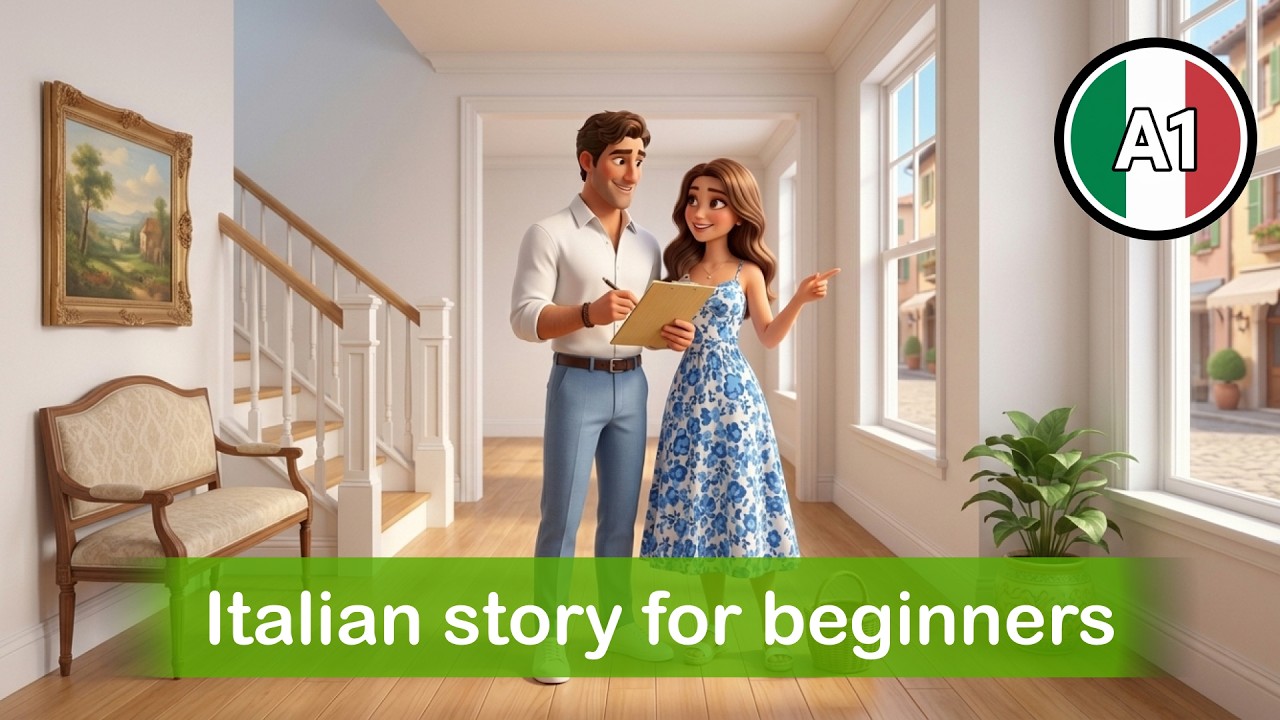
Matteo: Ciao, Giulia. Sono a casa.
(Matteo: Hi, Giulia. I’m home.)
Giulia: Ciao, Matteo! Come stai?
(Giulia: Hi, Matteo! How are you?)
Matteo: Uff… sono molto stanco.
(Matteo: Ugh… I’m very tired.)
Giulia: Oh, povero! Sei stanco? Perché?
(Giulia: Oh, poor thing! You’re tired? Why?)
Matteo: Oggi ho lavorato molto. Tanto, tanto lavoro.
(Matteo: I worked a lot today. Lots and lots of work.)
Giulia: Capisco. Il lavoro è faticoso. Cosa fai al lavoro, Matteo?
(Giulia: I understand. Work is tiring. What do you do at work, Matteo?)
Matteo: Lavoro in un ufficio. Scrivo molte email.
(Matteo: I work in an office. I write a lot of emails.)
Giulia: Scrivi email. E poi?
(Giulia: You write emails. And then?)
Matteo: E parlo al telefono. Tante telefonate. Tutto il giorno.
(Matteo: And I talk on the phone. So many phone calls. All day long.)
Giulia: Ah, quindi scrivi e parli molto. Per questo sei stanco.
(Giulia: Ah, so you write and talk a lot. That’s why you’re tired.)
Matteo: Esatto. La mia testa è stanca. E anche le mie gambe sono stanche.
(Matteo: Exactly. My head is tired. And my legs are tired too.)
Giulia: Povero amore. Ti piace il tuo lavoro?
(Giulia: Poor darling. Do you like your job?)
Matteo: Sì, il mio lavoro mi piace. Ma oggi… oggi è una giornata pesante.
(Matteo: Yes, I like my job. But today… today is a tough day.)
Giulia: Va bene. Adesso sei a casa. Adesso, relax.
(Giulia: Alright. You’re home now. Now, relax.)
Matteo: Sì, per favore. Voglio solo relax. Niente lavoro.
(Matteo: Yes, please. I just want to relax. No work.)
Giulia: Certo. Niente lavoro. Cosa vuoi fare per rilassarti?
(Giulia: Of course. No work. What do you want to do to relax?)
Matteo: Non lo so. Sono troppo stanco per pensare.
(Matteo: I don’t know. I’m too tired to think.)
Giulia: Va bene, penso io. Vuoi ascoltare un po’ di musica?
(Giulia: Okay, I’ll think. Do you want to listen to some music?)
Matteo: No, la musica è bella, ma oggi la mia testa è piena.
(Matteo: No, music is nice, but today my head is full.)
Giulia: Ok, niente musica. Allora… vuoi guardare un film?
(Giulia: Ok, no music. So… do you want to watch a movie?)
Matteo: Mmm, un film è una buona idea. Ma prima ho un problema.
(Matteo: Mmm, a movie is a good idea. But first I have a problem.)
Giulia: Un problema? Quale problema?
(Giulia: A problem? What problem?)
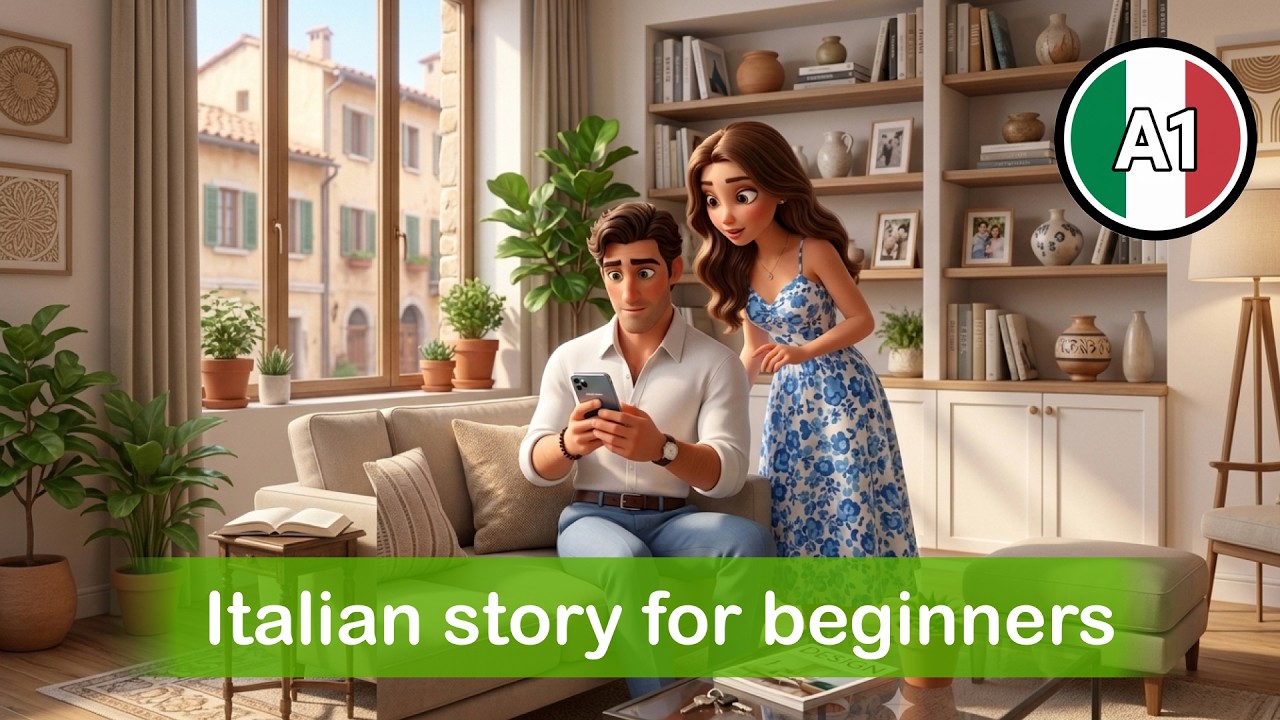
Matteo: Ho molta fame. La mia pancia è vuota.
(Matteo: I’m very hungry. My stomach is empty.)
Giulia: Ah, la fame! La fame è un grande problema! Ma ho la soluzione.
(Giulia: Ah, hunger! Hunger is a big problem! But I have the solution.)
Matteo: Davvero? Qual è la soluzione?
(Matteo: Really? What’s the solution?)
Giulia: La soluzione è… la pizza! Ordiniamo una pizza?
(Giulia: The solution is… pizza! Shall we order a pizza?)
Matteo: Una pizza? Giulia, sei un genio! È un’idea fantastica!
(Matteo: A pizza? Giulia, you’re a genius! That’s a fantastic idea!)
Giulia: Lo so! Allora, che pizza vuoi?
(Giulia: I know! So, what pizza do you want?)
Matteo: Voglio una pizza semplice. Una pizza margherita.
(Matteo: I want a simple pizza. A margherita pizza.)
Giulia: Perfetto. Anche io voglio una pizza margherita. È la mia pizza preferita.
(Giulia: Perfect. I also want a margherita pizza. It’s my favorite pizza.)
Matteo: Bene. Allora due pizze margherita.
(Matteo: Good. Then two margherita pizzas.)
Giulia: Sì, due margherita. E da bere? Cosa vuoi da bere?
(Giulia: Yes, two margheritas. And to drink? What do you want to drink?)
Matteo: Acqua, per favore. Acqua naturale.
(Matteo: Water, please. Still water.)
Giulia: Acqua naturale anche per me. Semplice.
(Giulia: Still water for me too. Simple.)
Matteo: Ottimo. Allora, pizza e acqua. Una cena perfetta.
(Matteo: Excellent. So, pizza and water. A perfect dinner.)
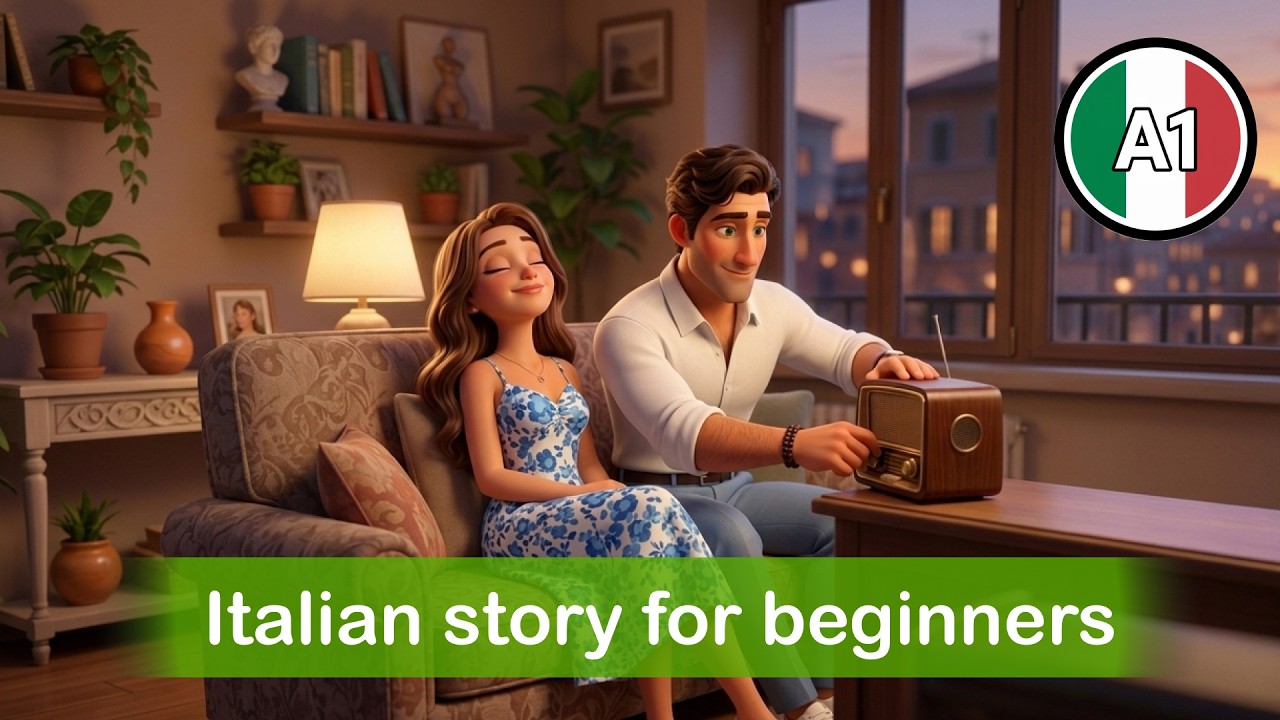
Giulia: Sì. Allora, tu vai sul divano. Riposa. Metti i piedi su.
(Giulia: Yes. So, you go to the couch. Rest. Put your feet up.)
Matteo: Vado sul divano? Davvero?
(Matteo: I go to the couch? Really?)
Giulia: Certo, vai. Io chiamo la pizzeria. Io ordino le pizze.
(Giulia: Of course, go. I’ll call the pizzeria. I’ll order the pizzas.)
Matteo: Grazie, Giulia. Sei la migliore.
(Matteo: Thanks, Giulia. You’re the best.)
Giulia: Prego, Matteo. Adesso, relax. La pizza arriva presto.
(Giulia: You’re welcome, Matteo. Now, relax. The pizza will arrive soon.)
📝 Essential Vocabulary
Here are some key words and phrases from the dialogue. Listen to the pronunciation and practice them yourself!
| Italian | English Translation | Pronunciation |
|---|---|---|
| Stanco / Stanca | Tired | |
| Lavoro | Work / Job | |
| Faticoso | Tiring / Strenuous | |
| Ho fame | I’m hungry | |
| La soluzione | The solution | |
| Ordinare | To order | |
| Da bere | To drink | |
| Divano | Sofa / Couch |
🔍 Grammar Focus
Let’s look at two important grammar patterns from the dialogue.
1. Using essere (to be) with Adjectives
In Italian, you use the verb essere (to be) to describe states and feelings, just like in English. A key difference is that Italian adjectives must agree in gender and number with the noun they describe.
Notice how Matteo says sono molto stanc<strong>o</strong> (I am very tired). He uses the masculine ending -o because he is male. If Giulia were tired, she would say sono molto stanc<strong>a</strong>, with the feminine ending -a.
Here are some examples from the script:
- Matteo: Sono molto stanco. (masculine singular)
- Giulia: Sei stanco? (speaking to Matteo)
- Matteo: La mia testa è stanca. (
testais a feminine noun) - Matteo: Le mie gambe sono stanche. (
gambeis a feminine plural noun) - Giulia: Il lavoro è faticoso. (
lavorois a masculine noun)
2. Expressing Hunger with avere fame
In English, we say “I am hungry,” using the verb ’to be’. In Italian, you use the verb avere (to have) and say “I have hunger.” This is a very common structure for physical states.
From the dialogue:
- Matteo: Ho molta fame.
- Literally: I have much hunger.
- Meaning: I’m very hungry.
Remember this pattern: avere + fame. Don’t try to say sono fame, as it is incorrect!
🌍 Cultural Tip
🃏 Flip & Learn
Practice the key phrases from this lesson with these flashcards.
I am very tired.
Sono molto stanco.
I'm very hungry.
Ho molta fame.
Shall we order a pizza?
Ordiniamo una pizza?
What do you want to drink?
Cosa vuoi da bere?
You're a genius!
Sei un genio!
💡 Key Takeaways
Here are the most important points to remember from this lesson:
- To say you are tired, use
essere stanco(for a male speaker) oressere stanca(for a female speaker). - In Italian, you “have hunger” (
avere fame), not “are hungry.” - To make a suggestion, you can use the question form of a verb, like Giulia does:
Ordiniamo una pizza?(Shall we order a pizza?). - When ordering, use the verb
volere(to want):Voglio una pizza margherita(I want a margherita pizza). Acqua naturalemeans still water, whileacqua frizzantewould mean sparkling water.
🎯 Practice Quiz
Test your understanding of the dialogue and vocabulary with these questions.
Question
Question
Question
✍️ Fill in the Blanks
Let’s test your spelling and memory! Fill in the missing words below. Use correct spelling.
Fill in the blank
Fill in the blank
Support Us
Did you find this lesson helpful? Your support is what makes it possible for us to keep creating free, high-quality educational content.