Assembling Furniture in Italian: DIY Dialogue & Instructions 🛠️
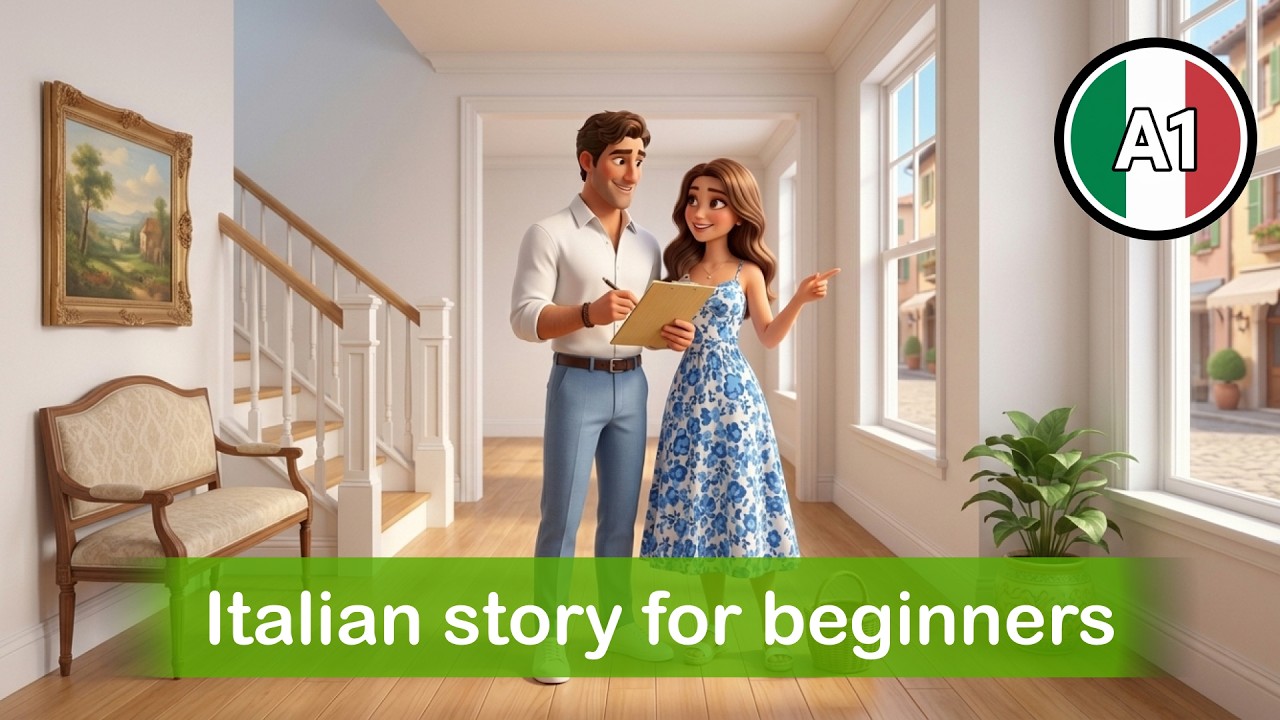
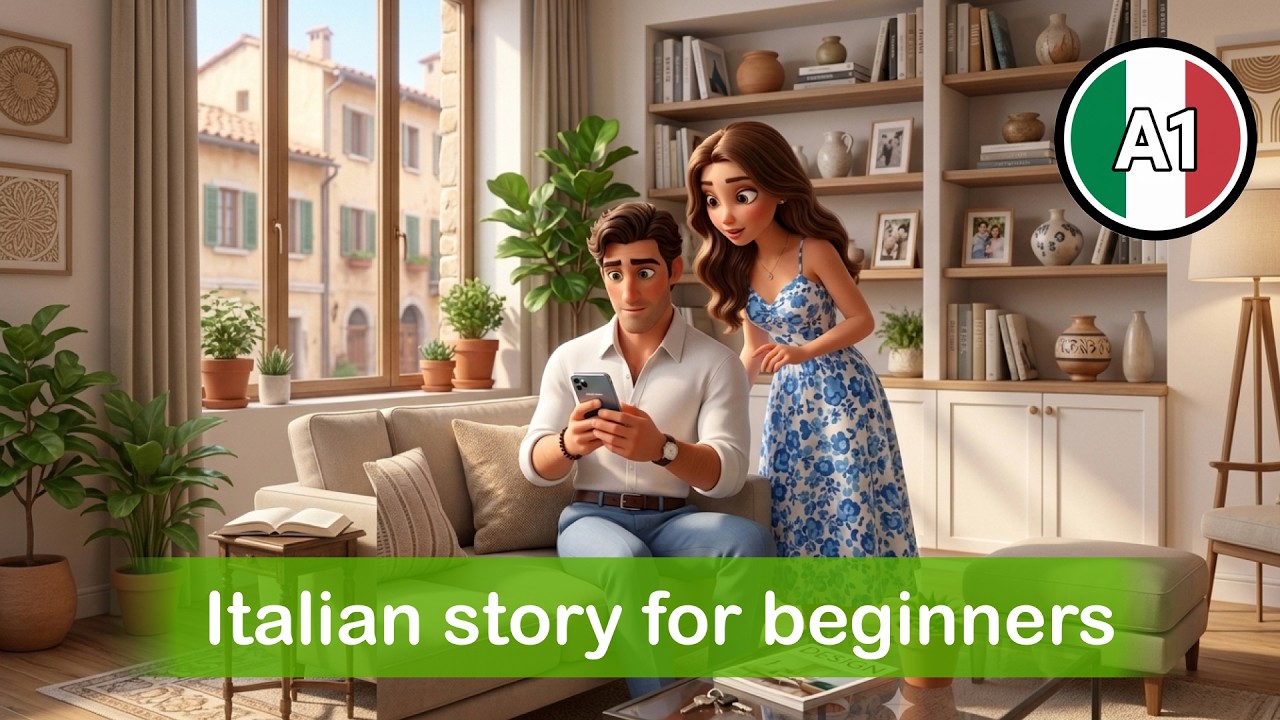
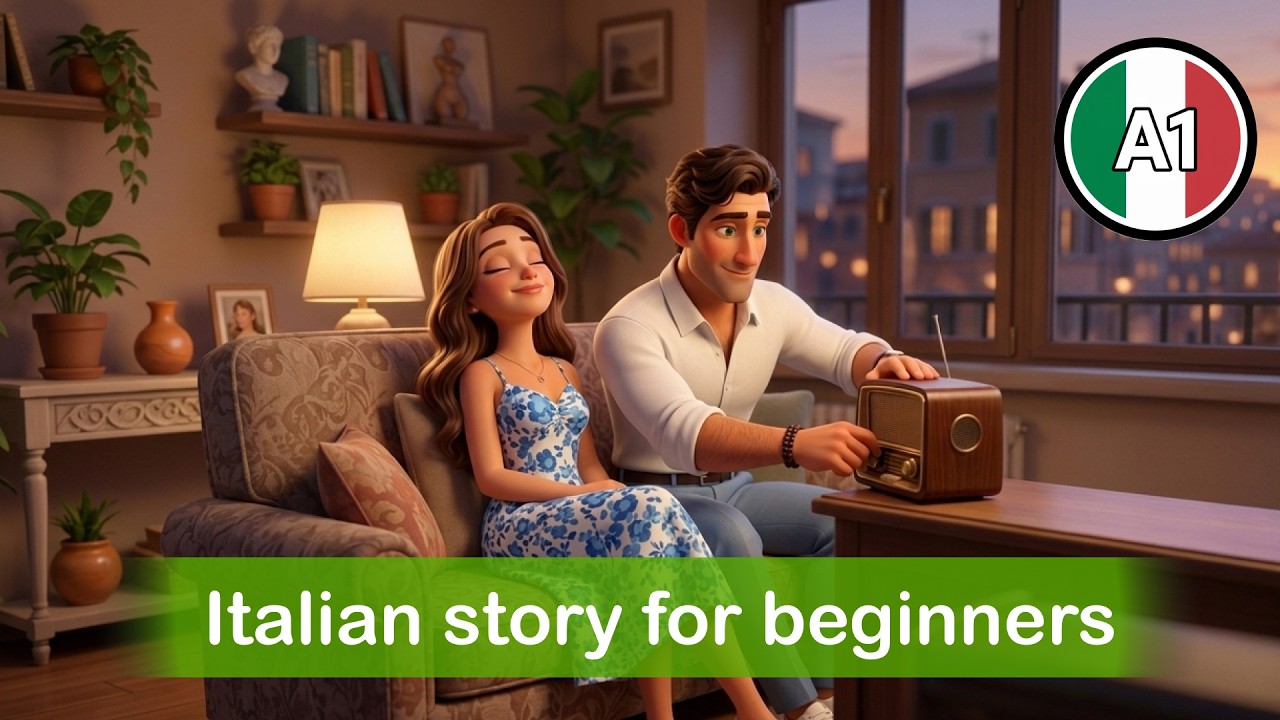
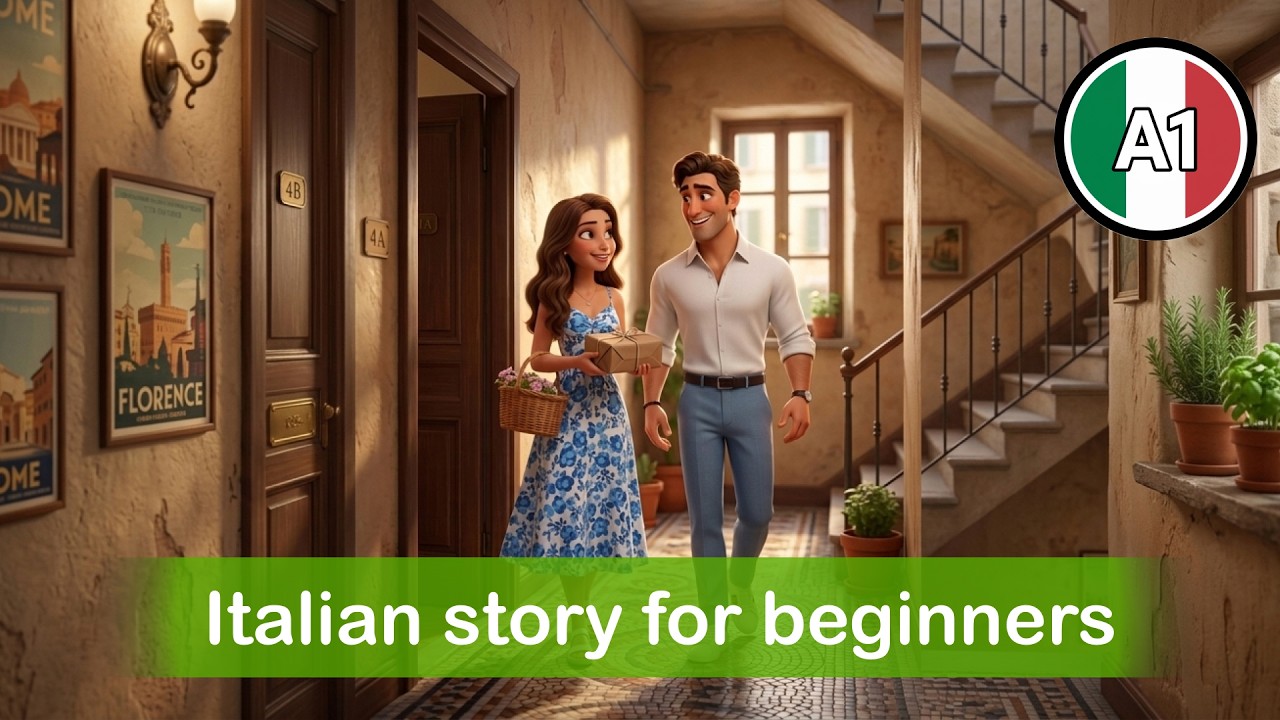
Learn practical Italian vocabulary for furniture and instructions with this slow, easy-to-follow conversation. Follow along as Giulia and Matteo assemble a new coffee table.
Ever wondered how to talk about a simple DIY project in Italian? Join Giulia and Matteo in this slow and clear conversation as they unbox and assemble a new coffee table for their living room. You’ll learn essential vocabulary for furniture, tools, and giving and following simple instructions.
💬 Video Transcript
Giulia: Ciao, Matteo! Guarda! La scatola è qui.
(Giulia: Hi, Matteo! Look! The box is here.)
Matteo: Ciao, Giulia! Che bella scatola grande! Cosa c’è dentro?
(Matteo: Hi, Giulia! What a nice big box! What’s inside?)
Giulia: Dentro c’è il nostro tavolino nuovo. Il tavolino per il salotto.
(Giulia: Inside is our new coffee table. The coffee table for the living room.)
Matteo: Fantastico! Apriamo la scatola. Sono curioso.
(Matteo: Fantastic! Let’s open the box. I’m curious.)
Giulia: Sì, apriamo subito. Attento, è pesante.
(Giulia: Yes, let’s open it right away. Careful, it’s heavy.)
Matteo: Non ti preoccupare. Sono forte. Ecco. Aperta!
(Matteo: Don’t worry. I’m strong. There. Opened!)
Giulia: Bravo! Vediamo cosa c’è dentro… Oh. Ci sono molti pezzi.
(Giulia: Well done! Let’s see what’s inside… Oh. There are many pieces.)
Matteo: Sì. Vedo quattro gambe. E vedo il piano del tavolo. È di legno.
(Matteo: Yes. I see four legs. And I see the tabletop. It’s made of wood.)
Giulia: È molto bello. Guarda, ci sono anche le viti.
(Giulia: It’s very nice. Look, there are the screws too.)
Matteo: E queste? Cosa sono? Ah, le istruzioni. Bene!
(Matteo: And these? What are they? Ah, the instructions. Good!)
Giulia: Bene! Allora, tu leggi le istruzioni e io prendo i pezzi. Va bene?
(Giulia: Good! So, you read the instructions and I’ll get the pieces. Okay?)
Matteo: No, no. Io sono bravo a montare le cose. Io monto e tu leggi. Per favore!
(Matteo: No, no. I’m good at assembling things. I’ll assemble and you read. Please!)
Giulia: Va bene, va bene. Allora, leggo io. Passo numero uno.
(Giulia: Okay, okay. So, I’ll read. Step number one.)
Matteo: Sono pronto. Cosa dice il passo numero uno?
(Matteo: I’m ready. What does step number one say?)
Giulia: Dice: ‘Prendere il piano del tavolo’.
(Giulia: It says: ‘Take the tabletop’.)
Matteo: Fatto. Ho il piano del tavolo. È qui.
(Matteo: Done. I have the tabletop. It’s here.)
Giulia: Bene. Adesso, dice: ‘Prendere una gamba’.
(Giulia: Good. Now, it says: ‘Take one leg’.)
Matteo: Fatto. Ho una gamba. È questa. È bella.
(Matteo: Done. I have a leg. It’s this one. It’s nice.)
Giulia: Sì, è bella. Ora, attenzione Matteo. Dice: ‘Mettere la gamba qui’. Vedi la foto?
(Giulia: Yes, it’s nice. Now, pay attention Matteo. It says: ‘Put the leg here’. Do you see the photo?)
Matteo: Aspetta… Mettere la gamba… qui?
(Matteo: Wait… Put the leg… here?)
Giulia: No, Matteo! Non lì! Quello è il centro! Guarda bene la foto. La gamba va nell’angolo.
(Giulia: No, Matteo! Not there! That’s the center! Look at the photo carefully. The leg goes in the corner.)
Matteo: Ah! Sì, ora vedo. Scusa. Allora, la gamba va qui, nell’angolo.
(Matteo: Ah! Yes, now I see. Sorry. So, the leg goes here, in the corner.)
Giulia: Esatto! Bravo. Ora, passo numero due.
(Giulia: Exactly! Well done. Now, step number two.)
Matteo: Aspetta! Manca qualcosa. La gamba non sta su da sola.
(Matteo: Wait! Something is missing. The leg doesn’t stay up by itself.)
Giulia: Hai ragione. Leggo. ‘Prendere una vite. Avvitare la gamba’.
(Giulia: You’re right. I’m reading. ‘Take a screw. Screw in the leg’.)
Matteo: Perfetto. Ho una vite. Avvito la gamba. Ecco fatto! Una gamba è montata!
(Matteo: Perfect. I have a screw. I’m screwing in the leg. There we go! One leg is assembled!)
Giulia: Molto bene! Vedi? È facile.
(Giulia: Very good! See? It’s easy.)
Matteo: Sì, è facile con le tue istruzioni. Adesso la seconda gamba.
(Matteo: Yes, it’s easy with your instructions. Now for the second leg.)
Giulia: Ok. La stessa cosa. Prendi la seconda gamba.
(Giulia: Ok. The same thing. Take the second leg.)
Matteo: Prendo la seconda gamba. Ecco.
(Matteo: I’m taking the second leg. Here.)
Giulia: Metti la gamba nel secondo angolo.
(Giulia: Put the leg in the second corner.)
Matteo: Metto la gamba qui.
(Matteo: I’m putting the leg here.)
Giulia: Perfetto. E adesso?
(Giulia: Perfect. And now?)
Matteo: Adesso… prendo una vite e avvito la gamba!
(Matteo: Now… I take a screw and screw in the leg!)
Giulia: Bravissimo! Hai imparato!
(Giulia: Excellent! You’ve learned!)
Matteo: Fatto! Due gambe montate! Il nostro tavolino è quasi pronto.
(Matteo: Done! Two legs assembled! Our coffee table is almost ready.)
Giulia: Forza, mancano solo due gambe. Ora la terza gamba.
(Giulia: Come on, only two legs left. Now the third leg.)
Matteo: Prendo la terza gamba. La metto nell’angolo. Prendo una vite. Avvito. Fatto!
(Matteo: I take the third leg. I put it in the corner. I take a screw. I screw it in. Done!)
Giulia: Sei velocissimo, Matteo!
(Giulia: You’re very fast, Matteo!)
Matteo: Ho capito come funziona. È un sistema facile.
(Matteo: I’ve understood how it works. It’s an easy system.)
Giulia: Manca l’ultima gamba. La quarta gamba.
(Giulia: The last leg is missing. The fourth leg.)
Matteo: Ok. Gamba numero quattro. Angolo numero quattro. Vite numero quattro. Fatto!
(Matteo: Ok. Leg number four. Corner number four. Screw number four. Done!)
Giulia: Finito! Matteo, abbiamo finito! Il tavolino è montato!
(Giulia: Finished! Matteo, we’ve finished! The coffee table is assembled!)
Matteo: Che bello! Giriamo il tavolino. Piano… piano…
(Matteo: How nice! Let’s turn the table over. Slowly… slowly…)
Giulia: È perfetto! È stabile. Le quattro gambe sono forti.
(Giulia: It’s perfect! It’s stable. The four legs are strong.)
Matteo: Mi piace molto. È un bel tavolino. Siamo stati bravi.
(Matteo: I like it a lot. It’s a nice coffee table. We did a good job.)
Giulia: Sì, siamo una bella squadra. Ora il salotto è più bello.
(Giulia: Yes, we’re a good team. Now the living room is nicer.)
Matteo: Ho un’idea. Adesso prepariamo un buon caffè.
(Matteo: I have an idea. Now let’s prepare a good coffee.)
Giulia: E beviamo il caffè sul nostro tavolino nuovo!
(Giulia: And we’ll drink the coffee on our new coffee table!)
Matteo: Ottima idea, Giulia! Vado a preparare il caffè.
(Matteo: Excellent idea, Giulia! I’m going to make the coffee.)
📝 Essential Vocabulary
Here are some key words and phrases you’ll hear in the video. Practice them to better understand the conversation.
| Target Language | English Translation | Pronunciation |
|---|---|---|
| Il tavolino | The coffee table | |
| La scatola | The box | |
| I pezzi | The pieces | |
| Le gambe | The legs | |
| Le viti | The screws | |
| Le istruzioni | The instructions | |
| Montare | To assemble | |
| Avvitare | To screw in | |
| Nell’angolo | In the corner |
🔍 Grammar Focus
This conversation is a great example of how to give and receive instructions in Italian. Let’s look at the grammar behind it.
Giving Commands: The Imperative (L’imperativo)
When you want to tell someone to do something, you use the imperative mood. In the dialogue, Giulia gives Matteo instructions using the informal tu (you) form.
To form the tu imperative for most verbs, you use the lui/lei (he/she) form of the present tense.
- Prendere (to take) ->
lui/lei prende-> Imperative: Prendi! - Mettere (to put) ->
lui/lei mette-> Imperative: Metti!
Notice how Giulia uses this form throughout the instructions:
- “Prendi la seconda gamba.” (Take the second leg.)
- “Metti la gamba nel secondo angolo.” (Put the leg in the second corner.)
For suggesting a shared action (“Let’s…”), Italian uses the noi (we) form of the present tense.
- “Apriamo la scatola.” (Let’s open the box.)
- “Giriamo il tavolino.” (Let’s turn the table over.)
🌍 Cultural Tip
🃏 Flip & Learn
Use these flashcards to test your memory of key phrases and vocabulary from the video.
The coffee table
Il tavolino
To assemble the pieces
Montare i pezzi
Take a screw
Prendere una vite
Let's open the box
Apriamo la scatola
💡 Key Takeaways
Here are the most important points to remember from this lesson:
- Furniture Vocabulary: You’ve learned essential words for a common piece of furniture:
il tavolino(coffee table),le gambe(legs),il piano del tavolo(the tabletop), andle viti(screws). - Action Verbs: You can now use key verbs for building and handling objects, like
montare(to assemble),avvitare(to screw in),prendere(to take), andmettere(to put). - Giving Instructions: To give an informal command to one person, use the
tuform of the imperative, likeGuarda!(Look!),Prendi!(Take!),Metti!(Put!). - Suggesting Teamwork: To say “Let’s do something,” use the
noi(we) form of the verb, such asApriamo(Let’s open) andGiriamo(Let’s turn over). - Expressing Success: Learn phrases to celebrate completing a task, like
Fatto!(Done!),Abbiamo finito!(We’ve finished!), andSiamo una bella squadra(We’re a good team).
🎯 Practice Quiz
Test your understanding of the vocabulary and grammar from the conversation.
Question
Question
Question
✍️ Fill in the Blanks
Let’s test your spelling and memory! Fill in the missing words below. Use correct spelling.
Fill in the blank
Fill in the blank
Support Us
Did you find this lesson helpful? Your support is what makes it possible for us to keep creating free, high-quality educational content.