Talking About Past Events in Italian: Passato Prossimo & Nonna's Story 🏺
Learn Italian with a heartwarming story about a broken vase. Master the 'passato prossimo' tense and key vocabulary through Matteo and Giulia's creative solution.
In this lesson, you’ll improve your Italian listening and reading skills with a beautiful story about turning something broken into a work of art. You will learn key vocabulary for describing objects and emotions, and see the Italian past tense, the passato prossimo, used in a natural context.
💬 Video Transcript
Follow along with the video’s dialogue. The Italian is first, with the English translation just below it.
Matteo: Domenica scorsa, sono andato a visitare mia nonna, Nonna Sofia. Lei abita in una piccola casa con un bel giardino. Mi piace molto passare del tempo con lei. Parliamo e lei mi prepara sempre una torta deliziosa.
(Matteo: Last Sunday, I went to visit my grandmother, Nonna Sofia. She lives in a small house with a beautiful garden. I really like spending time with her. We talk and she always makes me a delicious cake.)
Matteo: Ma quella domenica era diversa. Quando sono entrato nel salotto, ho visto che Nonna Sofia era triste.
(Matteo: But that Sunday was different. When I entered the living room, I saw that Nonna Sofia was sad.)
Matteo: «Nonna, che succede?», ho chiesto.
(Matteo: “Nonna, what’s wrong?”, I asked.)
Nonna Sofia: Lei ha indicato un piccolo tavolo. Sul tavolo c’era il suo vaso preferito. Ma il vaso era rotto. Era in tre grandi pezzi.
(Nonna Sofia: She pointed to a small table. On the table was her favorite vase. But the vase was broken. It was in three big pieces.)
Matteo: «Oh no!», ho detto. «Cosa è successo?».
(Matteo: “Oh no!”, I said. “What happened?”.)
Nonna Sofia: «Un incidente, mio caro Matteo. Stavo pulendo ed è caduto. Era un regalo di tuo nonno», ha detto a bassa voce. I suoi occhi erano tristi.
(Nonna Sofia: “An accident, my dear Matteo. I was cleaning and it fell. It was a gift from your grandfather,” she said in a low voice. Her eyes were sad.)
Matteo: Mi dispiaceva molto per lei. Quel vaso era importante. Ho avuto un’idea.
(Matteo: I felt very sorry for her. That vase was important. I had an idea.)
Matteo: «Nonna, posso prendere i pezzi? Forse posso ripararlo».
(Matteo: “Nonna, can I take the pieces? Maybe I can fix it.”)
Nonna Sofia: Lei ha sorriso un po’. «Puoi provare, tesoro».
(Nonna Sofia: She smiled a little. “You can try, sweetie.”)
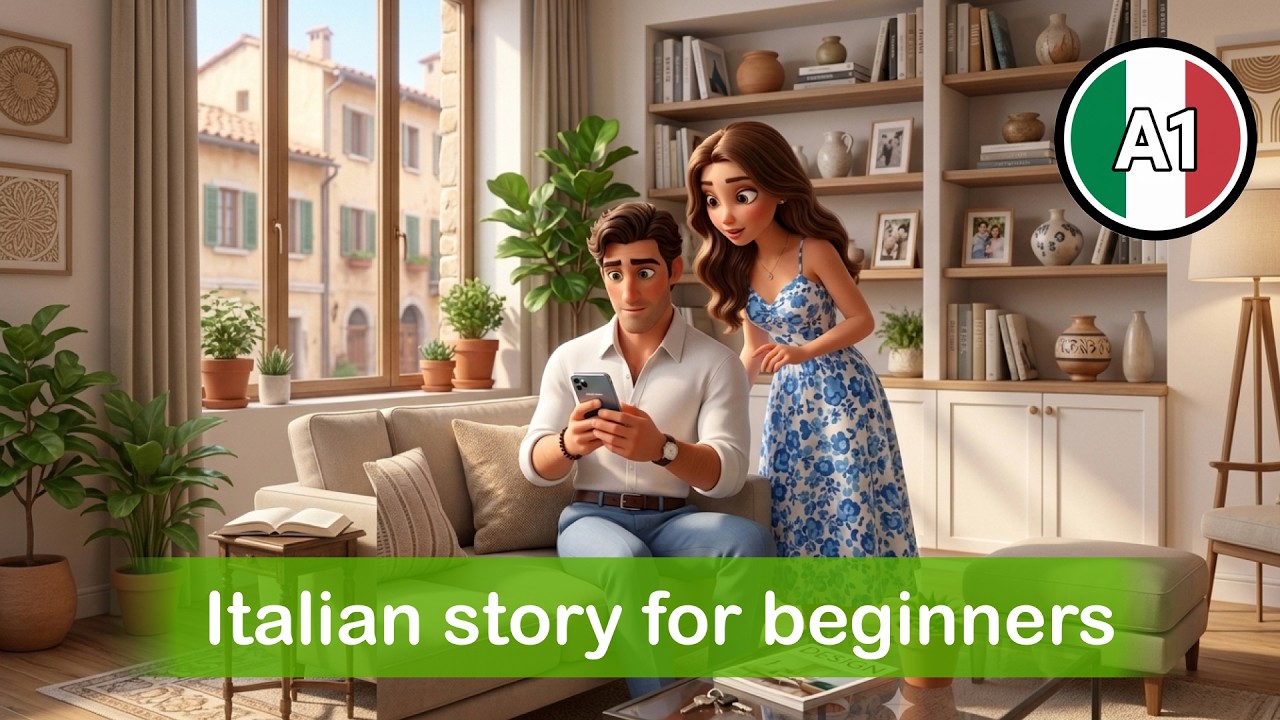
Matteo: Ho portato i pezzi rotti a casa con molta attenzione. Li ho mostrati alla mia ragazza, Giulia.
(Matteo: I took the broken pieces home very carefully. I showed them to my girlfriend, Giulia.)
Matteo: «Guarda, Giulia. Il vaso della nonna è rotto. È molto triste».
(Matteo: “Look, Giulia. Nonna’s vase is broken. She is very sad.”)
Matteo: Giulia è un’artista. Lei è molto creativa. Ha guardato i pezzi per molto tempo.
(Matteo: Giulia is an artist. She is very creative. She looked at the pieces for a long time.)
Giulia: Poi, ha detto: «Matteo, ho un’idea meravigliosa. Non lo ripariamo e basta. Lo rendiamo più bello».
(Giulia: Then, she said: “Matteo, I have a wonderful idea. We won’t just repair it. We will make it more beautiful.”)
Matteo: Il giorno dopo, abbiamo comprato una colla speciale e della vernice dorata. Prima, abbiamo unito i pezzi con molta attenzione. Abbiamo aspettato che la colla fosse asciutta. Il vaso era di nuovo intero, ma si vedevano le linee della rottura.
(Matteo: The next day, we bought special glue and some golden paint. First, we joined the pieces very carefully. We waited for the glue to be dry. The vase was whole again, but you could see the lines of the break.)
Matteo: A quel punto, Giulia ha preso un piccolo pennello e la vernice dorata. Ha dipinto delle linee sottili e dorate sopra le crepe. Sembrava che il vaso avesse delle vene d’oro. Era incredibile. Non era solo un vaso riparato. Era un’opera d’arte.
(Matteo: At that point, Giulia took a small brush and the golden paint. She painted thin, golden lines over the cracks. It looked like the vase had veins of gold. It was incredible. It wasn’t just a repaired vase. It was a work of art.)
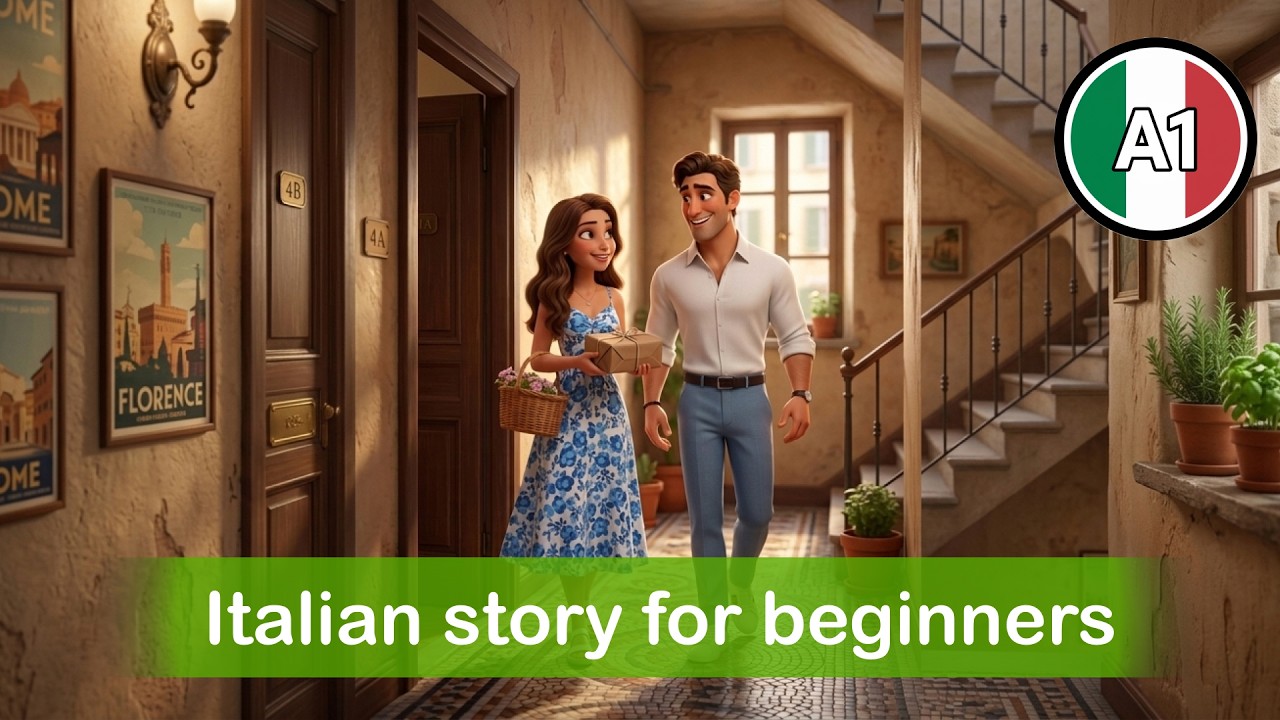
Matteo: Il fine settimana successivo, siamo tornati a casa di Nonna Sofia. Tenevo il vaso tra le mani.
(Matteo: The next weekend, we went back to Nonna Sofia’s house. I was holding the vase in my hands.)
Matteo: «Nonna, abbiamo una sorpresa per te».
(Matteo: “Nonna, we have a surprise for you.”)
Matteo: Le ho mostrato il vaso. Lei lo ha guardato e i suoi occhi sono diventati grandi. Lo ha preso tra le mani. Un grande sorriso è apparso sul suo viso.
(Matteo: I showed her the vase. She looked at it and her eyes grew wide. She took it in her hands. A big smile appeared on her face.)
Nonna Sofia: «È bellissimo! È ancora più bello di prima!», ha esclamato. «Ora, ogni volta che vedrò queste linee d’oro, penserò a te e a tuo nonno. Grazie, miei cari ragazzi».
(Nonna Sofia: “It’s beautiful! It’s even more beautiful than before!”, she exclaimed. “Now, every time I see these golden lines, I will think of you and your grandfather. Thank you, my dear children.”)
Matteo: Ci ha dato un grande abbraccio. Vedere la sua felicità è stato il regalo più bello di tutti.
(Matteo: She gave us a big hug. Seeing her happiness was the most beautiful gift of all.)
📝 Essential Vocabulary
Here are some important words from the story. Listen to the pronunciation to improve your accent.
| Target Language | English Translation | Pronunciation |
|---|---|---|
| Il vaso | The vase | |
| Rotto | Broken | |
| Triste | Sad | |
| Riparare | To repair | |
| Un’idea | An idea | |
| La colla | The glue | |
| La vernice dorata | The golden paint | |
| Le crepe | The cracks |
🔍 Grammar Focus
This story is perfect for practicing the passato prossimo, the most common Italian past tense used to talk about finished actions.
The Passato Prossimo
The passato prossimo is a compound tense, meaning it has two parts: an auxiliary (helping) verb and a past participle.
Structure: avere or essere (in the present tense) + past participle
You can see this pattern throughout the story:
- ho visto che Nonna Sofia era triste. (I saw that Nonna Sofia was sad.)
- Here,
hois theioform ofavere, andvistois the past participle ofvedere(to see).
- Here,
- ho avuto un’idea. (I had an idea.)
hois fromavere, andavutois the past participle ofavere(to have).
- Giulia ha preso un piccolo pennello. (Giulia took a small brush.)
hais theleiform ofavere, andpresois the past participle ofprendere(to take).
Some verbs, especially verbs of motion, use essere as the auxiliary verb. Notice the difference:
- sono andato a visitare mia nonna. (I went to visit my grandmother.)
sonois theioform ofessere, andandatois the past participle ofandare(to go).
- il vaso è caduto. (the vase fell.)
èis thelui/leiform ofessere, andcadutois the past participle ofcadere(to fall).
When you use essere, the ending of the past participle must agree in gender and number with the subject. In the example il vaso è cadut**o**, the -o ending matches il vaso (masculine singular).
🌍 Cultural Tip
🃏 Flip & Learn
Use these flashcards to test your memory of key phrases from the story.
What happened?
Cosa è successo?
I had an idea.
Ho avuto un'idea.
It was a gift from your grandfather.
Era un regalo di tuo nonno.
It's even more beautiful than before!
È ancora più bello di prima!
💡 Key Takeaways
Here are the most important points to remember from this lesson:
- Vocabulary is Contextual: You learned words like
vaso,rotto,colla, andcrepewithin a memorable story, which helps you recall them more easily. - Passato Prossimo in Action: This story is filled with examples of the passato prossimo tense, showing how Italians talk about events in the recent past.
- Avere vs. Essere: You saw that most action verbs use
avere(e.g.,ho visto,ha detto), while verbs of motion or state of being useessere(e.g.,sono andato,è caduto). - The Art of Repair: The story is inspired by the Japanese art of Kintsugi, where broken pottery is repaired with gold, embracing the object’s history and imperfections to make it more beautiful.
🎯 Practice Quiz
Test your understanding of the vocabulary and grammar from the lesson.
Question
Question
Question
✍️ Fill in the Blanks
Let’s test your spelling and memory! Fill in the missing words below. Use correct spelling.
Fill in the blank
Fill in the blank
Support Us
Did you find this lesson helpful? Your support is what makes it possible for us to keep creating free, high-quality educational content.