Searching for a Missing Cat in Italian: Prepositions of Place & Search Dialogue 🐈
Learn essential Italian for beginners with a fun story about a missing cat named Tigre. Practice describing objects, asking questions, and using prepositions of place.
Join Matteo and Giulia in a short and fun story as they search for their missing cat, Tigre. This lesson is perfect for beginners to practice real Italian conversation, learn how to describe things, and master common prepositions of place like “under,” “on,” and “behind.”
💬 Video Transcript
Giulia: Ciao Matteo! Come stai?
(Giulia: Hi Matteo! How are you?)
Matteo: Ciao Giulia. Non sto bene. Sono un po’ triste.
(Matteo: Hi Giulia. I’m not well. I’m a little sad.)
Giulia: Oh no! Perché sei triste, Matteo?
(Giulia: Oh no! Why are you sad, Matteo?)
Matteo: Il mio gatto, Tigre, non c’è. Non trovo il mio gatto.
(Matteo: My cat, Tigre, isn’t here. I can’t find my cat.)
Giulia: Il tuo gatto? Non è in casa?
(Giulia: Your cat? Isn’t he in the house?)
Matteo: Non lo so. Tigre non risponde. Io chiamo: “Tigre! Tigre!”, ma lui non viene.
(Matteo: I don’t know. Tigre doesn’t answer. I call: “Tigre! Tigre!”, but he doesn’t come.)
Giulia: Stai tranquillo. Cerchiamo Tigre insieme. Va bene?
(Giulia: Don’t worry. Let’s look for Tigre together. Okay?)
Matteo: Sì, grazie Giulia. Sei molto gentile.
(Matteo: Yes, thank you Giulia. You are very kind.)
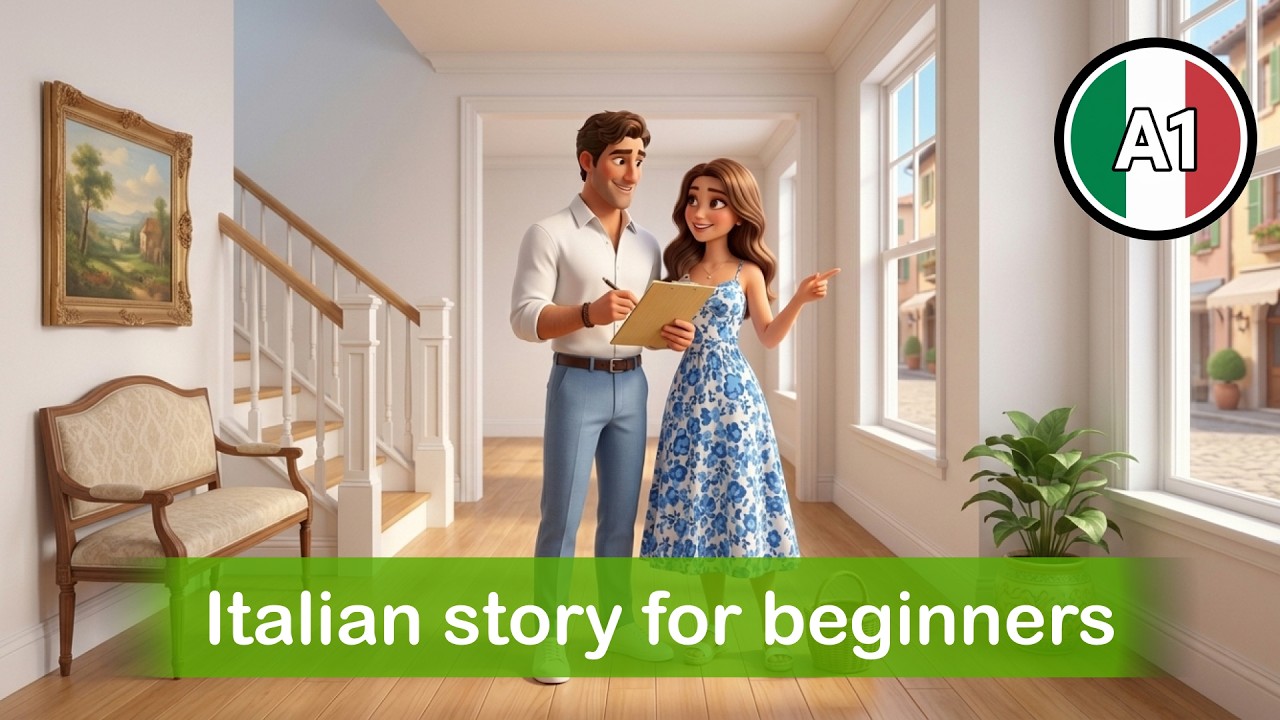
Giulia: Allora… com’è Tigre? È grande o piccolo?
(Giulia: So… what is Tigre like? Is he big or small?)
Matteo: Tigre è un gatto piccolo. È molto carino.
(Matteo: Tigre is a small cat. He is very cute.)
Giulia: E di che colore è?
(Giulia: And what color is he?)
Matteo: Tigre è tutto nero. Ha il pelo nero e morbido.
(Matteo: Tigre is all black. He has soft, black fur.)
Giulia: Un piccolo gatto nero. E gli occhi?
(Giulia: A small black cat. And his eyes?)
Matteo: Ha due grandi occhi verdi. Molto belli.
(Matteo: He has two big green eyes. Very beautiful.)
Giulia: Ok, un gatto piccolo, nero, con gli occhi verdi. Cerchiamo! Iniziamo dal salotto.
(Giulia: Ok, a small, black cat with green eyes. Let’s look! Let’s start in the living room.)
Matteo: Va bene. Iniziamo dal salotto. Tigre! Dove sei?
(Matteo: Okay. Let’s start in the living room. Tigre! Where are you?)
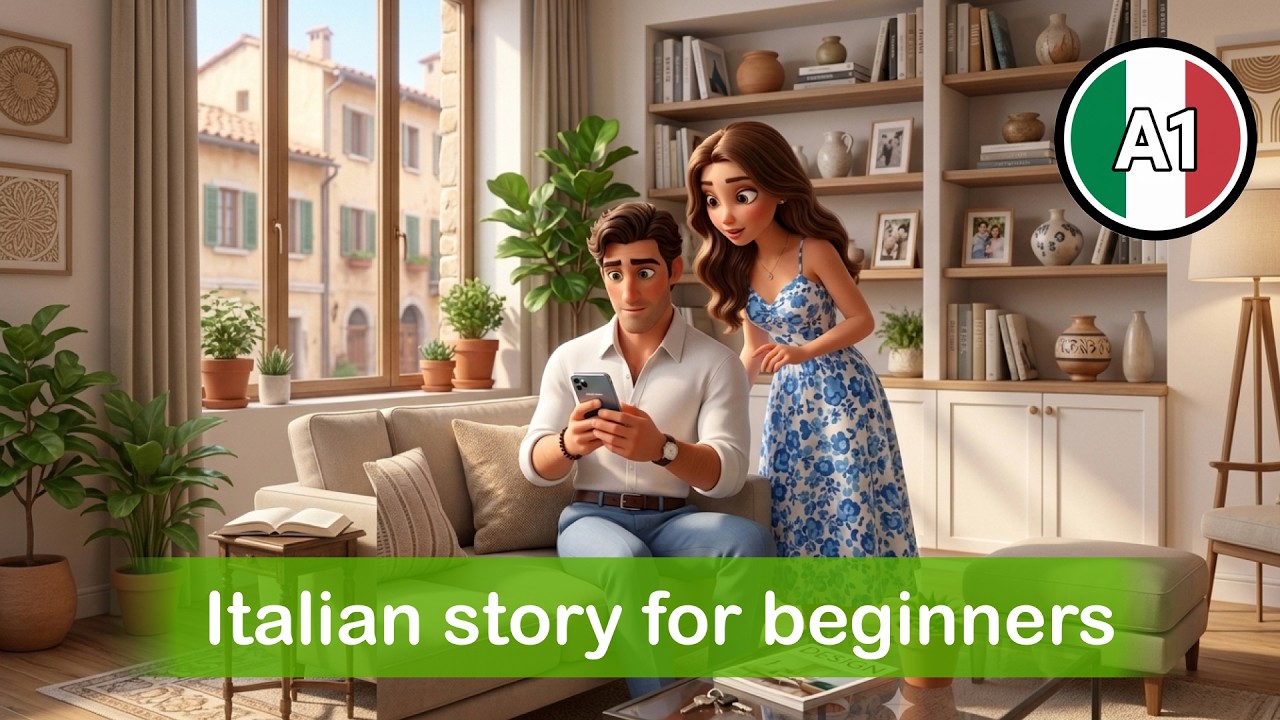
Giulia: Guardo dietro al divano… No, qui non c’è.
(Giulia: I’m looking behind the sofa… No, he’s not here.)
Matteo: Io guardo sulla poltrona… No, non è sulla poltrona.
(Matteo: I’m looking on the armchair… No, he’s not on the armchair.)
Giulia: Forse è sotto il tavolo?
(Giulia: Maybe he’s under the table?)
Matteo: Guardo io. No, Tigre non è sotto il tavolo. In salotto non c’è.
(Matteo: I’ll look. No, Tigre is not under the table. He’s not in the living room.)
Giulia: Ok. Andiamo in cucina. Forse ha fame.
(Giulia: Ok. Let’s go to the kitchen. Maybe he’s hungry.)
Matteo: Buona idea! Andiamo in cucina. Tigre, sei in cucina?
(Matteo: Good idea! Let’s go to the kitchen. Tigre, are you in the kitchen?)
Giulia: Guardo vicino alla finestra. No, non è qui.
(Giulia: I’m looking near the window. No, he’s not here.)
Matteo: Guardo dentro la sua cesta. La cesta è vuota.
(Matteo: I’m looking inside his basket. The basket is empty.)
Giulia: Non è neanche in cucina. Dove può essere?
(Giulia: He’s not in the kitchen either. Where can he be?)
Matteo: Forse… forse è in camera da letto? A lui piace dormire sul letto.
(Matteo: Maybe… maybe he is in the bedroom? He likes to sleep on the bed.)
Giulia: Certo! Andiamo in camera da letto. Tigre!
(Giulia: Of course! Let’s go to the bedroom. Tigre!)
Matteo: Guardo sul letto. Non c’è. Il letto è vuoto.
(Matteo: I’m looking on the bed. He’s not there. The bed is empty.)
Giulia: Che strano. Dove si nasconde?
(Giulia: How strange. Where is he hiding?)
Matteo: Aspetta… sento un rumore. Un piccolo rumore.
(Matteo: Wait… I hear a noise. A small noise.)
Giulia: Da dove viene il rumore?
(Giulia: Where is the noise coming from?)
Matteo: Viene da… sotto il letto! Guardo sotto il letto.
(Matteo: It’s coming from… under the bed! I’m looking under the bed.)
Giulia: Allora? Vedi qualcosa?
(Giulia: So? Do you see anything?)
Matteo: Sì! Eccolo! Giulia, è qui! Tigre è sotto il letto!
(Matteo: Yes! There he is! Giulia, he’s here! Tigre is under the bed!)
Giulia: Oh, finalmente! Sta bene?
(Giulia: Oh, finally! Is he okay?)
Matteo: Sì, sta benissimo. Dorme. Guarda come dorme tranquillo.
(Matteo: Yes, he’s perfectly fine. He’s sleeping. Look how peacefully he’s sleeping.)
Giulia: Che gatto buffo! Ci siamo preoccupati per niente.
(Giulia: What a funny cat! We worried for nothing.)
Matteo: Sono così felice adesso. Grazie mille per il tuo aiuto, Giulia.
(Matteo: I am so happy now. Thank you so much for your help, Giulia.)
Giulia: Prego, Matteo! Sono felice che Tigre sta bene. Adesso, lasciamo dormire il gatto nero con gli occhi verdi.
(Giulia: You’re welcome, Matteo! I’m happy that Tigre is well. Now, let’s let the black cat with green eyes sleep.)
📝 Essential Vocabulary
Here are some of the key words and phrases you’ll hear in the video. Listen and repeat to practice your pronunciation.
| Target Language | English Translation | Pronunciation |
|---|---|---|
| Il gatto | The cat | |
| Triste | Sad | |
| Cerchiamo | We look for / Let’s look for | |
| Piccolo | Small | |
| Nero | Black | |
| Occhi verdi | Green eyes | |
| Dietro | Behind | |
| Sulla | On the | |
| Sotto | Under | |
| Dentro | Inside |
🔍 Grammar Focus
This story uses simple but fundamental Italian grammar. Let’s look at two key concepts you can start using right away.
1. Describing Things: Noun-Adjective Agreement
In Italian, adjectives (describing words) usually come after the noun they describe. They must also “agree” with the noun’s gender (masculine/feminine) and number (singular/plural). Most masculine singular nouns and adjectives end in -o, and most feminine singular ones end in -a.
Notice how Matteo describes his cat, Tigre (il gatto, a masculine noun):
- Tigre è un gatto piccolo. (Tigre is a small cat.)
- Ha il pelo nero e morbido. (He has black and soft fur.)
When he looks at the cat’s basket (la cesta, a feminine noun), he notices:
- La cesta è vuota. (The basket is empty.)
2. Saying Where Things Are: Prepositions of Place
The whole story is a search, so Giulia and Matteo use many prepositions of place to say where they are looking. These are essential words for everyday conversation.
Here are the ones used in the dialogue:
- dietro (behind): Guardo dietro al divano. (I’m looking behind the sofa.)
- sulla (on the): Non è sulla poltrona. (He is not on the armchair.)
- sotto (under): Tigre non è sotto il tavolo. (Tigre is not under the table.)
- in (in): Andiamo in cucina. (Let’s go in the kitchen.)
- dentro (inside): Guardo dentro la sua cesta. (I’m looking inside his basket.)
- vicino (near): Guardo vicino alla finestra. (I’m looking near the window.)
🌍 Cultural Tip
🃏 Flip & Learn
Use these flashcards to test your memory of key phrases from the story.
Why are you sad?
Perché sei triste?
I can't find my cat.
Non trovo il mio gatto.
He is under the bed.
È sotto il letto.
A small black cat with green eyes.
Un piccolo gatto nero con gli occhi verdi.
We worried for nothing.
Ci siamo preoccupati per niente.
💡 Key Takeaways
Here are the most important points to remember from this lesson:
- To ask “Why?” in Italian, you use Perché. For example:
Perché sei triste? - In Italian, adjectives typically follow the noun and must agree in gender and number, like
un gatto ner<strong>o</strong>(a black cat) orla cesta vuot<strong>a</strong>(the empty basket). - Mastering prepositions of place like sotto (under), sulla (on the), and dietro (behind) is crucial for describing locations.
- The phrase Non c’è is a very common way to say “He/she/it isn’t here” or “There isn’t any.”
- To offer help or make a suggestion, you can use the
-iamoverb form, as in Cerchiamo (Let’s look) and Andiamo (Let’s go).
🎯 Practice Quiz
Check your understanding of the story and vocabulary with this short quiz.
Question
Question
Question
✍️ Fill in the Blanks
Let’s test your spelling and memory! Fill in the missing words below. Use correct spelling.
Fill in the blank
Fill in the blank
Support Us
Did you find this lesson helpful? Your support is what makes it possible for us to keep creating free, high-quality educational content.