Making Plans in Italian: A Trip to the Cinema Dialogue 🍿
Learn how to make plans, suggest activities, and express your likes and dislikes in Italian with a real-life conversation about going to the cinema.
In this lesson, you’ll join Matteo and Giulia as they plan a night out. You will learn essential beginner Italian for suggesting activities, expressing personal preferences for different movie genres, and agreeing on a time and place. This dialogue is perfect for practicing real-world conversational skills.
💬 Video Transcript
Matteo: Ciao Giulia! Come stai oggi?
(Matteo: Hi Giulia! How are you today?)
Giulia: Ciao Matteo! Sto bene, grazie. E tu?
(Giulia: Hi Matteo! I’m well, thanks. And you?)
Matteo: Sto molto bene. Senti, ho un’idea per questa sera.
(Matteo: I’m very well. Listen, I have an idea for this evening.)
Giulia: Un’idea? Che bello! Dimmi, qual è la tua idea?
(Giulia: An idea? How nice! Tell me, what is your idea?)
Matteo: Andiamo al cinema? È una bella serata.
(Matteo: Shall we go to the cinema? It’s a beautiful evening.)
Giulia: Al cinema? Sì! È un’idea fantastica. Mi piace molto andare al cinema.
(Giulia: To the cinema? Yes! It’s a fantastic idea. I really like going to the cinema.)
Matteo: Perfetto! Anche a me piace molto. Allora, quale film vogliamo vedere?
(Matteo: Perfect! I really like it too. So, which film do we want to see?)
Giulia: Buona domanda. Che film ci sono?
(Giulia: Good question. What films are there?)
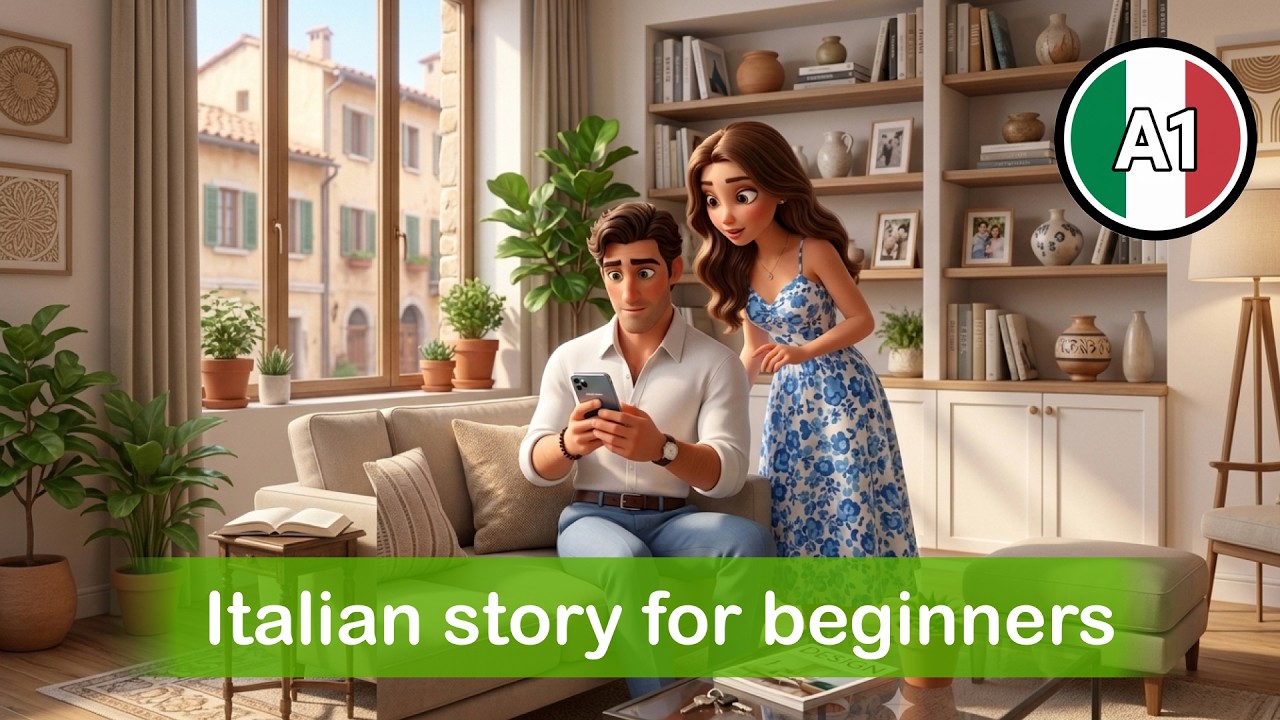
Matteo: Guardo subito sul telefono… un momento… ecco. C’è un film d’azione.
(Matteo: I’ll look on my phone right away… one moment… here we go. There is an action film.)
Giulia: Un film d’azione… Mmm… non lo so. A me non piacciono molto i film d’azione.
(Giulia: An action film… Mmm… I don’t know. I don’t really like action films.)
Matteo: Ah no? A me piacciono. Sono molto emozionanti.
(Matteo: Oh no? I like them. They are very exciting.)
Giulia: Preferisco un film romantico. C’è un film romantico?
(Giulia: I prefer a romantic film. Is there a romantic film?)
Matteo: Vediamo… Sì, c’è un film romantico. Il titolo è ‘Un Cuore a Venezia’.
(Matteo: Let’s see… Yes, there is a romantic film. The title is ‘A Heart in Venice’.)
Giulia: ‘Un Cuore a Venezia’! Che bel titolo! Sembra molto romantico. Vediamo questo?
(Giulia: ‘A Heart in Venice’! What a beautiful title! It seems very romantic. Shall we see this one?)
Matteo: Mmm… onestamente, io non amo molto i film romantici.
(Matteo: Mmm… honestly, I don’t really love romantic films.)
Giulia: Oh. Allora, a te piace il film d’azione. A me piace il film romantico. Questo è un piccolo problema.
(Giulia: Oh. So, you like the action film. I like the romantic film. This is a small problem.)
Matteo: No, non è un problema! Aspetta, guardo ancora. C’è un’altra opzione.
(Matteo: No, it’s not a problem! Wait, I’m still looking. There is another option.)
Giulia: Quale opzione?
(Giulia: What option?)
Matteo: C’è un film comico. Ti piacciono i film comici?
(Matteo: There is a comedy film. Do you like comedy films?)
Giulia: I film comici? Sì! Mi piacciono moltissimo! Fanno ridere.
(Giulia: Comedy films? Yes! I like them very much! They make you laugh.)
Matteo: Fantastico! Anche a me piacciono i film comici. Sono i miei preferiti!
(Matteo: Fantastic! I like comedy films too. They are my favorites!)
Giulia: Perfetto! Allora abbiamo trovato il film giusto. Vediamo il film comico!
(Giulia: Perfect! So we’ve found the right film. Let’s see the comedy film!)
Matteo: Sì! Siamo d’accordo. Il film si chiama ‘La Pizza Pazza’.
(Matteo: Yes! We agree. The film is called ‘The Crazy Pizza’.)
Giulia: ‘La Pizza Pazza’? Hahaha! Il nome è molto divertente. Va benissimo.
(Giulia: ‘The Crazy Pizza’? Hahaha! The name is very funny. That’s great.)
Matteo: Ottimo! Allora, a che ora è lo spettacolo?
(Matteo: Excellent! So, what time is the show?)
Giulia: Giusto. A che ora è il film?
(Giulia: Right. What time is the film?)
Matteo: Ci sono due orari. C’è uno spettacolo alle sette di sera, e uno alle nove di sera.
(Matteo: There are two times. There is a show at seven in the evening, and one at nine in the evening.)
Giulia: Le sette è un po’ presto. Io preferisco le nove. Per te va bene?
(Giulia: Seven is a bit early. I prefer nine. Is that okay for you?)
Matteo: Sì, le nove è perfetto per me. Così abbiamo tempo per una passeggiata prima.
(Matteo: Yes, nine is perfect for me. That way we have time for a walk beforehand.)
Giulia: Bellissima idea! Allora, andiamo al cinema alle nove per vedere ‘La Pizza Pazza’.
(Giulia: Wonderful idea! So, let’s go to the cinema at nine to see ‘The Crazy Pizza’.)
Matteo: Esatto. Sono molto contento. Sarà una bella serata.
(Matteo: Exactly. I’m very happy. It will be a lovely evening.)
Giulia: Anch’io sono molto contenta. Grazie per la bella idea, Matteo.
(Giulia: I am very happy too. Thanks for the great idea, Matteo.)
Matteo: Prego, Giulia! A dopo!
(Matteo: You’re welcome, Giulia! See you later!)
Giulia: A dopo!
(Giulia: See you later!)
📝 Essential Vocabulary
Here are some key words and phrases from Matteo and Giulia’s conversation.
| Italian | English Translation | Pronunciation |
|---|---|---|
| Andiamo al cinema? | Shall we go to the cinema? | |
| Un’idea fantastica | A fantastic idea | |
| Film d’azione | Action film | |
| Film romantico | Romantic film | |
| Film comico | Comedy film | |
| A me piace / piacciono | I like… | |
| Siamo d’accordo | We agree | |
| A che ora è…? | What time is…? | |
| Alle nove di sera | At nine in the evening | |
| A dopo! | See you later! |
🔍 Grammar Focus
Let’s look at two important grammar points from the dialogue.
1. Expressing Likes and Dislikes with Piacere
The verb piacere (to be pleasing to) is fundamental for expressing preferences in Italian. Its structure is different from “to like” in English. The thing that is liked is the subject of the sentence, so the verb agrees with it.
- Use
piacefor singular nouns (or infinitives). - Use
piaccionofor plural nouns.
The person who likes the thing is the indirect object, often indicated by a pronoun like mi (to me), ti (to you), etc. You can also use the longer form a me, a te for emphasis.
Examples from the script:
- Singular: Mi piace molto andare al cinema. (Going to the cinema is singular)
- Singular: A te piace il film d’azione. (The action film is singular)
- Plural: A me non piacciono molto i film d’azione. (Action films is plural)
- Plural: Ti piacciono i film comici? (Comedy films is plural)
2. Making Suggestions with Andiamo...?
In Italian, a simple way to make a suggestion like “Let’s…” or “Shall we…” is to use the first-person plural (noi) form of a verb in the present tense, often as a question.
Matteo uses this to invite Giulia out:
- Andiamo al cinema? (Literally: We go to the cinema? Meaning: Shall we go to the cinema?)
Giulia also uses this form to suggest a specific film:
- Vediamo questo? (Literally: We see this one? Meaning: Shall we see this one?)
This is a very common and friendly way to propose an activity.
🌍 Cultural Tip
🃏 Flip & Learn
Practice the key phrases from this lesson.
Shall we go to the cinema?
Andiamo al cinema?
I don't really like action films.
A me non piacciono molto i film d'azione.
What time is the show?
A che ora è lo spettacolo?
We agree.
Siamo d'accordo.
I prefer nine o'clock.
Io preferisco le nove.
💡 Key Takeaways
Here are the main points to remember from this lesson:
- Suggest an activity using the
noi(we) form of a verb:Andiamo al cinema?(Shall we go to the cinema?),Vediamo un film?(Shall we watch a film?). - Express likes/dislikes with
piacere. Remember to usepiacefor singular things (mi piace il film) andpiaccionofor plural things (mi piacciono i film). - State your preference using the verb
preferire:Preferisco un film romantico.(I prefer a romantic film). - Ask for the time of an event with
A che ora è...?:A che ora è il film?(What time is the film?). - Agree on a plan by saying
Siamo d'accordo(We agree) orVa benissimo(That’s great).
🎯 Practice Quiz
Test your understanding of the conversation.
Question
Question
Question
✍️ Fill in the Blanks
Let’s test your spelling and memory! Fill in the missing words below.
Fill in the blank
Fill in the blank
Support Us
Did you find this lesson helpful? Your support is what makes it possible for us to keep creating free, high-quality educational content.