How to Go Grocery Shopping in Italian: Shopping List Dialogue & Food Vocabulary 🛒
Learn essential Italian vocabulary for grocery shopping with this slow, easy-to-follow dialogue. Practice making a shopping list and talking about common food items.
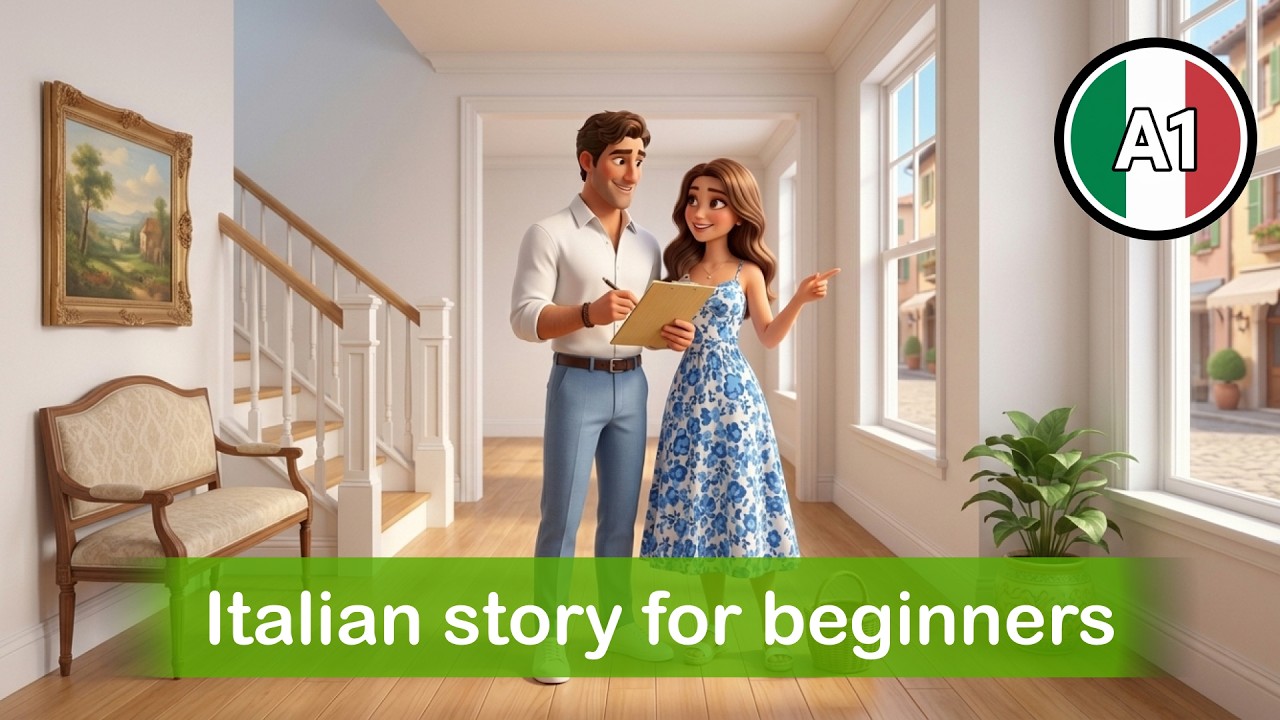
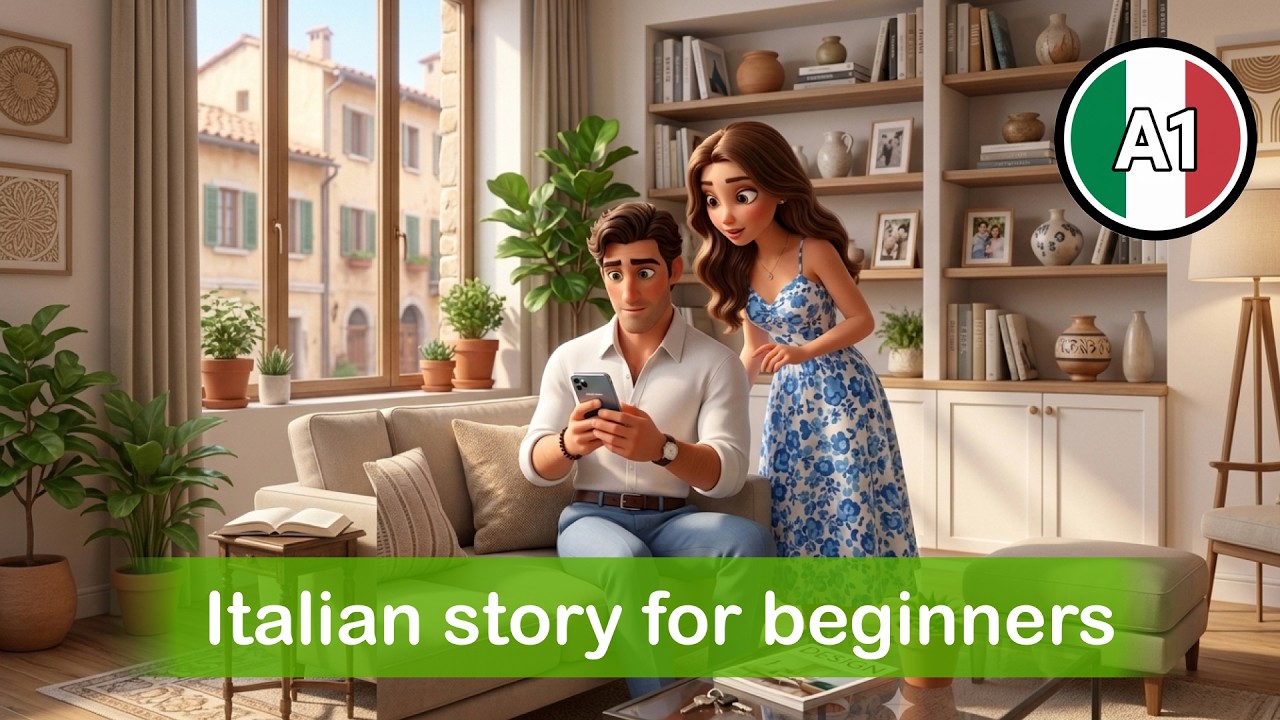
Discover you’ve run out of food? It’s the perfect opportunity to learn some practical Italian! In this lesson, join Matteo and Giulia as they find their fridge completely empty and work together to create a shopping list for the supermarket. You’ll learn essential vocabulary for common food items and key phrases for planning your grocery trip.
💬 Video Transcript
Matteo: Ciao Giulia! Sei a casa?
(Matteo: Hi Giulia! Are you home?)
Giulia: Ciao Matteo! Sì, sono a casa. Entra.
(Giulia: Hi Matteo! Yes, I’m home. Come in.)
Matteo: Grazie. Come stai?
(Matteo: Thanks. How are you?)
Giulia: Sto bene, grazie. Ma ho un po’ fame.
(Giulia: I’m fine, thanks. But I’m a little hungry.)
Matteo: Anche io ho fame. Cosa mangiamo per cena?
(Matteo: I’m hungry too. What are we eating for dinner?)
Giulia: Non lo so. Apro il frigo. Vediamo…
(Giulia: I don’t know. I’ll open the fridge. Let’s see…)
Matteo: Allora? Cosa c’è nel frigo?
(Matteo: So? What’s in the fridge?)
Giulia: Oh, no. Il frigo è vuoto.
(Giulia: Oh, no. The fridge is empty.)
Matteo: Vuoto? Davvero?
(Matteo: Empty? Really?)
Giulia: Sì, guarda. Non c’è niente.
(Giulia: Yes, look. There’s nothing.)
Matteo: Hai ragione. È completamente vuoto. Dobbiamo fare la spesa.
(Matteo: You’re right. It’s completely empty. We have to go grocery shopping.)
Giulia: Sì, dobbiamo andare al supermercato.
(Giulia: Yes, we have to go to the supermarket.)
Matteo: Andiamo adesso?
(Matteo: Shall we go now?)
Giulia: Sì, è una buona idea. Andiamo adesso. Ma cosa compriamo?
(Giulia: Yes, that’s a good idea. Let’s go now. But what do we buy?)
Matteo: Facciamo una lista. Io prendo una penna e un foglio.
(Matteo: Let’s make a list. I’ll get a pen and a piece of paper.)
Giulia: Perfetto. Allora, prima di tutto, la pasta.
(Giulia: Perfect. So, first of all, pasta.)
Matteo: Certo, la pasta. Scrivo ‘pasta’.
(Matteo: Of course, pasta. I’m writing ‘pasta’.)
Giulia: E abbiamo bisogno del sugo di pomodoro.
(Giulia: And we need tomato sauce.)
Matteo: Sì, sugo di pomodoro. Per fare la pasta al sugo. Buona idea.
(Matteo: Yes, tomato sauce. To make pasta with sauce. Good idea.)
Giulia: Poi, il formaggio. Il parmigiano.
(Giulia: Then, cheese. Parmesan.)
Matteo: Certo. Scrivo ‘parmigiano’. Mi piace molto il parmigiano.
(Matteo: Of course. I’m writing ‘parmesan’. I really like parmesan.)
Giulia: Anche a me. Poi… il pane. Abbiamo bisogno del pane fresco.
(Giulia: Me too. Then… bread. We need fresh bread.)
Matteo: Sì, hai ragione. Il pane. Scrivo ‘pane’.
(Matteo: Yes, you’re right. Bread. I’m writing ‘bread’.)
Giulia: Bene. E per la colazione di domani? Non abbiamo niente.
(Giulia: Good. And for tomorrow’s breakfast? We have nothing.)
Matteo: Per colazione compriamo il latte e i biscotti.
(Matteo: For breakfast, let’s buy milk and cookies.)
Giulia: Sì. Scrivi ’latte’. E ‘biscotti’.
(Giulia: Yes. Write ‘milk’. And ‘cookies’.)
Matteo: Fatto. Latte e biscotti. Che altro?
(Matteo: Done. Milk and cookies. What else?)
Giulia: La frutta. La frutta è importante. Compriamo delle mele?
(Giulia: Fruit. Fruit is important. Shall we buy some apples?)
Matteo: Sì, le mele. Le mele rosse. Sono buone.
(Matteo: Yes, apples. Red apples. They’re good.)
Giulia: Va bene. Mele rosse. E forse anche delle banane?
(Giulia: Okay. Red apples. And maybe some bananas too?)
Matteo: Sì, compriamo anche le banane. Scrivo ‘banane’.
(Matteo: Yes, let’s also buy bananas. I’m writing ‘bananas’.)
Giulia: Perfetto. Allora, vediamo la lista.
(Giulia: Perfect. So, let’s see the list.)
Matteo: Abbiamo: pasta, sugo di pomodoro, parmigiano, pane.
(Matteo: We have: pasta, tomato sauce, parmesan, bread.)
Giulia: E poi: latte, biscotti, mele e banane.
(Giulia: And then: milk, cookies, apples and bananas.)
Matteo: Manca qualcosa? Ah, l’acqua!
(Matteo: Is something missing? Ah, water!)
Giulia: Giusto! Non abbiamo l’acqua. Abbiamo bisogno dell’acqua.
(Giulia: Right! We don’t have water. We need water.)
Matteo: Scrivo ‘acqua naturale’.
(Matteo: I’m writing ‘still water’.)
Giulia: Benissimo. Adesso la lista è pronta.
(Giulia: Great. Now the list is ready.)
Matteo: È una lista lunga.
(Matteo: It’s a long list.)
Giulia: Sì, perché il frigo è vuoto!
(Giulia: Yes, because the fridge is empty!)
Matteo: Hai ragione. Allora, sei pronta?
(Matteo: You’re right. So, are you ready?)
Giulia: Sì, sono pronta. Prendo la borsa.
(Giulia: Yes, I’m ready. I’ll get my bag.)
Matteo: Ok. Io prendo le chiavi di casa. Andiamo.
(Matteo: Ok. I’ll get the house keys. Let’s go.)
Giulia: Andiamo al supermercato!
(Giulia: Let’s go to the supermarket!)
📝 Essential Vocabulary
Here are some key words and phrases from the video that are crucial for talking about grocery shopping in Italian.
| Target Language | English Translation | Pronunciation |
|---|---|---|
| Il frigo | The fridge | |
| Vuoto | Empty | |
| Fare la spesa | To go grocery shopping | |
| Il supermercato | The supermarket | |
| Una lista | A list | |
| Comprare | To buy | |
| Sugo di pomodoro | Tomato sauce | |
| Il formaggio | The cheese | |
| Il pane | The bread | |
| La frutta | The fruit |
🔍 Grammar Focus
Using Partitive Articles (Articoli Partitivi)
When you want to say “some” or refer to an unspecified quantity of something, Italian uses partitive articles. They are formed by combining the preposition di with the definite article (il, lo, la, i, gli, le, l').
You can see this in the dialogue when Giulia and Matteo are making their list. They don’t always specify the exact quantity, so they use the partitive.
The structure is: di + definite article
di + il=deldi + lo=dellodi + la=delladi + l'=dell'di + i=deidi + gli=deglidi + le=delle
Examples from the script:
- Giulia: E abbiamo bisogno del sugo di pomodoro. (And we need some tomato sauce.)
- Sugo is a masculine singular noun that starts with a consonant, so it uses
il.di + ilbecomesdel.
- Sugo is a masculine singular noun that starts with a consonant, so it uses
- Giulia: Abbiamo bisogno del pane fresco. (We need some fresh bread.)
- Pane is also masculine singular, so it’s
di + il=del.
- Pane is also masculine singular, so it’s
- Giulia: Compriamo delle mele? (Shall we buy some apples?)
- Mele is a feminine plural noun, so it uses
le.di + lebecomesdelle.
- Mele is a feminine plural noun, so it uses
This is a very common way to talk about food when you aren’t counting exact items.
🌍 Cultural Tip
supermercato is common for one-stop shopping, many Italians still cherish buying specific items from local specialty shops. For example, you might go to a panificio for fresh bread (pane), a macelleria for meat, or a fruttivendolo for produce, ensuring the highest quality ingredients for a home-cooked meal.🃏 Flip & Learn
Use these flashcards to test your memory of key phrases from the dialogue.
The fridge is empty.
Il frigo è vuoto.
We have to go grocery shopping.
Dobbiamo fare la spesa.
Let's make a list.
Facciamo una lista.
What else?
Che altro?
Is something missing?
Manca qualcosa?
💡 Key Takeaways
Here are the most important points to remember from this lesson:
- To say you are hungry, use the verb
avere(to have):Ho fame(I’m hungry). - The essential phrase for “to go grocery shopping” is
fare la spesa. - When making a list, you can use the structure:
Scrivo '...'(I’m writing ‘…’). - Use partitive articles like
del,della, anddelleto mean “some” when talking about unspecified amounts of food (e.g.,del pane,delle mele). - Common food items to remember include:
la pasta,il sugo,il parmigiano,il pane,il latte,i biscotti,le mele, andle banane.
🎯 Practice Quiz
Check your understanding of the vocabulary and grammar from this lesson.
Question
Question
Question
✍️ Fill in the Blanks
Let’s test your spelling and memory! Fill in the missing words below. Use correct spelling.
Fill in the blank
Fill in the blank
Support Us
Did you find this lesson helpful? Your support is what makes it possible for us to keep creating free, high-quality educational content.