Talking About Pets in Italian: Dog vs. Cat Dialogue & Adjectives 🐾
Learn Italian by listening to a natural dialogue between Matteo and Giulia as they debate the pros and cons of getting a dog versus a cat. Master key vocabulary for pets and adjectives.
In this Italian lesson, you’ll join Matteo and Giulia as they consider getting a pet. Listen to their conversation as they weigh the advantages of having a dog versus a cat, and learn essential vocabulary and adjectives to describe animals and their personalities.
💬 Video Transcript
Matteo: Ciao Giulia. Come va?
(Matteo: Hi Giulia. How’s it going?)
Giulia: Ciao Matteo. Tutto bene, grazie. E tu?
(Giulia: Hi Matteo. All good, thanks. And you?)
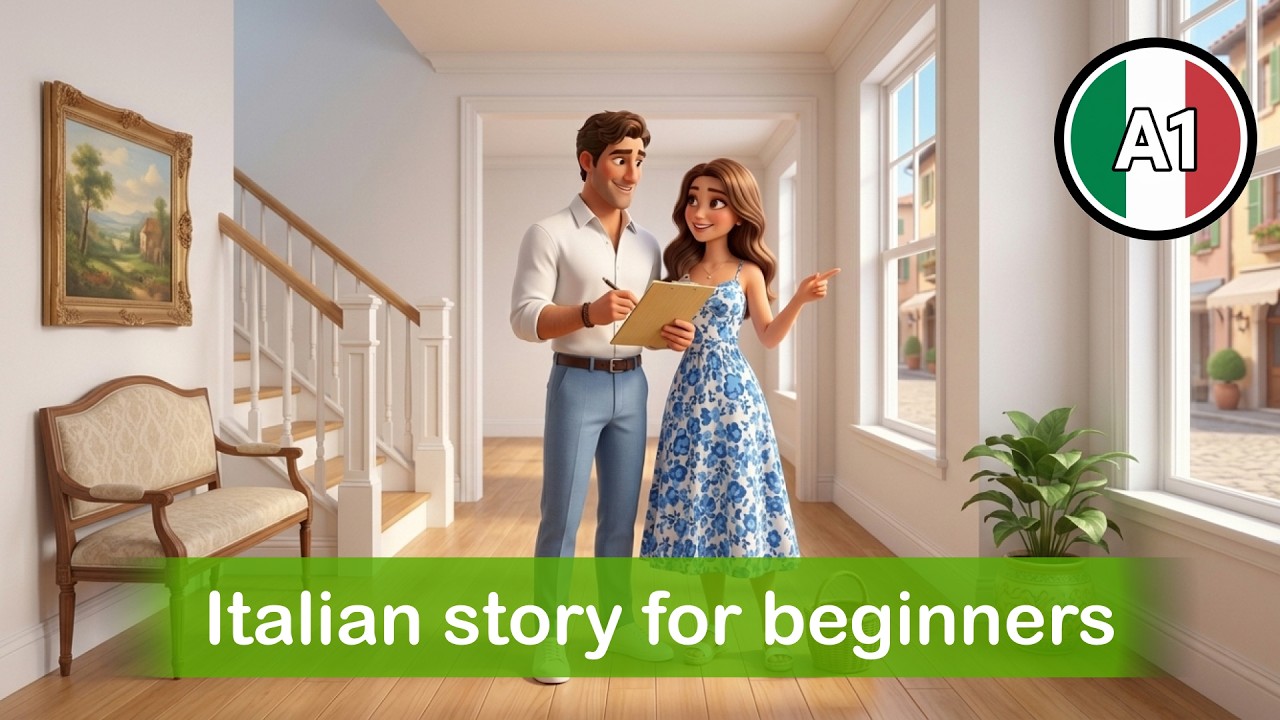
Matteo: Bene, bene. Senti… la nostra casa è molto silenziosa.
(Matteo: Good, good. Listen… our house is very quiet.)
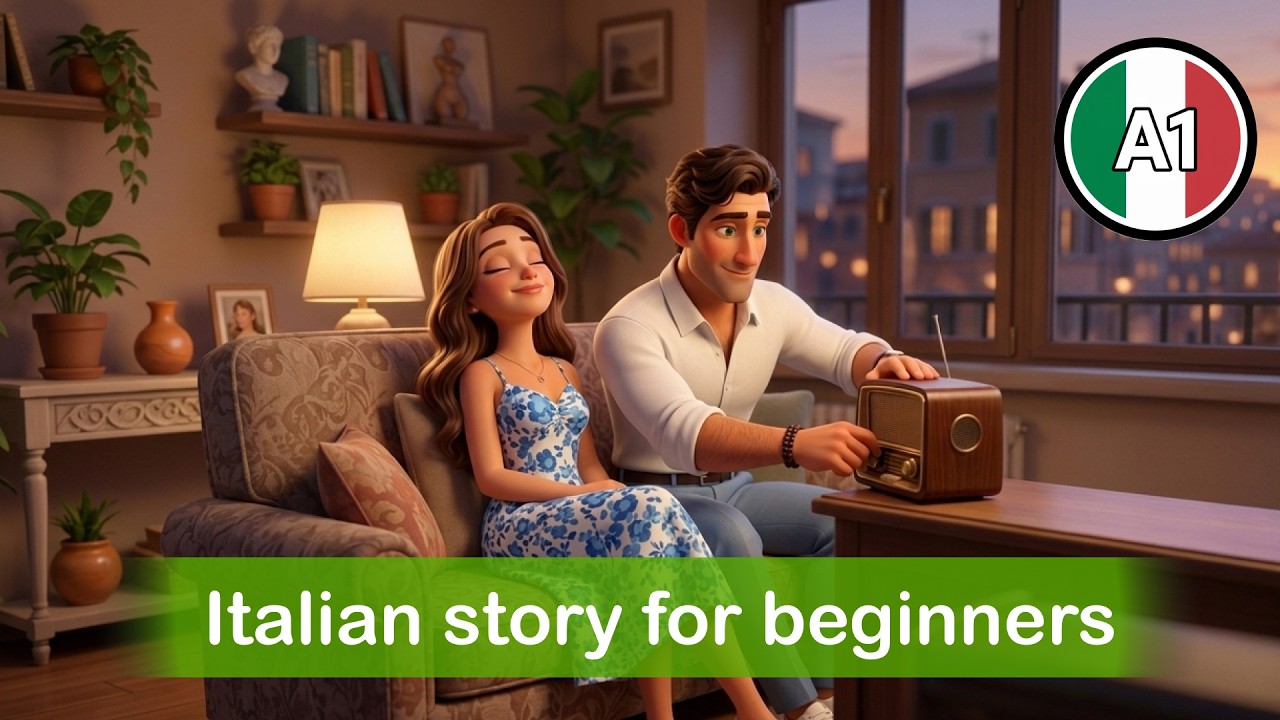
Giulia: Silenziosa? Sì, è vero. È una casa molto tranquilla.
(Giulia: Quiet? Yes, it’s true. It’s a very peaceful house.)
Matteo: Forse è un po’ troppo silenziosa, non pensi?
(Matteo: Maybe it’s a bit too quiet, don’t you think?)
Giulia: Un po’ troppo silenziosa? Mmm, cosa vuoi dire?
(Giulia: A bit too quiet? Mmm, what do you mean?)
Matteo: Penso che manca qualcosa. O qualcuno.
(Matteo: I think something is missing. Or someone.)
Giulia: Qualcuno? Chi?
(Giulia: Someone? Who?)
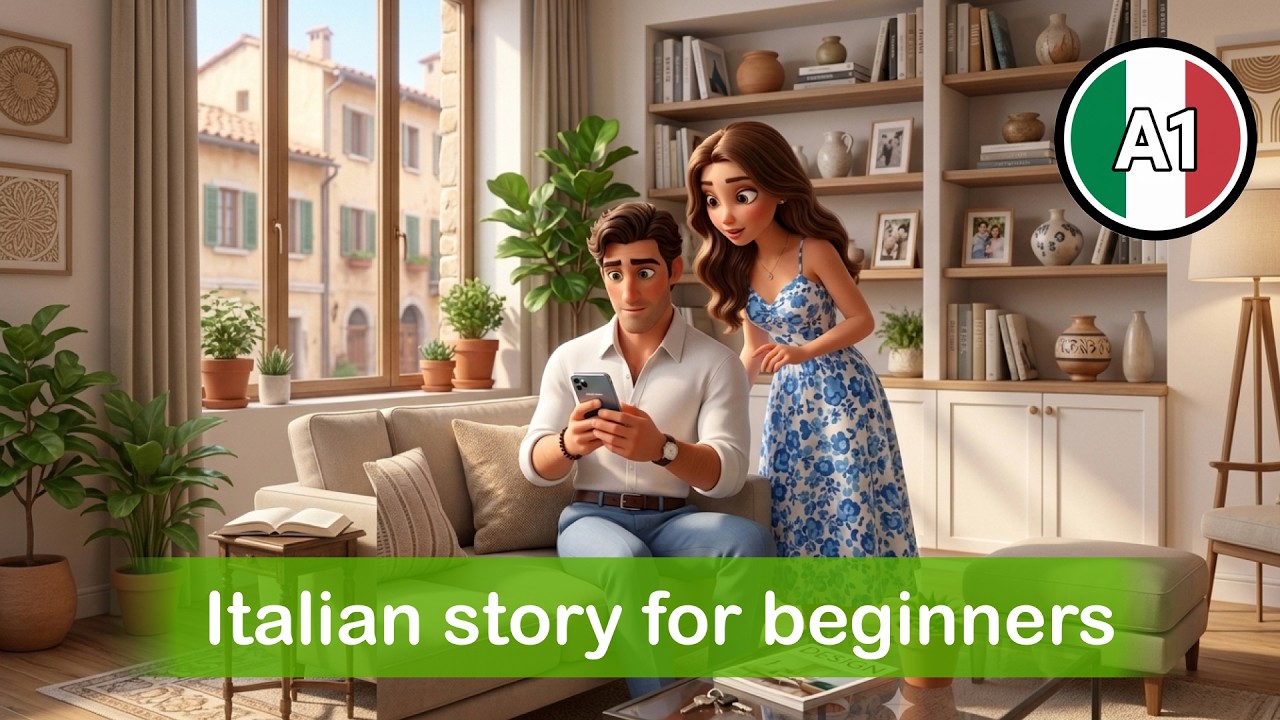
Matteo: Penso a un animale domestico. Un amico per noi.
(Matteo: I’m thinking of a pet. A friend for us.)
Giulia: Un animale domestico! Che bella idea, Matteo! Non ci ho mai pensato.
(Giulia: A pet! What a great idea, Matteo! I’ve never thought about it.)
Matteo: Davvero? Io ci penso sempre. Allora, che animale preferisci? Io ho un’idea.
(Matteo: Really? I think about it all the time. So, what animal do you prefer? I have an idea.)
Giulia: Dimmi la tua idea.
(Giulia: Tell me your idea.)
Matteo: Un cane! Immagina un cane qui con noi.
(Matteo: A dog! Imagine a dog here with us.)
Giulia: Un cane… interessante. Parliamo del cane. Com’è un cane?
(Giulia: A dog… interesting. Let’s talk about the dog. What is a dog like?)
Matteo: Beh, un cane è molto amichevole. Un cane è sempre felice di vederci.
(Matteo: Well, a dog is very friendly. A dog is always happy to see us.)
Giulia: Sì, è vero. I cani sono molto affettuosi. E poi?
(Giulia: Yes, that’s true. Dogs are very affectionate. And then?)
Matteo: Un cane è grande e forte. Possiamo giocare con il cane al parco.
(Matteo: A dog is big and strong. We can play with the dog at the park.)
Giulia: Sì, giocare al parco è bello. Ma un cane è anche rumoroso. Un cane abbaia.
(Giulia: Yes, playing at the park is nice. But a dog is also noisy. A dog barks.)
Matteo: Sì, a volte un cane abbaia. Ma è perché è felice!
(Matteo: Yes, sometimes a dog barks. But it’s because it’s happy!)
Giulia: E un cane ha bisogno di uscire. Dobbiamo fare lunghe passeggiate.
(Giulia: And a dog needs to go out. We have to take long walks.)
Matteo: Sì, una passeggiata la mattina, una il pomeriggio e una la sera. Con il sole e con la pioggia.
(Matteo: Yes, a walk in the morning, one in the afternoon, and one in the evening. In the sun and in the rain.)
Giulia: Esatto. È un grande impegno. Forse… è meglio un gatto.
(Giulia: Exactly. It’s a big commitment. Maybe… a cat is better.)
Matteo: Un gatto? Perché pensi a un gatto?
(Matteo: A cat? Why are you thinking of a cat?)
Giulia: Beh, un gatto è molto diverso. Un gatto è piccolo e tranquillo.
(Giulia: Well, a cat is very different. A cat is small and calm.)
Matteo: Sì, un gatto è più piccolo di un cane. Ed è molto silenzioso. Un gatto non abbaia.
(Matteo: Yes, a cat is smaller than a dog. And it’s very quiet. A cat doesn’t bark.)
Giulia: No. Un gatto miagola, ma piano. E un gatto dorme molto.
(Giulia: No. A cat meows, but softly. And a cat sleeps a lot.)
Matteo: È vero. Un gatto dorme sempre sul divano o sul letto.
(Matteo: That’s true. A cat always sleeps on the sofa or on the bed.)
Giulia: Sì, è molto indipendente. Non ha bisogno di passeggiate.
(Giulia: Yes, it’s very independent. It doesn’t need walks.)
Matteo: No, il gatto sta in casa. È più facile, forse.
(Matteo: No, the cat stays indoors. It’s easier, perhaps.)
Giulia: Allora, cosa scegliamo? Un cane o un gatto? È una decisione difficile.
(Giulia: So, what do we choose? A dog or a cat? It’s a difficult decision.)
Matteo: Molto difficile. Facciamo un riassunto. Il cane è grande e amichevole.
(Matteo: Very difficult. Let’s do a summary. The dog is big and friendly.)
Giulia: E il gatto è piccolo e tranquillo.
(Giulia: And the cat is small and calm.)
Matteo: Il cane è rumoroso, ma gioca molto con noi.
(Matteo: The dog is noisy, but it plays a lot with us.)
Giulia: Il gatto è silenzioso, ma è molto indipendente.
(Giulia: The cat is quiet, but it’s very independent.)
Matteo: Il cane ha bisogno di tre passeggiate ogni giorno.
(Matteo: The dog needs three walks every day.)
Giulia: Il gatto ha bisogno di stare comodo in casa.
(Giulia: The cat needs to be comfortable at home.)
Matteo: Non so cosa decidere oggi.
(Matteo: I don’t know what to decide today.)
Giulia: Nemmeno io. È una decisione importante. Dobbiamo pensare bene.
(Giulia: Me neither. It’s an important decision. We need to think carefully.)
Matteo: Hai ragione. Allora facciamo così: oggi pensiamo. E domani ne parliamo ancora.
(Matteo: You’re right. Let’s do this: today we think. And tomorrow we’ll talk about it again.)
Giulia: Ottima idea. Io penso ai vantaggi del gatto.
(Giulia: Excellent idea. I’ll think about the advantages of the cat.)
Matteo: E io penso ai vantaggi del cane.
(Matteo: And I’ll think about the advantages of the dog.)
Giulia: Perfetto. A domani, allora.
(Giulia: Perfect. See you tomorrow, then.)
Matteo: A domani. Ma sono contento. È una bella idea.
(Matteo: See you tomorrow. But I’m happy. It’s a great idea.)
Giulia: Sì, Matteo. È una bellissima idea.
(Giulia: Yes, Matteo. It’s a wonderful idea.)
📝 Essential Vocabulary
Here are some key words and phrases from the video. Listen and practice your pronunciation!
| Target Language | English Translation | Pronunciation |
|---|---|---|
| Un animale domestico | A pet | |
| Silenzioso/a | Silent / Quiet | |
| Rumoroso/a | Noisy | |
| Amichevole | Friendly | |
| Indipendente | Independent | |
| Un impegno | A commitment | |
| Una passeggiata | A walk | |
| Abbaia | (It) barks | |
| Miagola | (It) meows | |
| Una decisione difficile | A difficult decision |
🔍 Grammar Focus
Describing Nouns with Adjectives
In Italian, adjectives must agree in gender (masculine/feminine) and number (singular/plural) with the noun they describe. Let’s look at examples from the dialogue.
1. Adjectives ending in -o / -a
Most adjectives end in -o for masculine singular nouns and -a for feminine singular nouns.
Notice how the adjective changes to match the noun:
- Un gatto (a cat, masculine) è piccolo e tranquillo.
- La nostra casa (our house, feminine) è molto silenziosa.
When Giulia describes the house, she uses silenziosa and tranquilla because casa is a feminine noun. When describing the cat (gatto, masculine), she uses piccolo and tranquillo.
2. Adjectives ending in -e
Some adjectives end in -e for both masculine and feminine singular nouns. These are easier because the form doesn’t change with gender.
From the script:
- Il cane è grande. (
caneis masculine) - È un grande impegno. (
impegnois masculine) - Una decisione difficile. (
decisioneis feminine)
In all these cases, the adjective (grande, difficile) ends in -e regardless of whether the noun is masculine or feminine.
🌍 Cultural Tip
🃏 Flip & Learn
Practice the new vocabulary from this lesson.
A pet
Un animale domestico
A difficult decision
Una decisione difficile
Friendly
Amichevole
A dog barks
Un cane abbaia
A big commitment
Un grande impegno
💡 Key Takeaways
Here are the most important points to remember from this lesson:
- Key Pet Vocabulary: Learn the difference between
il cane(the dog) andil gatto(the cat). - Descriptive Adjectives: Practice using adjectives like
grande(big),piccolo(small),rumoroso(noisy),silenzioso(quiet),amichevole(friendly), andindipendente(independent). - Adjective Agreement: Remember that adjectives in Italian must match the gender of the noun they describe (e.g.,
un gatt**o** tranquill**o**butuna cas**a** tranquill**a**). - Expressing Needs: The phrase
ha bisogno di...means “he/she/it needs…”. For example, “Il cane ha bisogno di uscire” (The dog needs to go out). - Comparing and Contrasting: The structure of the dialogue is a great example of how to discuss the pros and cons of different options in Italian.
🎯 Practice Quiz
Test your understanding of the vocabulary and concepts from the video.
Question
Question
Question
✍️ Fill in the Blanks
Let’s test your spelling and memory! Fill in the missing words below. Use correct spelling.
Fill in the blank
Fill in the blank
Support Us
Did you find this lesson helpful? Your support is what makes it possible for us to keep creating free, high-quality educational content.