How to Send a Package in Italian: A Slow Conversation for Beginners 💌
Learn how to send a package in Italian with this slow A1-A2 conversation. Master essential vocabulary like 'pacco,' 'spedire,' and 'ufficio postale' for your next trip to Italy.
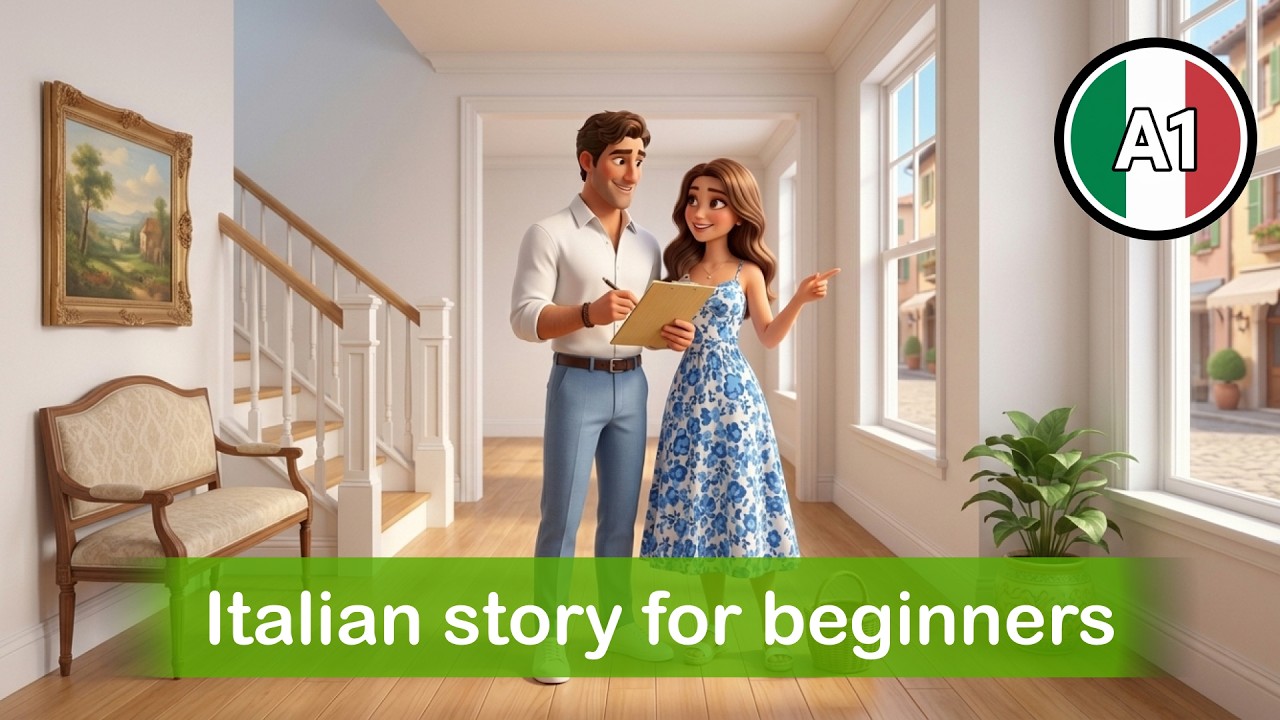
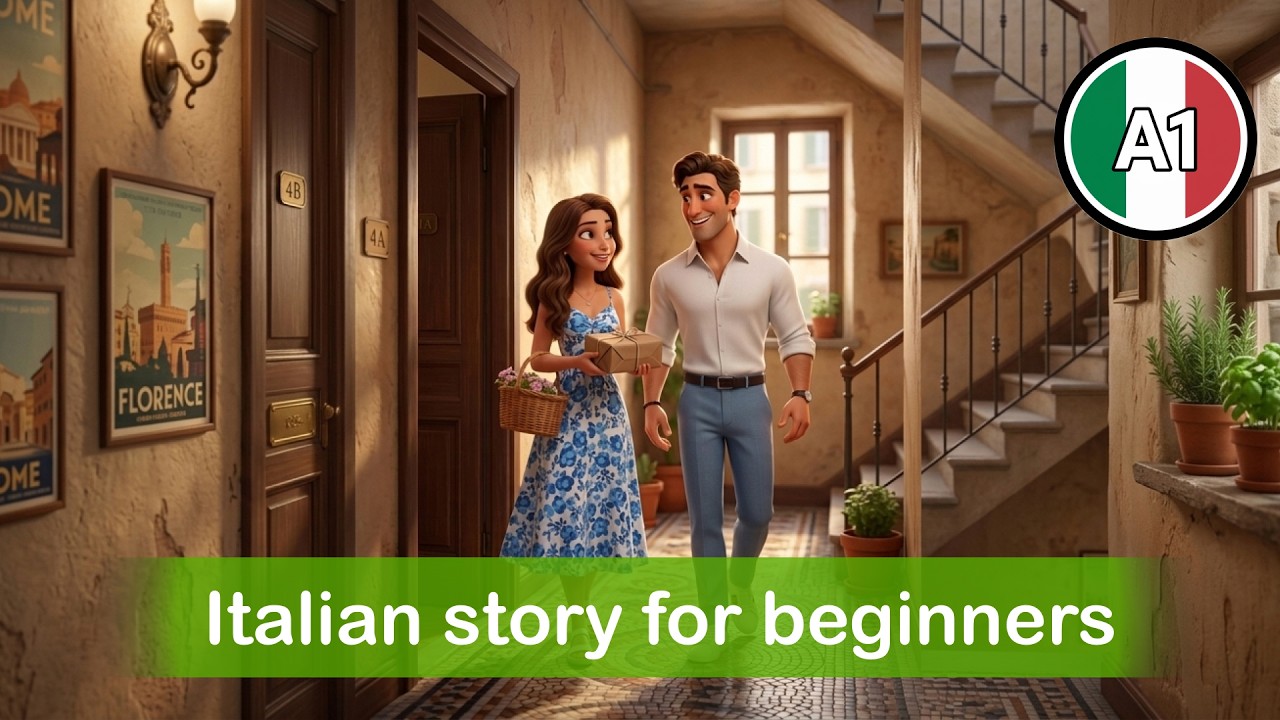
In this lesson, you’ll join Giulia and Matteo as they prepare to send a birthday gift to a friend. You will learn essential vocabulary for mailing a package, from writing the address to going to the post office. This slow, clear dialogue is perfect for A1-A2 beginners to improve listening skills and learn practical, everyday Italian.
💬 Video Transcript
Giulia: Ciao Matteo. Ho un piccolo problema.
(Giulia: Hi Matteo. I have a small problem.)
Matteo: Un problema? Ciao Giulia. Qual è il problema?
(Matteo: A problem? Hi Giulia. What is the problem?)
Giulia: Devo spedire un pacco. Ho bisogno di aiuto.
(Giulia: I have to send a package. I need help.)
Matteo: Un pacco? Certo. Ti aiuto. Per chi è il pacco?
(Matteo: A package? Of course. I’ll help you. Who is the package for?)
Giulia: Il pacco è per la mia amica Chiara.
(Giulia: The package is for my friend Chiara.)
Matteo: Ah, Chiara! La tua amica che abita a Milano.
(Matteo: Ah, Chiara! Your friend who lives in Milan.)
Giulia: Sì, proprio lei. Devo spedire questo pacco a Milano.
(Giulia: Yes, that’s her. I have to send this package to Milan.)
Matteo: Va bene. È un problema facile. Spediamo il pacco insieme.
(Matteo: Okay. It’s an easy problem. Let’s send the package together.)
Giulia: Grazie, Matteo. Sei molto gentile.
(Giulia: Thanks, Matteo. You are very kind.)
Matteo: Allora, il pacco è pronto?
(Matteo: So, is the package ready?)
Giulia: Sì, il pacco è pronto. Guarda. È qui, sul tavolo.
(Giulia: Yes, the package is ready. Look. It’s here, on the table.)
Matteo: Ah, vedo. È un pacco piccolo. Cosa c’è dentro?
(Matteo: Ah, I see. It’s a small package. What’s inside?)
Giulia: Dentro il pacco c’è un libro. È un regalo di compleanno per Chiara.
(Giulia: Inside the package there is a book. It’s a birthday present for Chiara.)
Matteo: Un libro! Che bel regalo. Un libro di cosa?
(Matteo: A book! What a nice gift. A book about what?)
Giulia: È un libro di arte. Chiara ama l’arte.
(Giulia: It’s an art book. Chiara loves art.)
Matteo: È una ottima idea. Allora, cosa dobbiamo fare adesso?
(Matteo: That’s an excellent idea. So, what do we have to do now?)
Giulia: Adesso, dobbiamo scrivere l’indirizzo sul pacco.
(Giulia: Now, we have to write the address on the package.)
Matteo: L’indirizzo. Giusto. Hai l’indirizzo di Chiara?
(Matteo: The address. Right. Do you have Chiara’s address?)
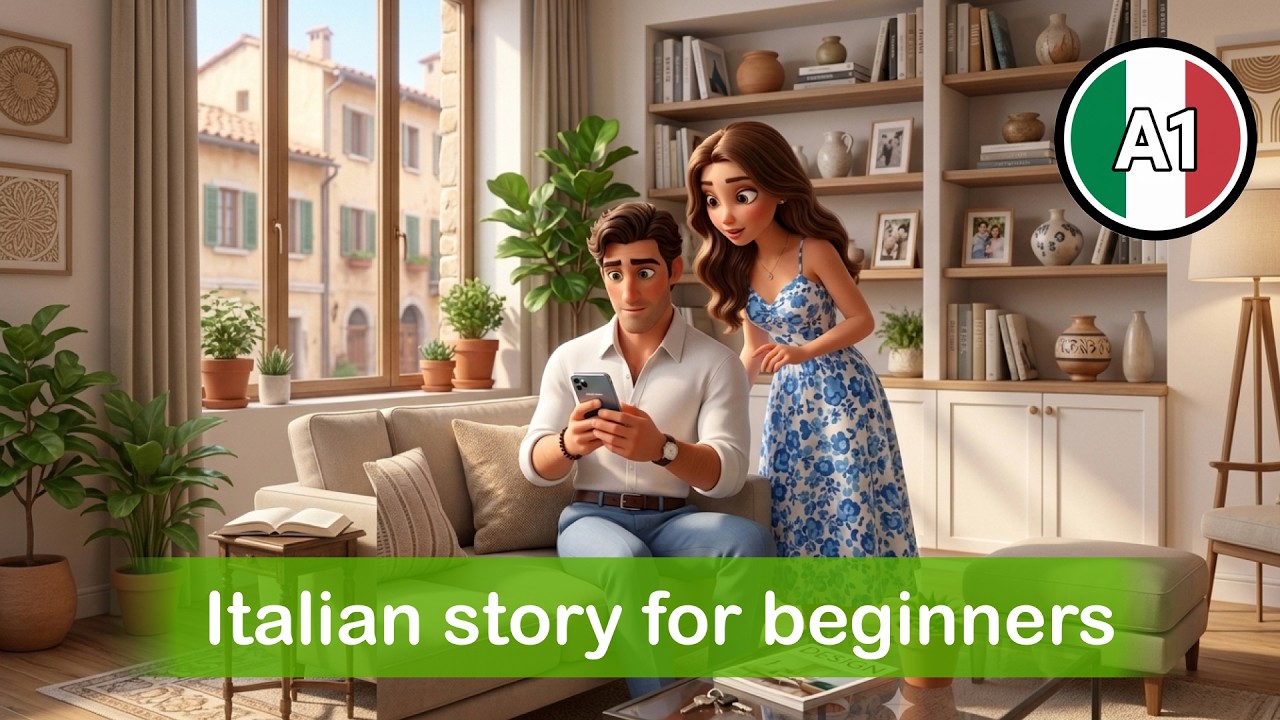
Giulia: Sì, certo. L’indirizzo è sul mio telefono. Aspetta un momento.
(Giulia: Yes, of course. The address is on my phone. Wait a moment.)
Matteo: Ok. Io cerco una penna. Serve una penna per scrivere.
(Matteo: Ok. I’ll look for a pen. We need a pen to write.)
Giulia: Sì, grazie. Forse la penna è nel cassetto della scrivania.
(Giulia: Yes, thanks. Maybe the pen is in the desk drawer.)
Matteo: Controllo subito… Sì! Eccola. Ho trovato una penna nera.
(Matteo: I’ll check right now… Yes! Here it is. I found a black pen.)
Giulia: Perfetto. Io ho trovato l’indirizzo. Possiamo scrivere.
(Giulia: Perfect. I found the address. We can write.)
Matteo: Molto bene. Scrivi l’indirizzo sul pacco con la penna nera.
(Matteo: Very good. Write the address on the package with the black pen.)
Giulia: Va bene. Allora… scrivo: Via Garibaldi, numero venti.
(Giulia: Okay. So… I’m writing: Via Garibaldi, number twenty.)
Matteo: Via Garibaldi, numero venti. Capito.
(Matteo: Via Garibaldi, number twenty. Got it.)
Giulia: E poi, ovviamente… Milano.
(Giulia: And then, obviously… Milan.)
Matteo: Ottimo. Via Garibaldi, 20, Milano. L’indirizzo è scritto. Il pacco è pronto.
(Matteo: Excellent. Via Garibaldi, 20, Milan. The address is written. The package is ready.)
Giulia: Sì! Adesso il pacco è veramente pronto per la spedizione.
(Giulia: Yes! Now the package is truly ready for shipping.)
Matteo: Fantastico. E ora? Qual è il prossimo passo?
(Matteo: Fantastic. And now? What is the next step?)
Giulia: Ora dobbiamo andare all’ufficio postale.
(Giulia: Now we have to go to the post office.)
Matteo: L’ufficio postale. Certo. È lontano da qui?
(Matteo: The post office. Of course. Is it far from here?)
Giulia: No, per fortuna non è lontano. L’ufficio postale è qui vicino.
(Giulia: No, luckily it’s not far. The post office is nearby.)
Matteo: Bene. Questo è buono. Andiamo a piedi?
(Matteo: Good. That’s good. Shall we go on foot?)
Giulia: Sì, andiamo a piedi. Oggi è una bella giornata di sole.
(Giulia: Yes, let’s go on foot. Today is a beautiful sunny day.)
Matteo: È vero. C’è un bel sole. Allora io prendo le chiavi di casa.
(Matteo: It’s true. It’s nice and sunny. Then I’ll get the house keys.)
Giulia: Perfetto. Io prendo il pacco e la mia borsa.
(Giulia: Perfect. I’ll take the package and my bag.)
Matteo: Sei pronta per andare?
(Matteo: Are you ready to go?)
Giulia: Sì, sono pronta. Andiamo a spedire il pacco per la mia amica.
(Giulia: Yes, I’m ready. Let’s go send the package for my friend.)
Matteo: Sì, andiamo subito all’ufficio postale. Sono felice di venire con te.
(Matteo: Yes, let’s go to the post office right away. I’m happy to come with you.)
Giulia: Grazie, Matteo. Insieme è tutto più facile e divertente.
(Giulia: Thanks, Matteo. Together everything is easier and more fun.)
Matteo: Prego, Giulia. Andiamo!
(Matteo: You’re welcome, Giulia. Let’s go!)
📝 Essential Vocabulary
Here are some key words and phrases from the dialogue that you’ll need when sending mail in Italy.
| Target Language | English Translation | Pronunciation |
|---|---|---|
| un pacco | a package | |
| spedire | to send, to ship | |
| l’indirizzo | the address | |
| la penna | the pen | |
| il cassetto | the drawer | |
| la spedizione | the shipment | |
| l’ufficio postale | the post office | |
| andare a piedi | to go on foot | |
| pronto / pronta | ready (m. / f.) |
🔍 Grammar Focus
The Modal Verb Dovere (To have to / must)
In the dialogue, Giulia and Matteo frequently use the verb dovere to talk about what they need to do. Dovere is a modal verb, which means it’s used with another verb in its infinitive form (the basic -are, -ere, or -ire form) to express obligation or necessity.
The structure is: dovere (conjugated) + infinitive verb.
Here are the present tense conjugations of dovere:
- io devo (I have to)
- tu devi (you have to)
- lui/lei deve (he/she has to)
- noi dobbiamo (we have to)
- voi dovete (you [plural] have to)
- loro devono (they have to)
Let’s look at examples from the script:
- Giulia: Devo spedire un pacco.
(I have to send a package.) - Matteo: Allora, cosa dobbiamo fare adesso?
(So, what do we have to do now?) - Giulia: Ora dobbiamo andare all’ufficio postale.
(Now we have to go to the post office.)
Notice how spedire, fare, and andare are all in their infinitive forms after the conjugated form of dovere.
🌍 Cultural Tip
ufficio postale (post office), run by Poste Italiane, is much more than just a place to send letters and packages. It’s a central hub in any town, also offering banking services (known as BancoPosta), paying bills, and managing various government services. Don’t be surprised to see long lines for things other than mail!🃏 Flip & Learn
Practice the key phrases from this lesson with these interactive flashcards.
I have to send a package.
Devo spedire un pacco.
Is the package ready?
Il pacco è pronto?
What's inside?
Cosa c'è dentro?
We have to go to the post office.
Dobbiamo andare all'ufficio postale.
Is it far from here?
È lontano da qui?
💡 Key Takeaways
Here are the most important points to remember from this lesson:
- To express necessity, use the verb
doverefollowed by an infinitive, like inDevo spedire un pacco. - Key vocabulary for mailing includes
pacco(package),spedire(to send),indirizzo(address), andufficio postale(post office). - To ask for help, you can say
Ho bisogno di aiuto(I need help). - When suggesting a group activity, you can use the
noi(we) form of a verb, likeAndiamo a piedi(Let’s go on foot). - Adjectives in Italian must agree with the gender of the noun they describe. Notice Matteo asks Giulia
Sei pronta?using the feminine form because Giulia is female.
🎯 Practice Quiz
Test your knowledge of the vocabulary and grammar from the conversation.
Question
pacco?Question
Question
✍️ Fill in the Blanks
Let’s test your spelling and memory! Fill in the missing words below. Use correct spelling.
Fill in the blank
Fill in the blank
Support Us
Did you find this lesson helpful? Your support is what makes it possible for us to keep creating free, high-quality educational content.