Discussing Stereotypes in Italian: Culture & Conversation Practice 🍕
Master everyday Italian conversation by discussing common cultural stereotypes, food habits, and daily routines.
Dive into authentic Italian culture by exploring the truth behind common international stereotypes! In this lesson, you will learn essential vocabulary for discussing daily routines, meals, and frequency, all while listening to a natural conversation between native speakers. By the end, you’ll be able to confidently declare whether an assumption is true or false and express your own daily habits.
💬 Video Transcript
Matteo: Ciao Giulia! Come stai oggi?
(Matteo: Hello Giulia! How are you today?)
Giulia: Ciao Matteo! Sto molto bene, grazie. E tu, come stai?
(Giulia: Hello Matteo! I’m very well, thanks. And you, how are you?)
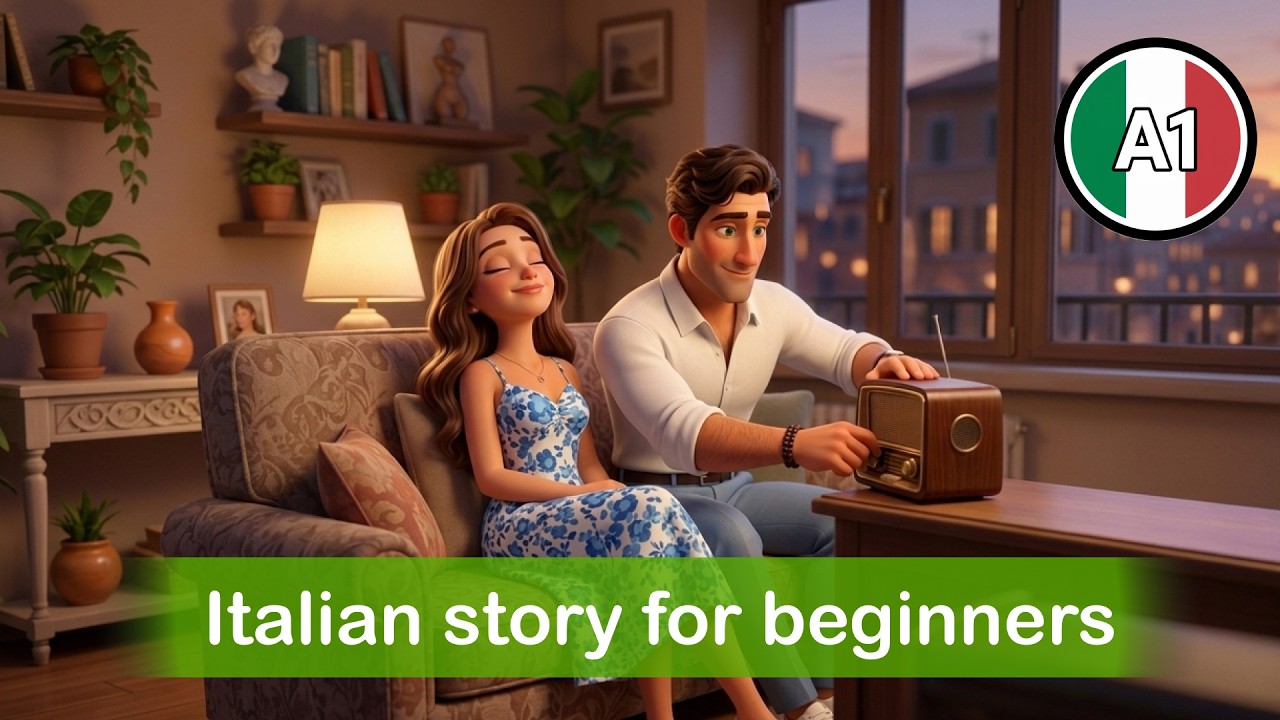
Matteo: Sto bene. Sono qui sul divano.
(Matteo: I’m fine. I’m here on the sofa.)
Giulia: Cosa fai sul divano? Leggi un libro?
(Giulia: What are you doing on the sofa? Reading a book?)
Matteo: No, non leggo un libro. Guardo il mio telefono. Leggo un articolo su internet.
(Matteo: No, I’m not reading a book. I’m looking at my phone. I’m reading an article on the internet.)
Giulia: Un articolo? Di cosa parla questo articolo?
(Giulia: An article? What is this article about?)
Matteo: Parla di noi. Parla degli italiani. E degli stereotipi sugli italiani.
(Matteo: It speaks about us. It speaks about Italians. And about stereotypes regarding Italians.)
Giulia: Oh, gli stereotipi sugli italiani! È un argomento molto interessante. Sono curiosa. Leggi l’articolo, per favore!
(Giulia: Oh, stereotypes about Italians! It’s a very interesting topic. I am curious. Read the article, please!)
Matteo: Va bene. Il primo stereotipo dice: “Gli italiani mangiano la pizza tutti i giorni.”
(Matteo: Alright. The first stereotype says: “Italians eat pizza every day.”)
Giulia: La pizza tutti i giorni? No, è impossibile!
(Giulia: Pizza every day? No, it’s impossible!)
Matteo: È vero, non mangiamo la pizza tutti i giorni. Io mangio la pizza solo il sabato sera.
(Matteo: It’s true, we don’t eat pizza every day. I eat pizza only on Saturday evenings.)
Giulia: Anche io. Mangio la pizza una volta a settimana. Ma la pasta…
(Giulia: Me too. I eat pizza once a week. But pasta…)
Matteo: Eh, la pasta è diversa. L’articolo dice: “Gli italiani mangiano la pasta sempre.”
(Matteo: Eh, pasta is different. The article says: “Italians eat pasta always.”)
Giulia: Questo stereotipo è vero! Io mangio la pasta a pranzo. Quasi tutti i giorni.
(Giulia: This stereotype is true! I eat pasta for lunch. Almost every day.)
Matteo: Anche io amo la pasta. La pasta è molto importante.
(Matteo: I love pasta too. Pasta is very important.)
Giulia: Certo. Qual è il secondo stereotipo?
(Giulia: Sure. What is the second stereotype?)
Matteo: Numero due. Questo è molto importante. L’articolo dice: “Gli italiani bevono il cappuccino dopo pranzo.”
(Matteo: Number two. This is very important. The article says: “Italians drink cappuccino after lunch.”)
Giulia: Cosa?! Il cappuccino dopo pranzo?! No, no, no! Questo è un grande errore.
(Giulia: What?! Cappuccino after lunch?! No, no, no! This is a big mistake.)
Matteo: Esatto! Un errore grandissimo. Noi non beviamo mai il cappuccino dopo pranzo.
(Matteo: Exactly! A huge mistake. We never drink cappuccino after lunch.)
Giulia: Mai! Il cappuccino è solo per la mattina. Per la colazione.
(Giulia: Never! Cappuccino is only for the morning. For breakfast.)
Matteo: A colazione, sì. Con un cornetto dolce. Dopo pranzo, beviamo solo il caffè espresso.
(Matteo: At breakfast, yes. With a sweet pastry. After lunch, we only drink espresso coffee.)
Giulia: Giusto. Il caffè espresso è perfetto dopo pranzo. Il cappuccino no.
(Giulia: Right. Espresso coffee is perfect after lunch. Cappuccino is not.)
Matteo: Numero tre. “Gli italiani parlano sempre con le mani. Usano molto le mani.”
(Matteo: Number three. “Italians always speak with their hands. They use their hands a lot.”)
Giulia: Ahah! Questo è assolutamente vero. Noi parliamo con le mani.
(Giulia: Haha! This is absolutely true. We speak with our hands.)
Matteo: È vero. Io parlo e muovo le mani adesso! È automatico.
(Matteo: It’s true. I am speaking and moving my hands right now! It’s automatic.)
Giulia: Le mani sono importanti per noi. Aiutano a spiegare le cose.
(Giulia: Hands are important to us. They help explain things.)
Matteo: Sì, gesticoliamo molto. È normale per noi.
(Matteo: Yes, we gesticulate a lot. It’s normal for us.)
Giulia: Qual è il prossimo stereotipo?
(Giulia: What is the next stereotype?)
Matteo: Numero quattro. L’articolo dice: “Tutti gli italiani suonano il mandolino e cantano a voce alta.”
(Matteo: Number four. The article says: “All Italians play the mandolin and sing loudly.”)
Giulia: Il mandolino? Io non ho un mandolino. Non so suonare il mandolino.
(Giulia: The mandolin? I don’t have a mandolin. I don’t know how to play the mandolin.)
Matteo: Neanche io. Io suono la chitarra, non il mandolino. E non canto per strada.
(Matteo: Me neither. I play the guitar, not the mandolin. And I don’t sing in the street.)
Giulia: Io canto solo sotto la doccia! Ma noi parliamo a voce alta?
(Giulia: I only sing in the shower! But do we speak loudly?)
Matteo: Mmm… l’articolo dice di sì. “Gli italiani parlano a voce alta.”
(Matteo: Mmm… the article says yes. “Italians speak loudly.”)
Giulia: Forse questo è vero. Quando siamo felici o quando siamo con la famiglia, parliamo a voce alta.
(Giulia: Maybe this is true. When we are happy or when we are with family, we speak loudly.)
Matteo: È vero. La domenica, a casa di Nonna Sofia, parliamo tutti a voce alta.
(Matteo: It’s true. On Sundays, at Grandma Sofia’s house, we all speak loudly.)
Giulia: Quindi, Matteo, quanti stereotipi sono veri?
(Giulia: So, Matteo, how many stereotypes are true?)
Matteo: Vediamo… La pasta è vero. Le mani è vero. Parlare a voce alta è vero.
(Matteo: Let’s see… Pasta is true. Hands are true. Speaking loudly is true.)
Giulia: Ma la pizza tutti i giorni è falso. Il cappuccino dopo pranzo è falso. Il mandolino è falso.
(Giulia: But pizza every day is false. Cappuccino after lunch is false. The mandolin is false.)
Matteo: Esatto. L’Italia è molto di più degli stereotipi.
(Matteo: Exactly. Italy is much more than stereotypes.)
Giulia: Hai ragione, Matteo. Ora però, parlando di cibo, ho molta fame.
(Giulia: You’re right, Matteo. But now, speaking of food, I’m very hungry.)
Matteo: Hai fame? Anche io. Vuoi mangiare un piatto di pasta?
(Matteo: Are you hungry? Me too. Do you want to eat a plate of pasta?)
Giulia: No, oggi è sabato! Oggi voglio una bella pizza!
(Giulia: No, today is Saturday! Today I want a nice pizza!)
Matteo: Perfetto! Andiamo in pizzeria. Come veri italiani!
(Matteo: Perfect! Let’s go to a pizzeria. Like true Italians!)
Giulia: Andiamo! E prendiamo anche un caffè espresso alla fine.
(Giulia: Let’s go! And we’ll also have an espresso coffee at the end.)
Matteo: Ma certo, mai un cappuccino la sera!
(Matteo: But of course, never a cappuccino in the evening!)
📝 Essential Vocabulary
| Target Language | English Translation | Pronunciation |
|---|---|---|
| lo stereotipo | the stereotype | |
| sempre | always | |
| mai | never | |
| tutti i giorni | every day | |
| il divano | the sofa | |
| il cornetto | the croissant / sweet pastry | |
| a voce alta | loudly | |
| vero | true | |
| falso | false |
🔍 Grammar Focus
Expressing Frequency
In Italian, you can easily describe how often you do something using specific adverbs of frequency. They are generally placed directly before or after the verb they modify, or at the end of the sentence for emphasis.
- Sempre (always): Gli italiani mangiano la pasta sempre. (Italians eat pasta always.)
- Mai (never): Noi non beviamo mai il cappuccino dopo pranzo. (We never drink cappuccino after lunch.) Notice the double negative structure!
- Tutti i giorni (every day): Gli italiani mangiano la pizza tutti i giorni. (Italians eat pizza every day.)
- Una volta a settimana (once a week): Mangio la pizza una volta a settimana. (I eat pizza once a week.)
Present Tense (-ARE and -ERE verbs)
The dialogue is full of regular present tense verbs. Notice how the endings change depending on the subject.
- Mangiare (to eat): Io mangio (I eat), Noi mangiamo (We eat)
- Parlare (to speak): Io parlo (I speak), Noi parliamo (We speak)
- Leggere (to read): Tu leggi (You read), Io leggo (I read)
🌍 Cultural Tip
🃏 Flip & Learn
always
sempre
never
mai
loudly
a voce alta
true
vero
false
falso
💡 Key Takeaways
- Italian Coffee Culture: Cappuccino is strictly a morning drink. After lunch or dinner, Italians switch to caffè espresso.
- Adverbs of Frequency: Use sempre (always), mai (never), and tutti i giorni (every day) to express how often you do something. Remember that mai usually pairs with non (e.g., non beviamo mai).
- Verbs in Action: Focus on common present tense conjugations like io mangio (I eat), noi parliamo (we speak), and tu leggi (you read).
- Stereotypes Reality Check: While Italians do love pasta and speaking with their hands, eating pizza every day or constantly playing the mandolin are definitely myths!
🎯 Practice Quiz
Question
Question
Question
✍️ Fill in the Blanks
Let’s test your spelling and memory! Fill in the missing words below. Use correct spelling.
Fill in the blank
Fill in the blank
Support Us
Did you find this lesson helpful? Your support is what makes it possible for us to keep creating free, high-quality educational content.