Deciding What to Eat in Italian: Dinner Dialogue & Food Vocabulary 🍝
Learn essential Italian vocabulary for food and dining with a slow, easy-to-follow dialogue. Practice expressing hunger, making suggestions, and agreeing on a meal.
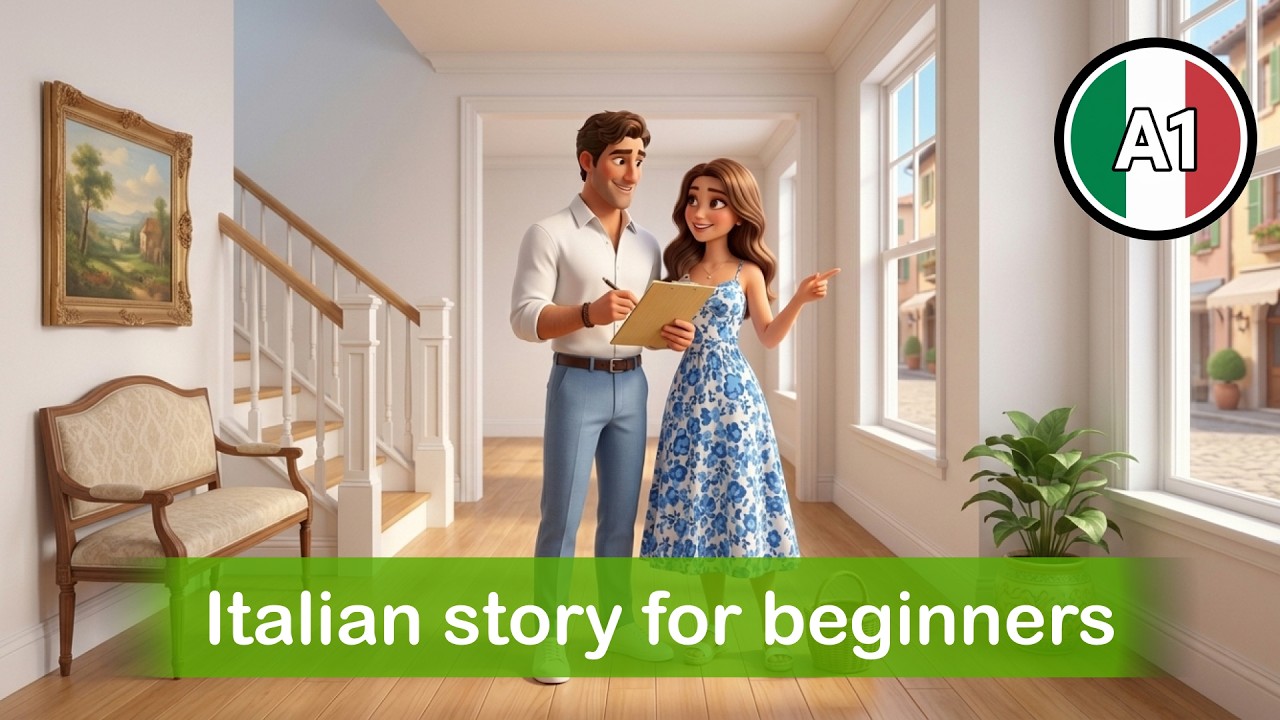
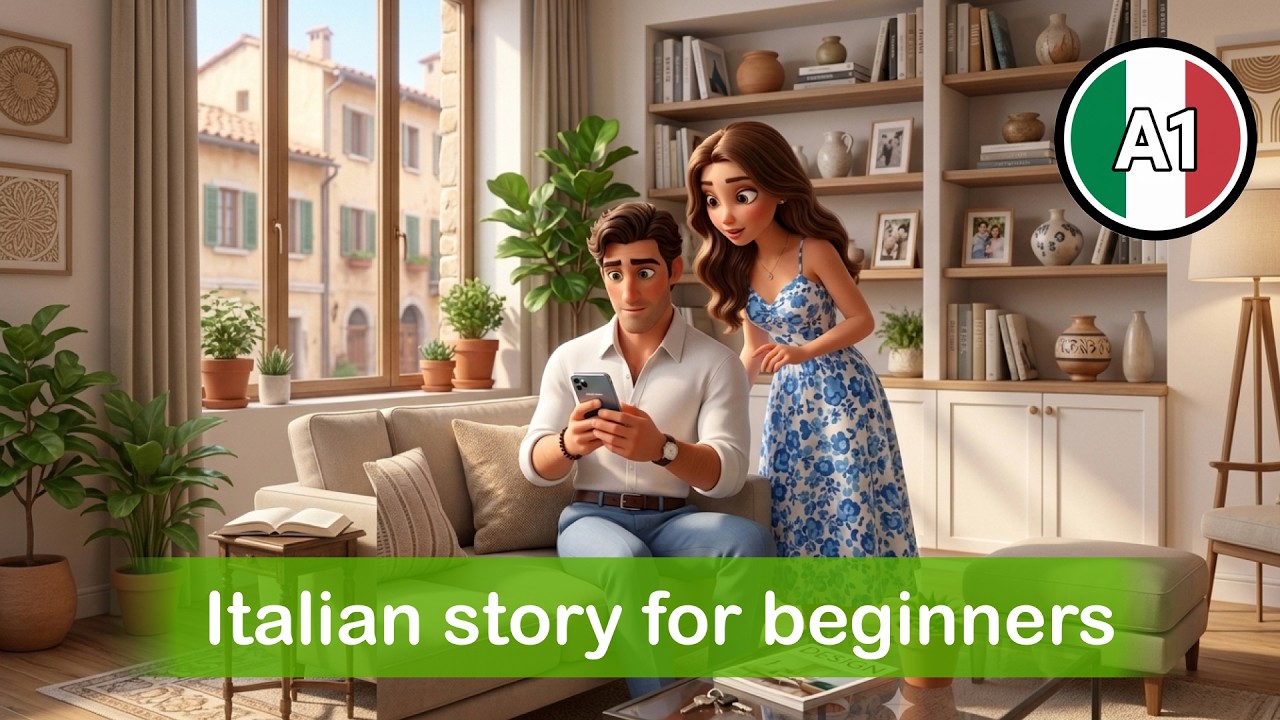
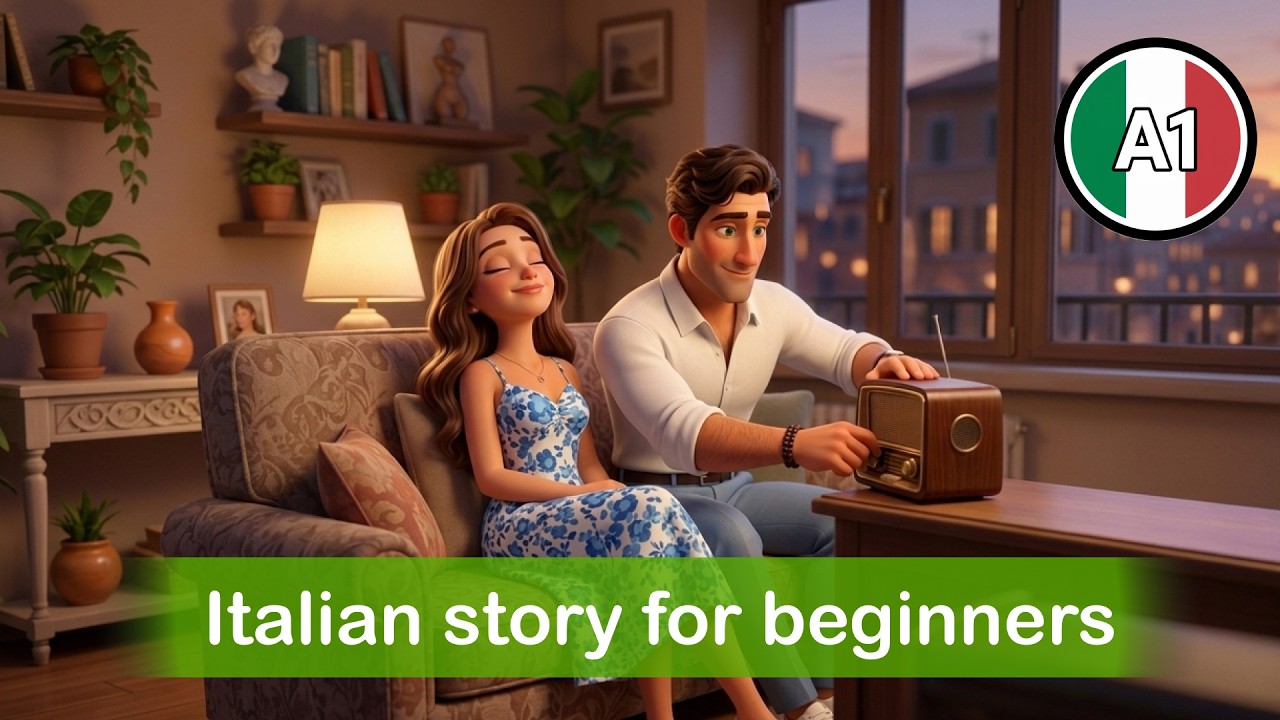
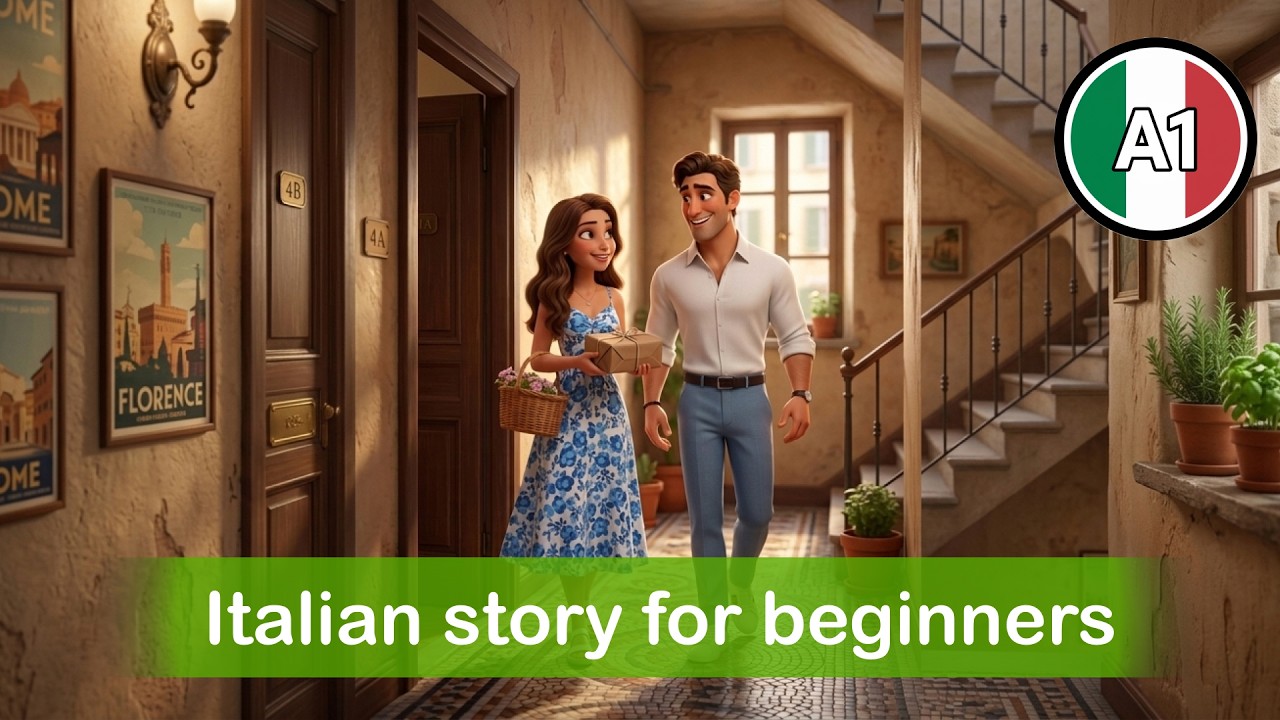
In this lesson, you’ll join Matteo and Giulia as they figure out what to make for dinner. This simple, slow-paced dialogue is perfect for beginners to practice listening to natural Italian conversation, learning essential food vocabulary, and understanding how to make and respond to suggestions.
💬 Video Transcript
Matteo: Ciao Giulia. Io ho fame.
(Matteo: Hi Giulia. I’m hungry.)
Giulia: Ciao Matteo. Anche io ho fame. Ho molta fame.
(Giulia: Hi Matteo. I’m hungry too. I’m very hungry.)
Matteo: Cosa mangiamo per cena stasera?
(Matteo: What are we eating for dinner tonight?)
Giulia: Non so. Tu cosa vuoi mangiare?
(Giulia: I don’t know. What do you want to eat?)
Matteo: Mmm… Io voglio la pizza. Sì, una pizza.
(Matteo: Mmm… I want pizza. Yes, a pizza.)
Giulia: La pizza? Sei sicuro?
(Giulia: Pizza? Are you sure?)
Matteo: Sì, sicuro. Una pizza margherita. È buona e semplice.
(Matteo: Yes, sure. A margherita pizza. It’s good and simple.)
Giulia: No, Matteo. Stasera non voglio mangiare la pizza.
(Giulia: No, Matteo. Tonight I don’t want to eat pizza.)
Matteo: Ah. Non vuoi la pizza. Va bene. Allora, cosa mangiamo?
(Matteo: Ah. You don’t want pizza. Okay. So, what are we eating?)
Giulia: Mmm, pensiamo. Forse… una insalata?
(Giulia: Mmm, let’s think. Maybe… a salad?)
Matteo: Una insalata?
(Matteo: A salad?)
Giulia: Sì, una grande insalata con pomodori e mais. È fresca e leggera.
(Giulia: Yes, a big salad with tomatoes and corn. It’s fresh and light.)
Matteo: No, Giulia. L’insalata è troppo leggera. Io ho molta, molta fame.
(Matteo: No, Giulia. Salad is too light. I’m very, very hungry.)
Giulia: Hai ragione. Anche io ho molta fame. L’insalata non è una buona idea.
(Giulia: You’re right. I’m very hungry too. Salad is not a good idea.)
Matteo: No, non è una buona idea per stasera.
(Matteo: No, it’s not a good idea for tonight.)
Giulia: Allora… niente pizza e niente insalata. È un problema.
(Giulia: So… no pizza and no salad. It’s a problem.)
Matteo: Aspetta! Ho un’idea! Un’idea perfetta.
(Matteo: Wait! I have an idea! A perfect idea.)
Giulia: Davvero? Quale idea?
(Giulia: Really? What idea?)
Matteo: Mangiamo la pasta! La pasta è sempre una buona idea.
(Matteo: Let’s eat pasta! Pasta is always a good idea.)
Giulia: La pasta! Sì! Che bella idea, Matteo! Mi piace molto la pasta.
(Giulia: Pasta! Yes! What a great idea, Matteo! I really like pasta.)
Matteo: Perfetto! Allora, che tipo di pasta facciamo?
(Matteo: Perfect! So, what type of pasta should we make?)
Giulia: Facciamo la pasta alla carbonara? È molto buona.
(Giulia: Should we make pasta carbonara? It’s very good.)
Matteo: La carbonara è buonissima, ma è un po’ difficile da preparare.
(Matteo: Carbonara is delicious, but it’s a bit difficult to prepare.)
Giulia: Sì, è vero. È un po’ complicata. Allora… un’altra idea. La pasta al pesto?
(Giulia: Yes, it’s true. It’s a bit complicated. So… another idea. Pasta with pesto?)
Matteo: Mmm, buona! Ma… abbiamo il pesto?
(Matteo: Mmm, good! But… do we have pesto?)
Giulia: Controllo subito… No, non abbiamo il pesto in casa.
(Giulia: I’ll check right now… No, we don’t have pesto at home.)
Matteo: Che peccato. Niente pesto. Allora? Io ho sempre più fame.
(Matteo: What a shame. No pesto. So? I’m getting hungrier.)
Giulia: Facciamo una cosa molto, molto semplice. La cosa più semplice.
(Giulia: Let’s make something very, very simple. The simplest thing.)
Matteo: Cosa? Sono curioso.
(Matteo: What? I’m curious.)
Giulia: La pasta al pomodoro! È semplice, veloce e deliziosa.
(Giulia: Pasta with tomato sauce! It’s simple, fast, and delicious.)
Matteo: Pasta al pomodoro! Perfetto! È un’idea fantastica, Giulia.
(Matteo: Pasta with tomato sauce! Perfect! It’s a fantastic idea, Giulia.)
Giulia: Bene! Allora, controlliamo gli ingredienti. Abbiamo la pasta?
(Giulia: Good! So, let’s check the ingredients. Do we have pasta?)
Matteo: Sì, certo. La pasta c’è sempre. Guarda, qui nel mobile.
(Matteo: Yes, of course. There’s always pasta. Look, here in the cupboard.)
Giulia: Ottimo. E i pomodori? Abbiamo i pomodori?
(Giulia: Excellent. And the tomatoes? Do we have tomatoes?)
Matteo: Sì, ho comprato i pomodori ieri al mercato. Sono freschi e rossi.
(Matteo: Yes, I bought the tomatoes yesterday at the market. They are fresh and red.)
Giulia: Meraviglioso. E per finire… abbiamo il basilico?
(Giulia: Wonderful. And to finish… do we have basil?)
Matteo: Certo! La nostra pianta di basilico è sul balcone. È verde e profumata.
(Matteo: Of course! Our basil plant is on the balcony. It’s green and fragrant.)
Giulia: Fantastico! Abbiamo tutto: pasta, pomodori e basilico.
(Giulia: Fantastic! We have everything: pasta, tomatoes, and basil.)
Matteo: Allora, cuciniamo insieme?
(Matteo: So, shall we cook together?)
Giulia: Sì! Cuciniamo insieme. Io preparo il sugo di pomodoro.
(Giulia: Yes! Let’s cook together. I’ll prepare the tomato sauce.)
Matteo: E io preparo l’acqua e cucino la pasta. Che fame!
(Matteo: And I’ll prepare the water and cook the pasta. I’m so hungry!)
Giulia: Sarà una cena perfetta.
(Giulia: It will be a perfect dinner.)
📝 Essential Vocabulary
Here are some of the key words and phrases you’ll hear in the dialogue. Listen and repeat to practice your pronunciation!
| Target Language | English Translation | Pronunciation |
|---|---|---|
| Ho fame | I’m hungry | |
| Per cena | For dinner | |
| Cosa mangiamo? | What are we eating? | |
| Un’idea | An idea | |
| Ingredienti | Ingredients | |
| Che peccato | What a shame / That’s a pity | |
| Semplice | Simple | |
| Cuciniamo insieme | Let’s cook together |
🔍 Grammar Focus
Let’s look at two key grammar points from the dialogue.
Using Avere to Express Feelings
In English, we use the verb “to be” to say “I am hungry.” However, in Italian, you use the verb avere (to have). This is a common pattern for many physical states and feelings.
Notice how Matteo and Giulia express their hunger:
- Matteo: Io ho fame. (I have hunger.)
- Giulia: Anche io ho fame. Ho molta fame. (I also have hunger. I have a lot of hunger.)
This same structure applies to other feelings like being thirsty (ho sete), sleepy (ho sonno), or cold (ho freddo).
Italian Indefinite Articles: Un, Una, Un'
The indefinite article in English is “a” or “an.” In Italian, it changes based on the gender of the noun that follows it. In the dialogue, we see several examples:
unais used before feminine nouns that start with a consonant.- Sì, una pizza. (pizza is a feminine noun)
- Forse… una insalata? (insalata is a feminine noun)
un'(with an apostrophe) is used before feminine nouns that start with a vowel. The apostrophe shows that the “a” fromunahas been dropped to make pronunciation smoother.- *Ho **un’**idea! **Un’*idea perfetta. (idea is a feminine noun starting with a vowel)
Although we don’t see it in this dialogue, the masculine form is un (e.g., un libro - a book).
🌍 Cultural Tip
🃏 Flip & Learn
Use these flashcards to test your memory of key phrases from the video.
What are we eating for dinner tonight?
Cosa mangiamo per cena stasera?
I'm very, very hungry.
Io ho molta, molta fame.
Pasta is always a good idea.
La pasta è sempre una buona idea.
What a shame.
Che peccato.
Let's cook together.
Cuciniamo insieme.
💡 Key Takeaways
Here are the most important points to remember from this lesson:
- Expressing Hunger: To say you’re hungry in Italian, use the verb
avere(to have):Ho fame. To say you’re very hungry, addmolta:Ho molta fame. - Making Suggestions: You can suggest an activity using the
-iamoverb form, likeMangiamo la pasta!(Let’s eat pasta!) orFacciamo la pasta al pesto?(Should we make pasta with pesto?). - Agreeing and Disagreeing: Simple phrases are very effective. To agree, you can say
Sì, sicuro(Yes, sure),Hai ragione(You’re right), orPerfetto!(Perfect!). To disagree politely, you can sayNo, non voglio...(No, I don’t want to…). - Essential Food Vocabulary: This dialogue introduced core food words like
la pizza,l'insalata,la pasta,i pomodori(tomatoes), andil basilico(basil).
🎯 Practice Quiz
Check your understanding of the dialogue with this short quiz.
Question
Question
Question
✍️ Fill in the Blanks
Let’s test your spelling and memory! Fill in the missing words below. Use correct spelling.
Fill in the blank
Fill in the blank
Support Us
Did you find this lesson helpful? Your support is what makes it possible for us to keep creating free, high-quality educational content.