Making Plans in Italian: Park Dialogue & Walking Vocabulary 🌳
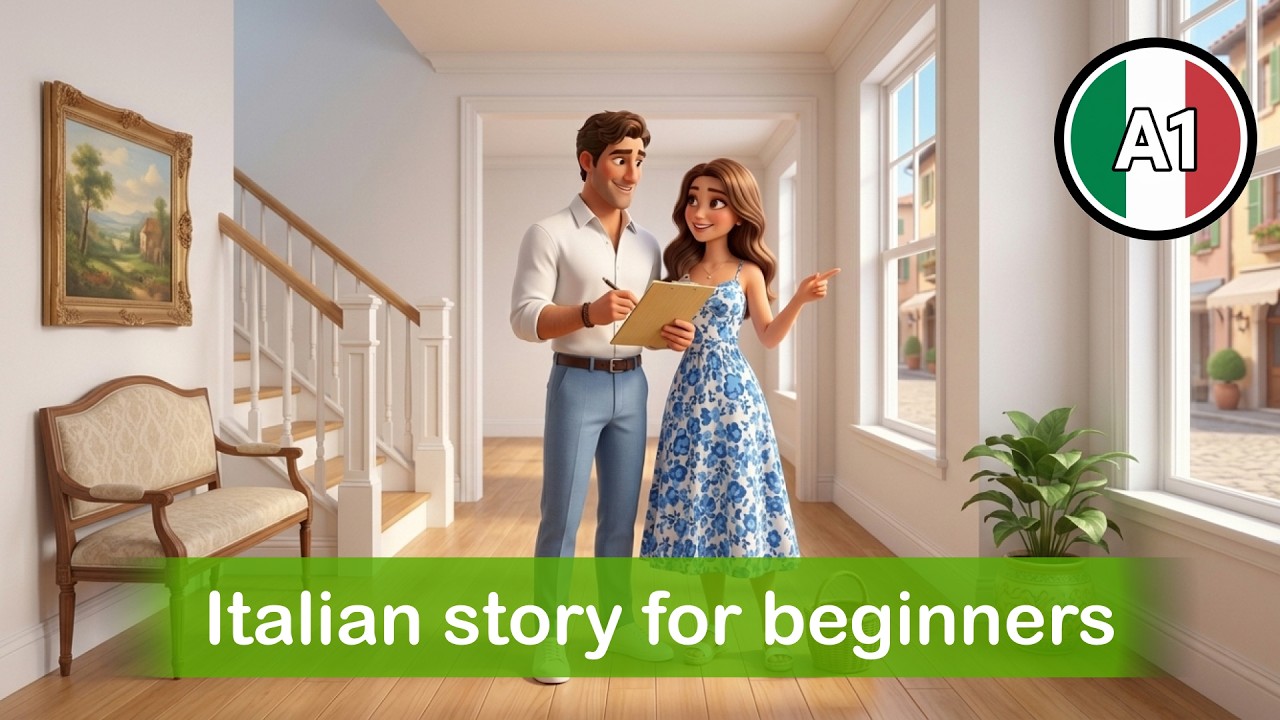
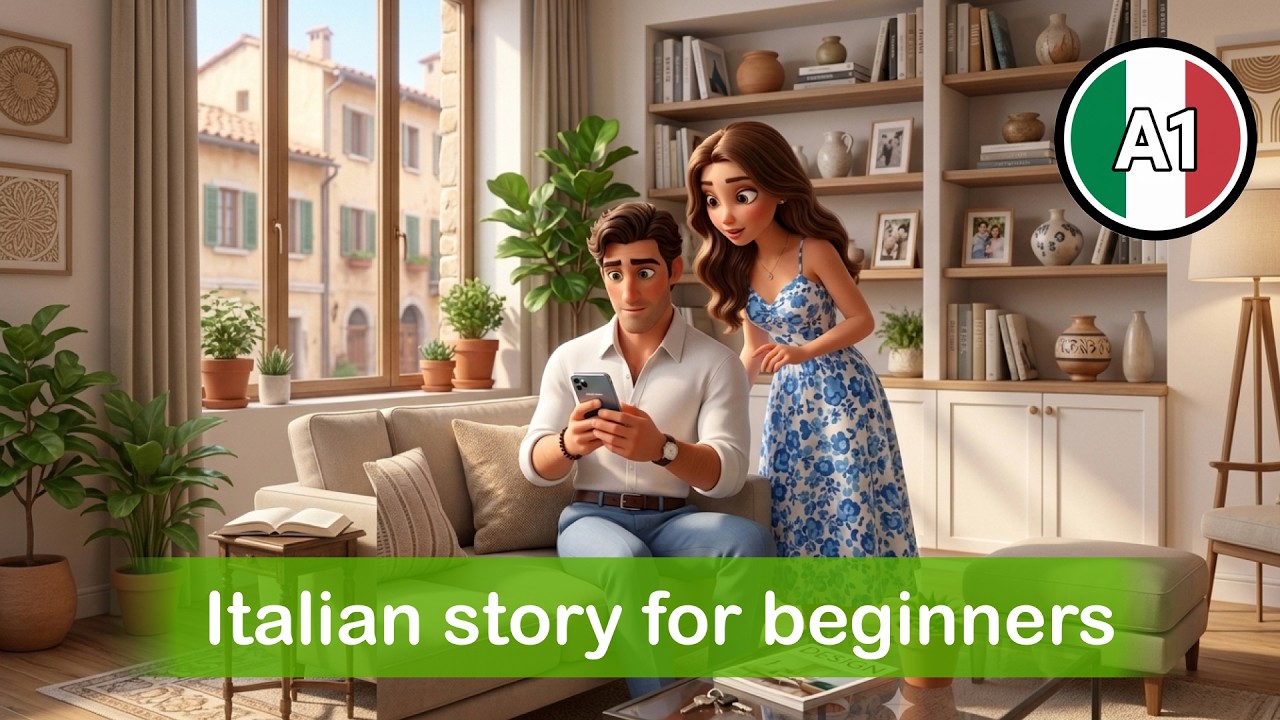
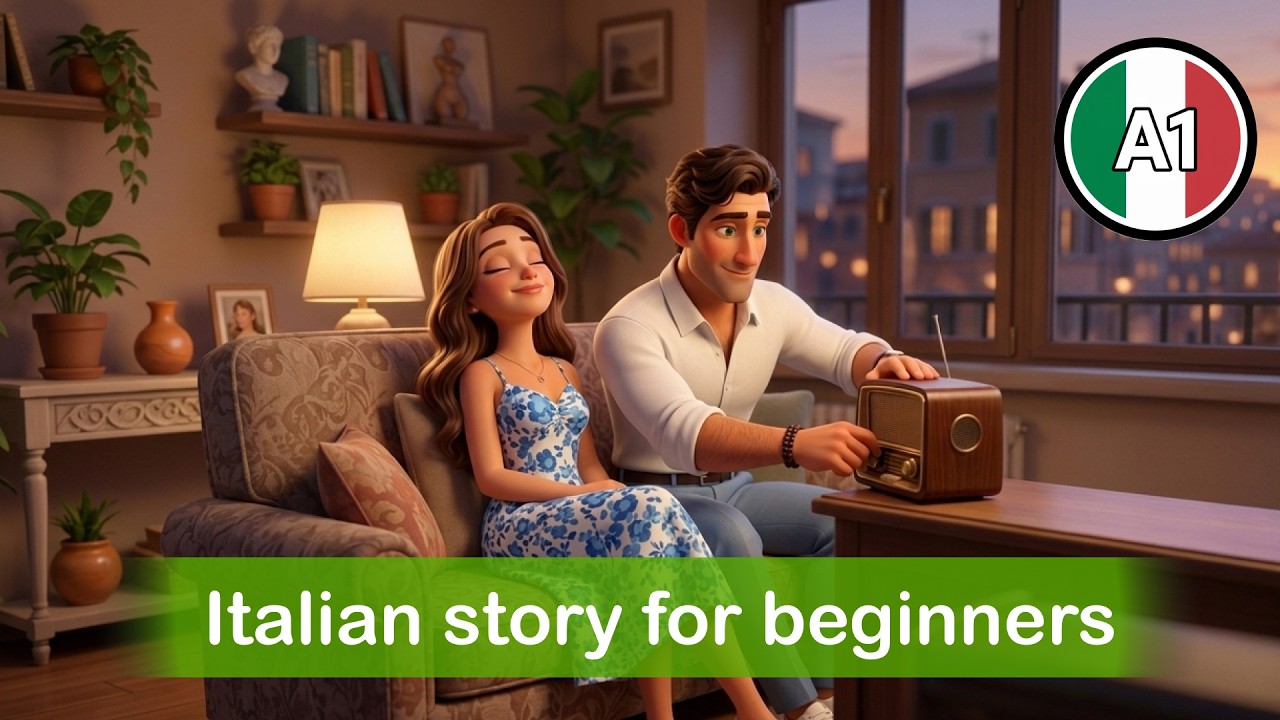
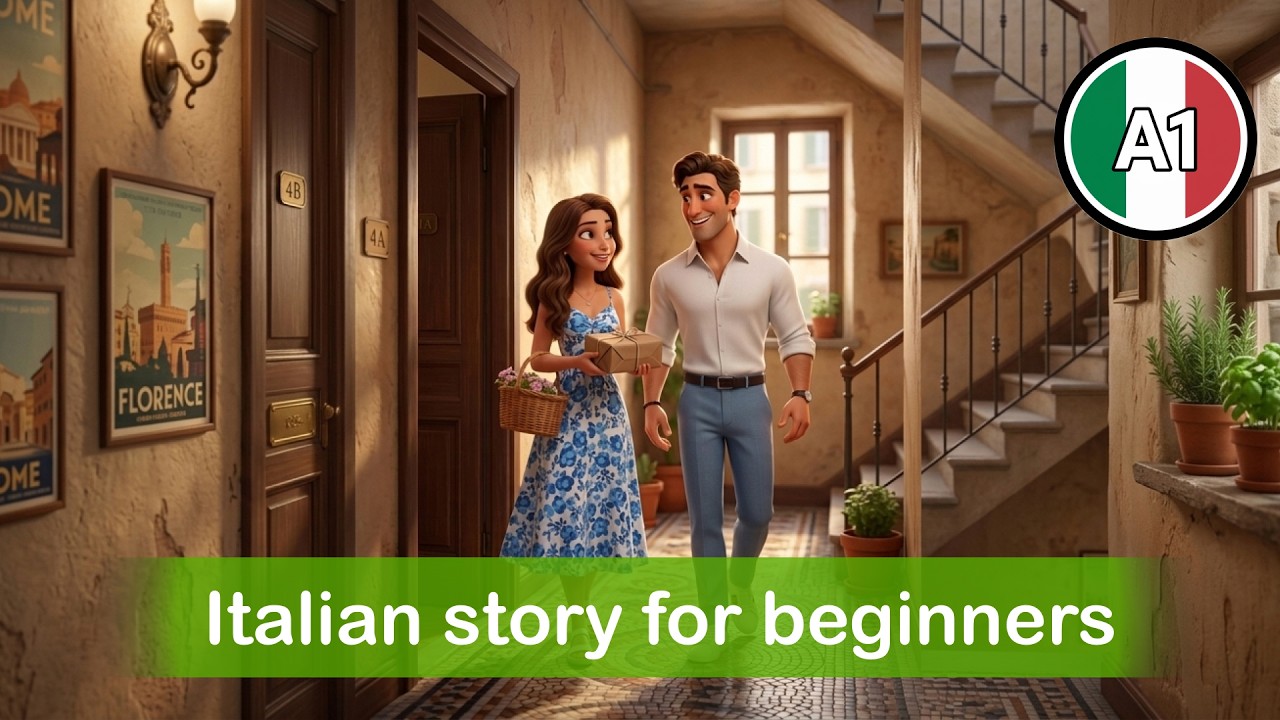
Learn how to make plans in Italian with this slow and easy conversation. Follow along as Matteo and Giulia decide to take a walk in the beautiful Villa Borghese park.
Ready to learn how to make plans with a friend in Italian? In this lesson, you’ll listen to a simple, slow conversation between Matteo and Giulia as they decide what to do on a beautiful sunny day. You’ll pick up essential vocabulary for suggesting activities, agreeing on a place, and getting ready to go.
💬 Video Transcript
Matteo: Ciao Giulia! Come stai?
(Matteo: Hi Giulia! How are you?)
Giulia: Ciao Matteo! Sto bene, grazie. E tu? Come stai?
(Giulia: Hi Matteo! I’m well, thanks. And you? How are you?)
Matteo: Sto molto bene, grazie! È una bella giornata.
(Matteo: I’m very well, thanks! It’s a beautiful day.)
Giulia: Sì, è vero. C’è il sole. È una giornata perfetta.
(Giulia: Yes, it’s true. It’s sunny. It’s a perfect day.)
Matteo: Senti, Giulia… cosa facciamo oggi?
(Matteo: Listen, Giulia… what are we doing today?)
Giulia: Non so. Tu hai un’idea?
(Giulia: I don’t know. Do you have an idea?)
Matteo: Mmm… possiamo fare una passeggiata.
(Matteo: Hmm… we can take a walk.)
Giulia: Una passeggiata? Sì! Che bella idea! Mi piace molto.
(Giulia: A walk? Yes! What a great idea! I like it a lot.)
Matteo: Bene! Sono contento. Allora, dove andiamo?
(Matteo: Good! I’m happy. So, where are we going?)
Giulia: Andiamo in un posto bello. Un parco, forse?
(Giulia: Let’s go to a beautiful place. A park, maybe?)
Matteo: Sì, un parco è una idea fantastica. Quale parco?
(Matteo: Yes, a park is a fantastic idea. Which park?)
Giulia: Conosco un parco molto, molto bello. Andiamo a Villa Borghese?
(Giulia: I know a very, very beautiful park. Shall we go to Villa Borghese?)
Matteo: Villa Borghese! Certo! È una idea perfetta! Adoro Villa Borghese.
(Matteo: Villa Borghese! Of course! It’s a perfect idea! I love Villa Borghese.)
Giulia: Anche io! È un parco grande e verde.
(Giulia: Me too! It’s a big, green park.)
Matteo: Sì, è molto grande. Ci sono tanti alberi e tanti fiori.
(Matteo: Yes, it’s very big. There are many trees and many flowers.)
Giulia: E c’è un piccolo lago. È molto carino.
(Giulia: And there’s a small lake. It’s very cute.)
Matteo: Sì, il lago è bellissimo. Allora è deciso!
(Matteo: Yes, the lake is beautiful. So it’s decided!)
Giulia: Deciso! Oggi facciamo una passeggiata a Villa Borghese.
(Giulia: Decided! Today we are taking a walk in Villa Borghese.)
Matteo: Ottimo. Come andiamo? Andiamo a piedi?
(Matteo: Excellent. How are we going? Are we going on foot?)
Giulia: Sì, andiamo a piedi. È vicino, non è lontano.
(Giulia: Yes, let’s go on foot. It’s close, it’s not far.)
Matteo: Perfetto. Mi piace camminare con te.
(Matteo: Perfect. I like walking with you.)
Giulia: Anche a me piace camminare con te. Sei pronto?
(Giulia: I like walking with you too. Are you ready?)
Matteo: Sì, sono prontissimo! Andiamo adesso?
(Matteo: Yes, I’m very ready! Shall we go now?)
Giulia: Sì, andiamo subito! Sarà una bellissima passeggiata.
(Giulia: Yes, let’s go right away! It will be a beautiful walk.)
Matteo: Sono d’accordo. Andiamo, Giulia!
(Matteo: I agree. Let’s go, Giulia!)
Giulia: Andiamo, Matteo!
(Giulia: Let’s go, Matteo!)
📝 Essential Vocabulary
Here are some key phrases from the conversation that are perfect for making plans in Italian. Listen to the pronunciation to build your confidence.
| Target Language | English Translation | Pronunciation |
|---|---|---|
| una bella giornata | a beautiful day | |
| fare una passeggiata | to take a walk | |
| Che bella idea! | What a great idea! | |
| Dove andiamo? | Where are we going? | |
| un parco | a park | |
| È deciso! | It’s decided! | |
| andiamo a piedi | we go on foot | |
| Sei pronto? | Are you ready? |
🔍 Grammar Focus
Let’s look at a very common and useful verb pattern you heard throughout the conversation for talking about what “we” do.
Making Plans with “Noi” (We)
When you make plans with someone, you often talk about what “we” will do. In Italian, the “we” form of a verb (the noi form) is very consistent. For regular verbs, you’ll see a common ending: -iamo.
Notice how Matteo and Giulia use this form to ask questions and make suggestions:
- Cosa facciamo oggi? (What are we doing today?)
- Possiamo fare una passeggiata. (We can take a walk.)
- Dove andiamo? (Where are we going?)
- Andiamo a Villa Borghese? (Shall we go to Villa Borghese?)
- Come andiamo? (How are we going?)
- Andiamo a piedi. (We are going on foot.)
Whether the verb ends in -are (like andare -> and**iamo**) or -ere (like fare is irregular but follows a similar pattern -> facc**iamo**), this -iamo ending is your signal that the action is being done by “we.” It’s a super useful pattern for beginners!
🌍 Cultural Tip
🃏 Flip & Learn
Use these flashcards to test yourself on the key phrases from the conversation.
Let's take a walk.
Facciamo una passeggiata.
What a great idea!
Che bella idea!
Where are we going?
Dove andiamo?
It's decided!
È deciso!
Are you ready?
Sei pronto?
💡 Key Takeaways
Here are the most important points to remember from this lesson for making your own plans in Italian:
- Suggest an activity: Use
Possiamo...+ verb (e.g.,Possiamo fare una passeggiata- We can take a walk). - Ask for ideas: Start questions with common words like
Cosa(What?),Dove(Where?), andCome(How?). For example:Cosa facciamo oggi? - Agree enthusiastically: Show you like an idea with phrases like
Che bella idea!,Perfetto!, orOttimo!. - Use the “we” form: Remember the
-iamoverb ending to talk about what you and your friend will do together (e.g.,andiamo,facciamo).
🎯 Practice Quiz
Check your understanding with a few questions based on the dialogue.
Question
Question
✍️ Fill in the Blanks
Let’s test your spelling and memory! Fill in the missing words below. Use correct spelling.
Fill in the blank
Fill in the blank
Support Us
Did you find this lesson helpful? Your support is what makes it possible for us to keep creating free, high-quality educational content.