Talking About Family Professions in Chinese: Essential Jobs & Dialogue 👨👩👧👦
Learn how to talk about family members and their jobs in Mandarin Chinese. This lesson covers key vocabulary for professions like 'doctor' (医生) and 'teacher' (老师) through a fun dialogue.
In this Mandarin Chinese lesson, you’ll join two students, Wang Wei and Li Na, as they get to know each other. Listen to their conversation and discover a surprising coincidence about their parents’ jobs! You’ll learn essential vocabulary for family members and common professions, and master how to ask and answer questions about what people do for work.
💬 Video Transcript
王伟: 你好,李娜!
(Wang Wei: Hello, Li Na!)
李娜: 你好,王伟!你今天好吗?
(Li Na: Hello, Wang Wei! How are you today?)
王伟: 我很好,谢谢。你呢?
(Wang Wei: I’m very well, thank you. And you?)
李娜: 我也很好。王伟,你是学生,对吗?
(Li Na: I’m also very well. Wang Wei, you’re a student, right?)
王伟: 对,我是学生。我在大学学习。
(Wang Wei: Yes, I’m a student. I study at the university.)
李娜: 我也是学生。我也在大学学习。
(Li Na: I’m also a student. I also study at the university.)
王伟: 很高兴我们都是学生。李娜,你的爸爸是做什么工作的?
(Wang Wei: I’m glad we are both students. Li Na, what does your dad do for work?)
李娜: 我的爸爸是医生。他在医院工作。
(Li Na: My dad is a doctor. He works at a hospital.)
王伟: 哦,你的爸爸是医生。他很忙吗?
(Wang Wei: Oh, your dad is a doctor. Is he very busy?)
李娜: 是的,他很忙。我的妈妈是老师。
(Li Na: Yes, he’s very busy. My mom is a teacher.)
王伟: 你的妈妈是老师?她在学校工作吗?
(Wang Wei: Your mom is a teacher? Does she work at a school?)
李娜: 对。我的妈妈在学校工作。她很喜欢她的工作。
(Li Na: Yes. My mom works at a school. She likes her job very much.)
王伟: 医生和老师都是很好的工作。
(Wang Wei: Doctor and teacher are both very good jobs.)
李娜: 是的。王伟,你的爸爸呢?他做什么工作?
(Li Na: Yes. Wang Wei, what about your dad? What does he do for work?)
王伟: 我的爸爸也是医生。
(Wang Wei: My dad is also a doctor.)
李娜: 真的吗?你的爸爸也是医生!太好了!
(Li Na: Really? Your dad is also a doctor! That’s great!)
王伟: 是的。我的爸爸和你的爸爸都是医生。
(Wang Wei: Yes. My dad and your dad are both doctors.)
李娜: 那你的妈妈呢?你的妈妈做什么工作?
(Li Na: Then what about your mom? What does your mom do for work?)
王伟: 我的妈妈也是老师。
(Wang Wei: My mom is also a teacher.)
李娜: 你的妈妈也是老师!我们的妈妈都是老师!
(Li Na: Your mom is also a teacher! Our moms are both teachers!)
王伟: 对!我的妈妈和你的妈妈都是老师。
(Wang Wei: Yes! My mom and your mom are both teachers.)
李娜: 这很有意思。我们是学生。我们的爸爸是医生。我们的妈妈是老师。
(Li Na: This is very interesting. We are students. Our dads are doctors. Our moms are teachers.)
王伟: 是的。你喜欢做学生吗?
(Wang Wei: Yes. Do you like being a student?)
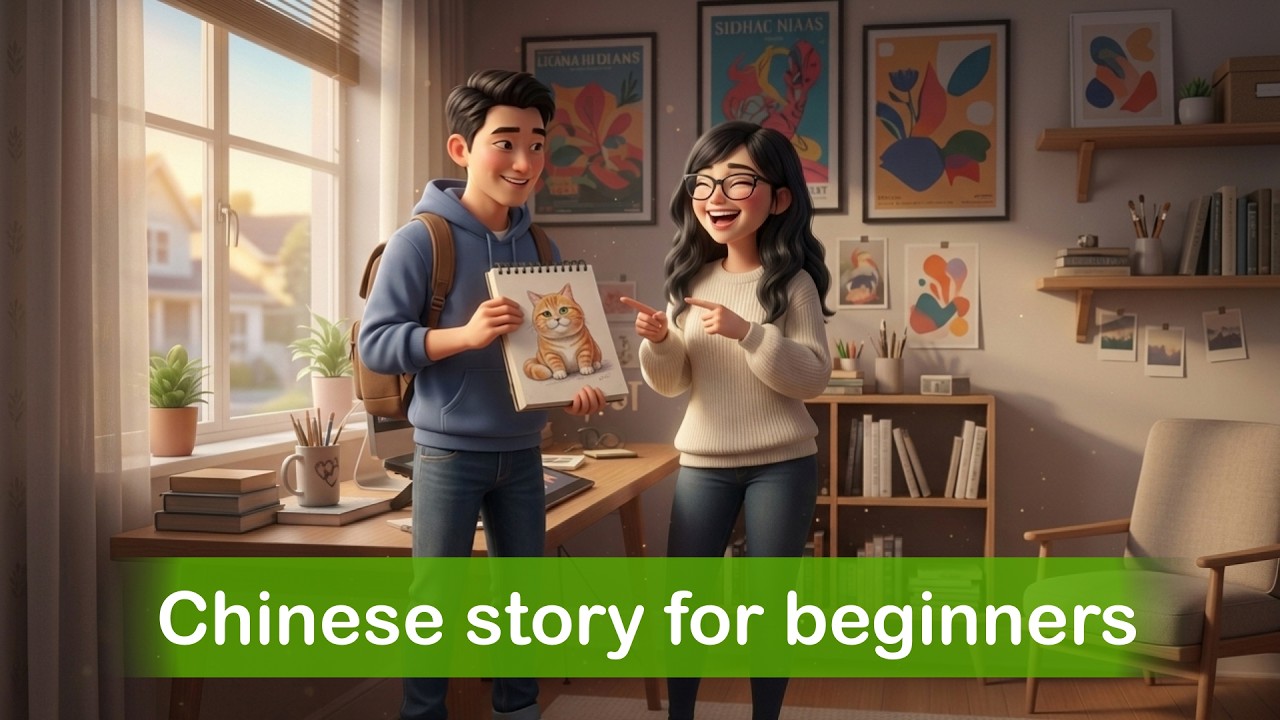
李娜: 我喜欢。我喜欢学习。我喜欢画画。我的专业是设计。
(Li Na: I like it. I like to study. I like to draw. My major is design.)
王伟: 我知道。你喜欢设计。你画的画很好看。
(Wang Wei: I know. You like design. The pictures you draw are very beautiful.)
李娜: 谢谢你。你呢?你喜欢你的学习吗?
(Li Na: Thank you. And you? Do you like your studies?)
王伟: 我很喜欢。我的专业是中文。
(Wang Wei: I like it very much. My major is Chinese.)
李娜: 中文!所以你想做中文老师吗?
(Li Na: Chinese! So you want to be a Chinese teacher?)
王伟: 是的。我以后想做中文老师。我觉得中文老师是很好的工作。
(Wang Wei: Yes. I want to be a Chinese teacher in the future. I think being a Chinese teacher is a very good job.)
李娜: 我也觉得。做中文老师很好。
(Li Na: I think so too. Being a Chinese teacher is very good.)
王伟: 我们现在是学生,以后我们都有很好的工作。
(Wang Wei: We are students now, and in the future we will all have good jobs.)
李娜: 是的!好了,我们去学校吧。
(Li Na: Yes! Okay, let’s go to school.)
王伟: 好的,我们走吧。再见,李娜。
(Wang Wei: Okay, let’s go. Goodbye, Li Na.)
李娜: 再见,王伟。
(Li Na: Goodbye, Wang Wei.)
📝 Essential Vocabulary
Here are some of the key words and phrases you’ll hear in the video. Practice listening and repeating them to improve your pronunciation.
| Target Language | English Translation | Pronunciation |
|---|---|---|
| 学生 (xuéshēng) | Student | |
| 爸爸 (bàba) | Dad / Father | |
| 妈妈 (māmā) | Mom / Mother | |
| 工作 (gōngzuò) | Job / Work | |
| 医生 (yīshēng) | Doctor | |
| 老师 (lǎoshī) | Teacher | |
| 医院 (yīyuàn) | Hospital | |
| 学校 (xuéxiào) | School | |
| 也 (yě) | Also / Too |
🔍 Grammar Focus
Let’s break down two key patterns from the dialogue.
1. Using 也 (yě) for “also” or “too”
The adverb 也 (yě) is essential for showing agreement or similarity. It is placed directly before the verb to indicate that the subject also performs the same action or shares the same quality.
Notice how Li Na and Wang Wei use it to show they have things in common:
- 李娜: 我也很好。 (Wǒ yě hěn hǎo.) - I am also very well.
- 李娜: 我也是学生。 (Wǒ yěshì xuéshēng.) - I am also a student.
- 王伟: 我的爸爸也是医生。 (Wǒ de bàba yěshì yīshēng.) - My dad is also a doctor.
- 王伟: 我的妈妈也是老师。 (Wǒ de māmā yěshì lǎoshī.) - My mom is also a teacher.
2. Asking About Professions: 做什么工作 (zuò shénme gōngzuò)
The most common way to ask what someone does for a living is using the phrase “做什么工作?” (zuò shénme gōngzuò?), which literally means “do what job?”.
You can see this pattern used twice in the conversation:
- 王伟: 你的爸爸是做什么工作的? (Nǐ de bàba shì zuò shénme gōngzuò de?) - What does your dad do for work? (The 是…的 construction is used here for emphasis, but the core question is the same).
- 李娜: 他做什么工作? (Tā zuò shénme gōngzuò?) - What job does he do?
To answer, you simply state the person and their profession using the structure: [Subject] + 是 + [Profession].
- 李娜: 我的爸爸是医生。 (Wǒ de bàba shì yīshēng.) - My dad is a doctor.
🌍 Cultural Tip
🃏 Flip & Learn
Use these flashcards to test your knowledge of the new vocabulary from the lesson.
Student
学生 (xuéshēng)
Doctor
医生 (yīshēng)
Teacher
老师 (lǎoshī)
My dad is also a doctor.
我的爸爸也是医生。
What does your mom do for work?
你的妈妈做什么工作?
💡 Key Takeaways
Here are the most important points to remember from this lesson:
- Asking about professions: The key phrase is 做什么工作? (zuò shénme gōngzuò?).
- Stating professions: Use the simple structure [Subject] + 是 + [Profession], for example, 我妈妈是老师 (Wǒ māmā shì lǎoshī).
- Using 也 (yě): Place it before the verb to express “also” or “too,” as in 我也是学生 (Wǒ yěshì xuéshēng).
- Key Vocabulary: You’ve learned essential words for family (爸爸, 妈妈) and jobs (医生, 老师, 学生).
🎯 Practice Quiz
Ready to test your understanding? Try these questions based on the dialogue.
Question
Question
Question
✍️ Fill in the Blanks
Let’s test your spelling and memory! Fill in the missing words below. Use correct spelling.
Fill in the blank
Fill in the blank
Support Us
Did you find this lesson helpful? Your support is what makes it possible for us to keep creating free, high-quality educational content.